- kesyaipl2@gmail.com
- Rajdhani Park, Mubarkpur, Delhi, 110041, India
Blogs

Achieve Slipper Profits with long term returns
Price: ₹31800
Achieving Healthy Profit Margins in Slipper Production
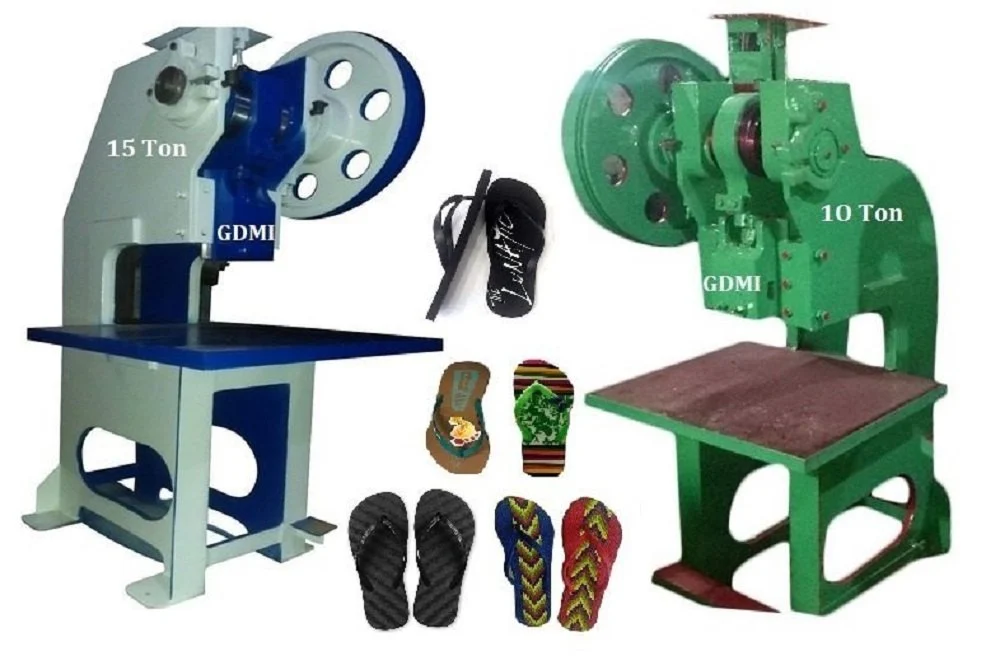
The slipper making machine has become an essential piece of equipment in the rapidly growing footwear manufacturing industry across India.
Key Aspects and Features
Slipper making machines are designed to handle the complete manufacturing process from raw material mixing to finished slipper output with precision and efficiency. These machines use advanced hydraulic and pneumatic systems to ensure consistent quality across every pair produced. The production process includes material mixing, sole molding, strap attachment, finishing, and quality inspection, all working in perfect synchronization to deliver finished slippers ready for packaging and distribution.
The Indian slipper market is valued at several thousand crores and continues to grow at a steady pace every year. This growth is driven by increasing population, rising disposable incomes, expanding retail networks, and growing export demand from countries across Asia, Africa, and the Middle East. Manufacturers who invest in modern slipper making machines are well positioned to capture a significant share of this expanding market, especially with competitive pricing and consistent quality.
Business and Market Overview
Modern slipper making machines come equipped with advanced controls and precision engineering that allow operators to easily adjust production parameters such as sole size, thickness, material composition, and production speed. This level of automation reduces the dependency on skilled labor while significantly increasing production output and consistency. The robust construction ensures reliable operation even under continuous heavy duty usage in demanding manufacturing environments.
The wholesale distribution channel is the primary sales channel for slipper manufacturers in India. Building relationships with wholesale distributors across different regions helps ensure wide market coverage and consistent sales volume. Many manufacturers offer attractive trade terms and promotional support to encourage distributors to prioritize their products over competing brands.
Production and Operations
The supply chain for slipper manufacturing involves coordinating with PVC granule suppliers, EVA foam manufacturers, rubber compound providers, strap material suppliers, and packaging material partners. Building strong relationships with reliable suppliers ensures consistent access to quality materials at competitive prices. Effective supply chain management contributes directly to production efficiency, product quality, and cost competitiveness in the market.
Conclusion
The future of slipper manufacturing in India looks promising with continued population growth, rising disposable incomes, expanding retail and e commerce channels, and growing export demand. Manufacturers who invest in quality production capabilities today will be well positioned to benefit from these long term market trends.
Buy Now
slipper strap making machine
slipper making machine
slipper manufacturing process
slipper business profit
slipper manufacturing startup
slipper manufacturing machine
slipper machine maintenance
slipper production line
slipper making machine manufacturer
chappal making machine
slipper production
how to start slipper business
slipper business