- kesyaipl2@gmail.com
- Rajdhani Park, Mubarkpur, Delhi, 110041, India
Blogs

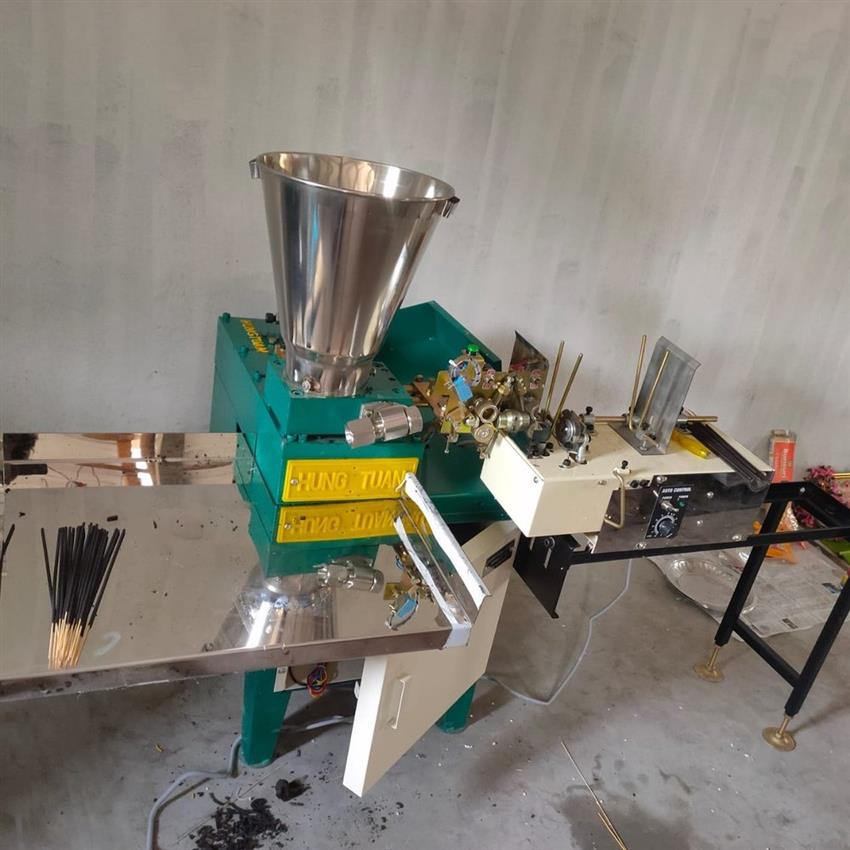
Agarbatti Making Machine - Semi-Automatic Machines
Price: ₹38427
Semi-Automatic vs Manual Agarbatti Machines
The agarbatti making machine has become an essential piece of equipment in the rapidly growing incense manufacturing industry across India.
Key Aspects and Features
The agarbatti making machine market in India is served by numerous manufacturers offering machines at various price points and capabilities. When selecting a machine, buyers should consider factors such as production capacity, build quality, after sales support, spare parts availability, and total cost of ownership. It is advisable to visit manufacturer facilities, request demonstrations, and speak with existing customers before making a purchase decision.
Packaging plays a significant role in the agarbatti manufacturing process, affecting both product protection and market appeal. Proper packaging prevents fragrance loss during storage and transportation while also serving as a marketing tool. Many manufacturers invest in attractive packaging designs that highlight fragrance profiles and brand identity. The cost of packaging should be factored into the overall production cost analysis.
Business and Market Overview
The supply chain for agarbatti manufacturing involves coordinating with bamboo suppliers, fragrance oil manufacturers, powder material providers, and packaging material partners. Building strong relationships with reliable suppliers ensures consistent access to quality materials at competitive prices. Effective supply chain management contributes directly to production efficiency, product quality, and cost competitiveness.
Different types of agarbatti serve different purposes in the market. Common varieties include dhoop sticks, sambrani sticks, loban sticks, and flavored sticks for specific religious ceremonies. Each type has specific dimensions, coating requirements, and fragrance profiles. Understanding the market demand for different varieties helps manufacturers optimize their production mix.
Production and Operations
The raw materials required for agarbatti manufacturing primarily include bamboo sticks, charcoal powder, joss powder, sawdust, and fragrance oils. Bamboo sticks typically constitute a significant portion of the production cost. Sourcing quality bamboo and fragrance materials from reliable suppliers at competitive prices is crucial for maintaining healthy profit margins. Many successful manufacturers establish long term relationships with multiple suppliers to ensure steady supply and better pricing.
Conclusion
The agarbatti manufacturing industry continues to offer attractive opportunities for both new entrants and existing manufacturers. By focusing on quality, fragrance innovation, efficiency, and customer satisfaction, manufacturers can build thriving businesses that contribute to India rich cultural and spiritual traditions.
Buy Now
agarbatti machine India
agarbatti manufacturing machine
agarbatti machine
agarbatti machine features
agarbatti production
automatic agarbatti machine
masala agarbatti machine
agarbatti stick making machine
agarbatti manufacturing
agarbatti making business
agarbatti manufacturing startup
incense making machine
agarbatti machine price
agarbatti making machine