- kesyaipl2@gmail.com
- Rajdhani Park, Mubarkpur, Delhi, 110041, India
Blogs

Agarbatti Manufacturing quality output - Expert Guide
Price: ₹20530
Understanding Profit Margins in Agarbatti Production
Agarbatti manufacturing represents one of the most promising business opportunities in the Indian incense and puja supplies market today.
Key Aspects and Features
Building a strong team is crucial for the success of any agarbatti manufacturing operation. From skilled machine operators to quality control personnel and sales staff, each team member contributes to the overall performance of the business. Investing in employee development, creating a positive work environment, and offering competitive compensation helps attract and retain talented individuals.
The durability of an agarbatti making machine is determined by the quality of its components, the robustness of its design, and the care taken during operation and maintenance. High quality machines manufactured from premium grade steel and components can operate reliably for many years with proper maintenance. Investing in a durable machine reduces the total cost of ownership and provides consistent production capabilities.
Business and Market Overview
Customer feedback and market research play a vital role in shaping product development and business strategy in the agarbatti industry. Understanding what customers value most in agarbatti helps manufacturers focus their efforts and resources on the areas that matter most to their target market.
The return on investment for agarbatti making machines is typically attractive, with most manufacturers reporting payback periods of 8 to 14 months. The key factors that influence ROI include production volume, raw material costs, selling prices, and operational efficiency. Manufacturers who maintain high machine utilization rates and minimize material waste achieve the best returns on their investment.
Production and Operations
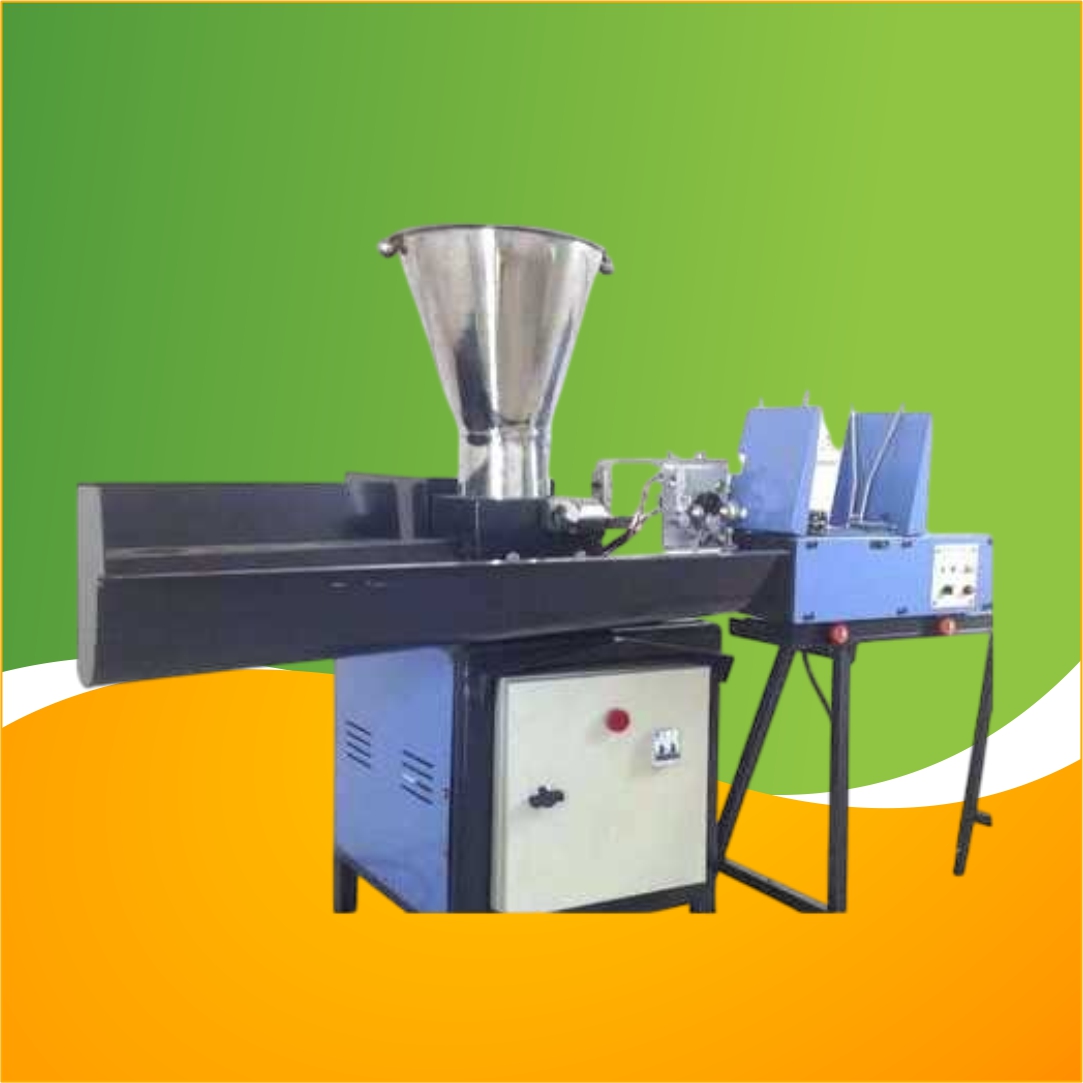
Agarbatti making machines are designed to handle the complete manufacturing process from bamboo stick cutting to finished incense stick output with precision and efficiency. These machines use advanced mechanical and pneumatic systems to ensure consistent quality across every agarbatti produced. The production process includes bamboo stick preparation, masala coating, fragrance application, drying, and packaging, all working in perfect synchronization to deliver finished agarbatti ready for the market.
Conclusion
Starting an agarbatti making business requires careful planning, the right investment in machinery, and a commitment to quality. With proper execution and dedication, an agarbatti manufacturing venture can provide sustainable income and long term business growth for years to come.
Buy Now
agarbatti business
agarbatti stick making machine
agarbatti machine maintenance
dhoop stick machine
agarbatti machine
incense making machine
agarbatti business profit
agarbatti manufacturing machine
agarbatti coating machine
agarbatti manufacturing
agarbatti bamboo stick machine
masala agarbatti machine
agarbatti making machine supplier