- kesyaipl2@gmail.com
- Rajdhani Park, Mubarkpur, Delhi, 110041, India
Blogs

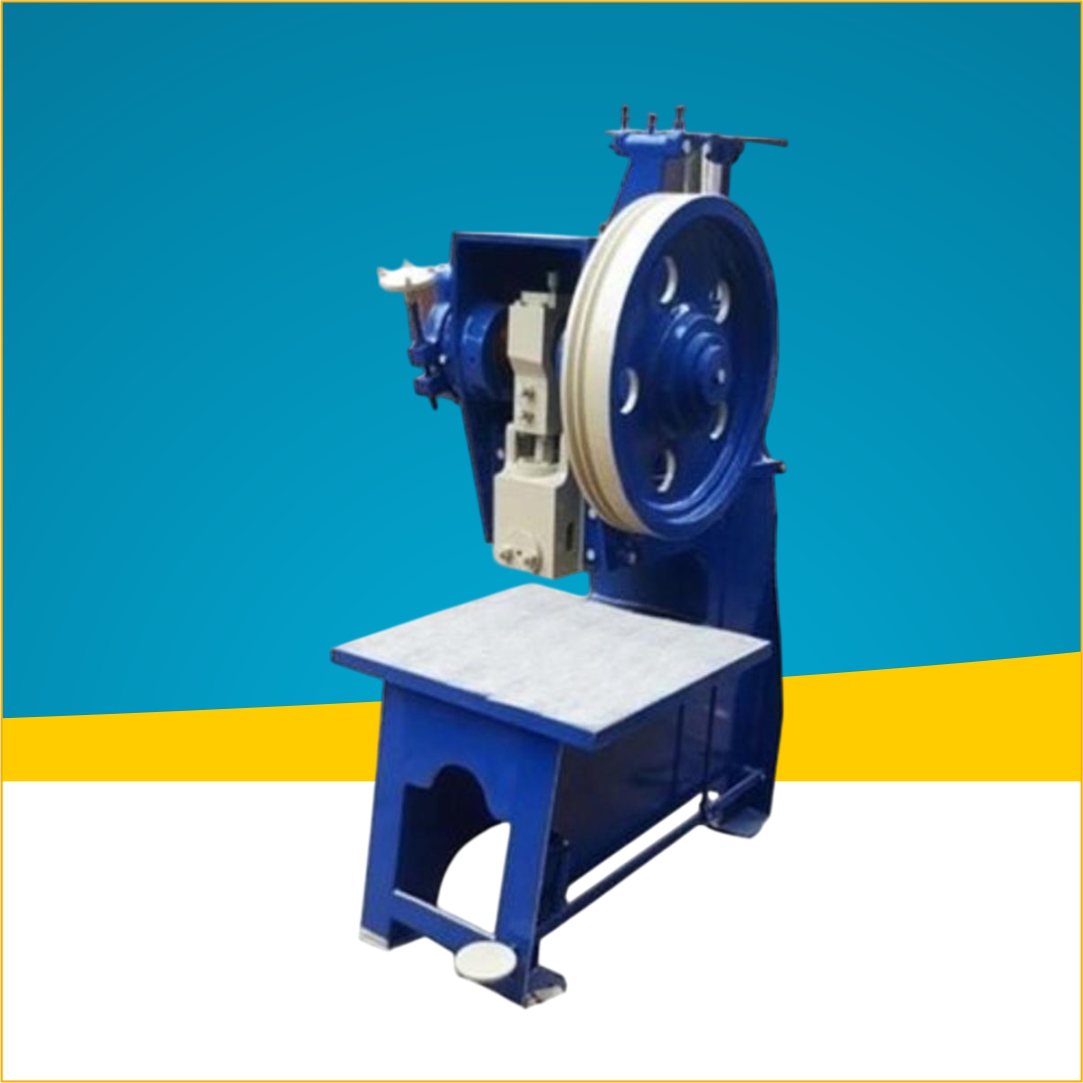
Buy Chappal Making Machine Online – Latest Price, Technical Specifications, Production Capacity & Business Opportunities
Price: ₹35000
Buy Chappal Making Machine Online – Latest Price, Technical Specifications, Production Capacity & Business Opportunities
The footwear industry is one of the fastest-growing manufacturing sectors in India and worldwide. With increasing demand for affordable, comfortable, and fashionable slippers and sandals, investing in a Chappal Making Machine can become a highly profitable business opportunity. Whether you are a new entrepreneur, MSME owner, footwear manufacturer, or existing industrial business looking to expand, buying a high-quality slipper making machine online offers convenience, competitive pricing, and access to advanced manufacturing technology.
Modern chappal making machines are designed to manufacture EVA slippers, PVC slippers, rubber chappals, foam slippers, Hawai chappals, school slippers, hotel slippers, and customized footwear with high precision, lower labor requirements, and excellent production efficiency.
Table of Contents
- Introduction to Chappal Making Machine
- Why Buy Chappal Making Machine Online?
- Types of Chappal Making Machines
- Technical Specifications
- Machine Features
- Production Capacity
- Raw Materials Required
- Manufacturing Process
- Advantages of Automatic Machines
- Business Opportunities
- Investment & Profit Potential
- Maintenance Tips
- Why Choose Our Machine?
- Frequently Asked Questions
What is a Chappal Making Machine?
A Chappal Making Machine is an industrial manufacturing system used for producing slippers, sandals, and various types of footwear using EVA sheets, PVC compounds, rubber sheets, foam materials, and synthetic materials. These machines automate cutting, sole pressing, hole punching, strap fitting, embossing, and finishing processes to achieve higher production with consistent quality.
Why Buy Chappal Making Machine Online?
Purchasing a slipper making machine online allows buyers to compare specifications, production capacity, machine models, pricing, customer reviews, warranty options, and after-sales support before making an investment decision. Online purchasing also saves valuable time while providing access to manufacturers directly.
Types of Chappal Making Machines
Manual Chappal Making Machine
Suitable for startups and small-scale manufacturers with lower production requirements.
Semi-Automatic Chappal Making Machine
Ideal for medium-scale businesses requiring higher productivity while maintaining affordable investment.
Fully Automatic Chappal Making Machine
Designed for commercial manufacturers producing thousands of slippers every day with minimal manpower.
EVA Slipper Making Machine
Manufactures lightweight, durable, and comfortable EVA slippers with excellent finishing.
PVC Slipper Making Machine
Specially engineered for PVC footwear manufacturing with high precision molding technology.
Technical Specifications
Machine Specifications
- Machine Type: Manual / Semi-Automatic / Fully Automatic
- Power Supply: 220V / 380V / 415V
- Power Consumption: Low Energy Design
- Hydraulic Pressure System
- Heavy Duty Steel Body
- PLC Control (Optional)
- Touch Screen Operation
- Digital Temperature Controller
- Automatic Timer
- High Precision Cutting System
- Safety Emergency Switch
- Industrial Grade Components
Production Capacity
Production depends on machine model, automation level, operator efficiency, and product design.
| Machine Type | Production Capacity |
|---|---|
| Manual Machine | 500–1,000 Pairs/Day |
| Semi Automatic | 1,500–3,000 Pairs/Day |
| Fully Automatic | 3,000–8,000+ Pairs/Day |
Main Features
High Production Efficiency
Produces large quantities within minimum manufacturing time.
Excellent Product Quality
Maintains consistent thickness, shape, cutting accuracy, and finishing.
Low Power Consumption
Energy-efficient motors reduce electricity expenses.
User-Friendly Operation
Simple controls make machine operation easy for beginners.
Heavy Duty Construction
Strong steel body ensures durability and long service life.
Minimal Maintenance
Industrial components require less maintenance and downtime.
Multi-Design Production
Manufacture different sizes, colors, and slipper designs using interchangeable dies.
Raw Materials Required
- EVA Sheets
- PVC Compound
- Rubber Sheets
- Foam Sheets
- Footwear Straps
- Adhesive
- Color Pigments
- Packing Material
- Brand Labels
Working Process
Step 1
Select footwear design and prepare production die.
Step 2
Feed EVA, PVC, or rubber sheet into the machine.
Step 3
Automatic cutting and sole shaping process begins.
Step 4
Punch strap holes accurately.
Step 5
Fit straps securely.
Step 6
Quality inspection and finishing.
Step 7
Packaging and dispatch.
Benefits of Chappal Making Machine
Higher Profit Margin
Low production cost increases overall profitability.
Quick Return on Investment
Growing footwear demand enables faster business growth.
Reduced Labor Cost
Automation minimizes dependency on manual labor.
Consistent Production
Uniform quality enhances customer satisfaction.
Scalable Manufacturing
Expand production according to market demand.
Business Opportunities
The Indian footwear market continues to grow rapidly due to rising population, urbanization, increasing fashion awareness, and expanding retail networks. Entrepreneurs can supply products to wholesalers, retailers, online marketplaces, schools, hospitals, hotels, distributors, government tenders, and export markets.
Potential Customers
- Retail Footwear Shops
- Wholesale Dealers
- Online Sellers
- School Suppliers
- Corporate Gift Suppliers
- Hotel Industry
- Export Companies
- Government Procurement Agencies
Estimated Investment
The investment varies depending upon machine automation, production capacity, factory setup, electricity requirements, labor, raw materials, and packaging infrastructure. Small-scale businesses can begin with semi-automatic machines, while industrial manufacturers generally prefer fully automatic production lines for maximum output.
Maintenance Tips
Daily Cleaning
Clean dies, hydraulic systems, and machine surfaces after production.
Lubrication
Lubricate moving components regularly for smooth performance.
Inspection
Check hydraulic pressure, electrical connections, and safety systems periodically.
Use Genuine Spare Parts
Always replace worn components with original spare parts for longer machine life.
Why Choose Our Chappal Making Machine?
- Latest Manufacturing Technology
- Industrial Grade Components
- High Production Capacity
- Energy Efficient Design
- Easy Installation
- Operator Friendly Controls
- Excellent After Sales Support
- Affordable Pricing
- Long Service Life
- High Return on Investment
Frequently Asked Questions (FAQs)
1. What is the price of a Chappal Making Machine?
The price depends on machine type, automation level, production capacity, and optional features.
2. Which raw materials are used?
EVA, PVC, rubber, foam sheets, straps, adhesives, and packaging materials are commonly used.
3. Can beginners start this business?
Yes. With proper training and quality machinery, beginners can successfully establish a slipper manufacturing business.
4. What is the average production capacity?
Production ranges from 500 pairs to more than 8,000 pairs per day depending on the machine model.
5. Is technical training provided?
Most reputed manufacturers provide installation assistance, operator training, and after-sales technical support.
6. Is this business profitable?
Yes. Due to continuous footwear demand and low manufacturing costs, slipper production offers attractive profit margins.
Conclusion
Buying a modern Chappal Making Machine online is an excellent investment for entrepreneurs seeking a profitable manufacturing business. Advanced technology, higher production capacity, low operating costs, durable construction, and growing footwear demand make this machine an ideal choice for startups as well as established manufacturers. By selecting the right machine according to your production goals and market requirements, you can build a scalable and sustainable footwear manufacturing business with long-term growth potential.
Buy Now
Chappal Making Machine
Buy Chappal Making Machine Online
Slipper Making Machine
EVA Slipper Making Machine
Rubber Chappal Making Machine
PVC Slipper Making Machine
Automatic Chappal Making Machine
Chappal Manufacturing Machine Price
Slipper Machine Price India
Chappal Production Machine
Footwear Manufacturing Machine
Chappal Business
Slipper Business Opportunity
Foam Slipper Machine
Chappal Machine Specifications
Chappal Machine Manufacturer
Slipper Making Business
Footwear Manufacturing Business
Industrial Chappal Machine
Chappal Making Plant