- kesyaipl2@gmail.com
- Rajdhani Park, Mubarkpur, Delhi, 110041, India
Blogs

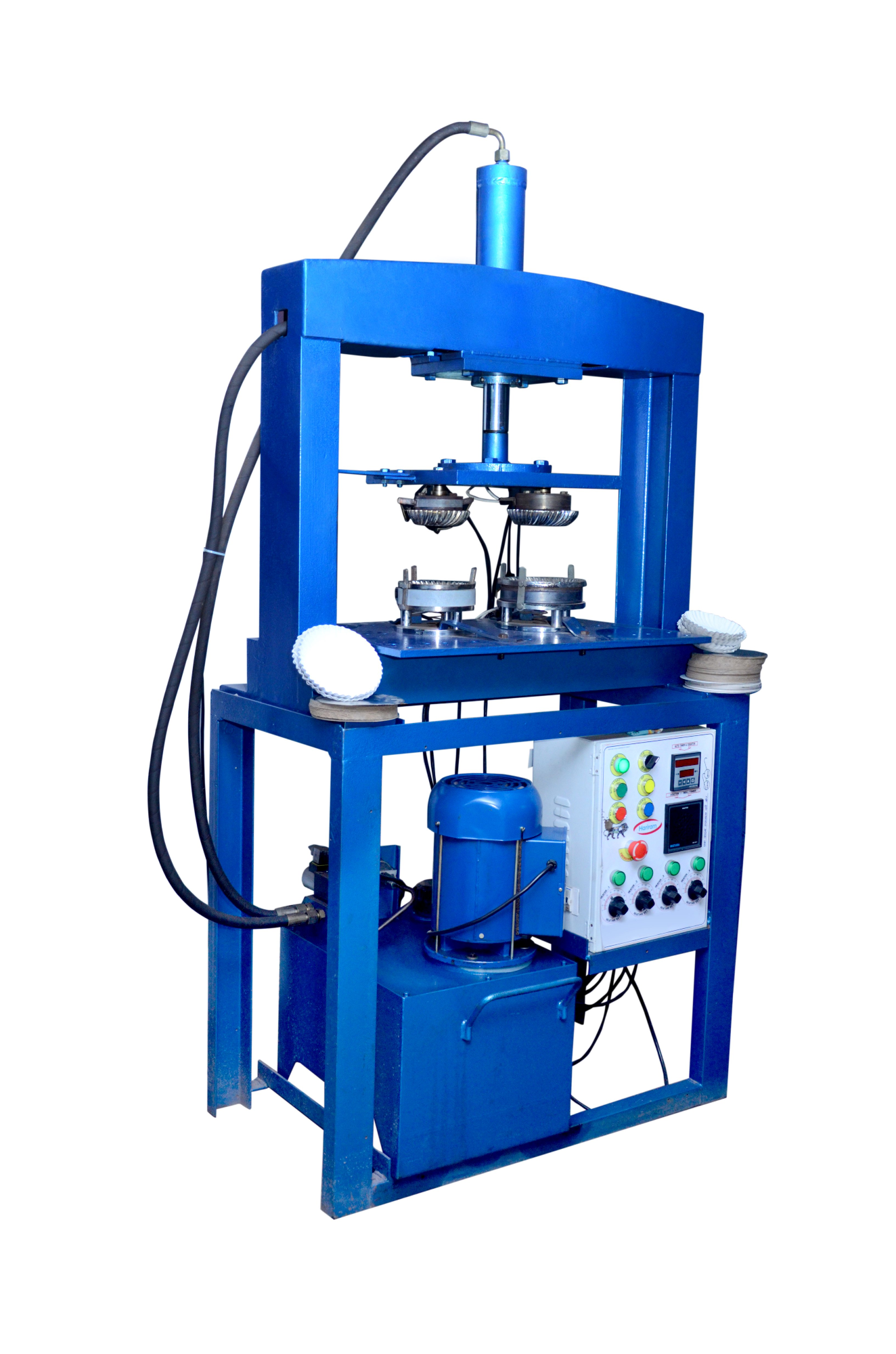
Efficient Paper Plate Die Machine
Price: ₹61301
Efficient Paper Plate Die Machine
Introduction
Securing financial support for a paper plate making business is increasingly accessible through various government schemes and financial institutions in India. The Mudra Loan scheme provides financial assistance to small businesses including paper plate manufacturing ventures. Under this scheme, entrepreneurs can obtain loans up to ten lakhs without providing collateral, making it easier to start or expand a paper plate making business.
Government subsidies for small-scale industries can significantly reduce the initial investment required for a paper plate making business. State-level industrial development corporations, district industries centers, and various government agencies offer subsidies on machinery, infrastructure, and working capital. These subsidies can cover 15 to 30 percent of the total project cost depending on the scheme and location.
Preparing a comprehensive business plan is essential for securing financing from banks and other financial institutions. The business plan should demonstrate the viability of the paper plate making venture through detailed market analysis, financial projections, and risk assessment. Lenders are more likely to approve financing for well-planned projects with clear repayment strategies.
Microfinance institutions and self-help groups provide alternative financing options for entrepreneurs who may not qualify for traditional bank loans. These institutions often offer more flexible lending criteria and personalized support services. For small-scale paper plate making operations, microfinance can provide the initial capital needed to purchase equipment and raw materials.
When it comes to choosing the right equipment for paper plate manufacturing, understanding the nuances of different machine types and their capabilities is essential. The market offers a wide range of options from basic manual machines to sophisticated fully automatic production lines. Each type has its own set of advantages and limitations that should be carefully evaluated against your specific business requirements and budget constraints.
The paper plate manufacturing industry continues to evolve with new technologies and innovations emerging regularly. Staying informed about the latest developments helps manufacturers make better decisions about equipment upgrades, process improvements, and market strategies. Industry associations, trade publications, and technology exhibitions are valuable sources of information about industry trends and best practices.
Customer feedback and market research play a vital role in shaping product development and business strategy in the paper plate industry. Understanding what customers value most in paper plates whether it is price, quality, design, or environmental credentials helps manufacturers focus their efforts and resources on the areas that matter most to their target market.
Overview
The market for paper plates continues to expand globally, driven by increasing urbanization, changing lifestyles, and growing environmental awareness. The food service industry, which includes restaurants, hotels, catering companies, and food courts, represents the largest consumer segment for paper plates. The paper plate making machine enables manufacturers to serve this growing market with competitively priced, high-quality products.
Seasonal demand patterns in the paper plate industry create opportunities for manufacturers to optimize their production and inventory management. Demand typically peaks during festival seasons, wedding seasons, and holiday periods when large gatherings and celebrations drive increased consumption of disposable tableware. Planning production schedules around these demand patterns helps manufacturers maximize their revenue and profitability.
The competitive landscape in the paper plate industry includes both organized and unorganized sectors. While large manufacturers benefit from economies of scale and established distribution networks, small and medium manufacturers can compete effectively by offering specialized products, better quality, and personalized customer service. The paper plate making machine gives small manufacturers the production capabilities to compete in this dynamic market.
Market research is essential for paper plate manufacturers to understand customer needs, competitive dynamics, and growth opportunities. Regular engagement with customers, distributors, and industry associations provides valuable insights into market trends and emerging opportunities. Manufacturers who invest in understanding their market are better positioned to adapt their products and strategies to meet evolving customer demands.
The financial aspects of running a paper plate making business require careful management to ensure long-term viability. Regular financial analysis, cash flow management, and cost optimization are essential business practices. Working with experienced accountants or financial advisors can help manufacturers make informed decisions about investments, pricing, and growth strategies.
Building a strong team is crucial for the success of any paper plate making operation. From skilled machine operators to quality control personnel and sales staff, each team member contributes to the overall performance of the business. Investing in employee development, creating a positive work environment, and offering competitive compensation helps attract and retain talented individuals.
Supply chain management in the paper plate industry involves coordinating with raw material suppliers, machine manufacturers, packaging providers, and logistics partners. Building strong relationships with reliable suppliers ensures consistent access to quality materials at competitive prices. Effective supply chain management contributes directly to product quality, delivery reliability, and cost efficiency.
Key Features
Technological advancements in paper plate making machines have significantly improved production efficiency, product quality, and operational convenience. Modern machines incorporate PLC controllers that automate the entire production process with minimal human intervention. These intelligent control systems can store multiple production recipes, making it easy to switch between different plate sizes and designs without lengthy setup procedures.
Touch screen interfaces have revolutionized the way operators interact with paper plate making machines. These intuitive interfaces provide real-time production data, allow parameter adjustments with simple touches, and display alerts and maintenance reminders. The visual nature of touch screen controls reduces training time and minimizes operator errors, contributing to higher overall equipment effectiveness.
Energy efficiency has become a key focus area in modern paper plate making machine design. Advanced heating systems, efficient motors, and intelligent power management controls help reduce energy consumption while maintaining production speeds. Some machines incorporate energy recovery systems that capture and reuse heat generated during the pressing process, further reducing operational costs.
Industry 4.0 concepts are beginning to influence paper plate making machine design, with features like remote monitoring, predictive maintenance, and data analytics becoming available on premium machines. These connected features enable manufacturers to optimize their operations using real-time data, predict maintenance needs before breakdowns occur, and manage multiple machines from a central location.
Marketing and sales strategies for paper plates should be tailored to the specific target market and distribution channels. For wholesale markets, emphasis should be on competitive pricing, consistent quality, and reliable supply. For retail markets, attractive packaging, brand building, and point-of-sale materials are important. For institutional buyers, product specifications, certifications, and service capabilities are key differentiators.
Environmental sustainability is becoming an increasingly important consideration for paper plate manufacturers. Implementing sustainable practices such as using recycled materials, minimizing energy consumption, reducing waste, and obtaining environmental certifications can provide competitive advantages and attract environmentally conscious customers and partners.
When it comes to choosing the right equipment for paper plate manufacturing, understanding the nuances of different machine types and their capabilities is essential. The market offers a wide range of options from basic manual machines to sophisticated fully automatic production lines. Each type has its own set of advantages and limitations that should be carefully evaluated against your specific business requirements and budget constraints.
Benefits and Advantages
The paper plate making machine comes in several configurations, each designed to meet specific production requirements. The most common types include manual, semi-automatic, automatic, and fully automatic machines. Manual paper plate making machines are ideal for very small-scale operations where production volume is limited and labor costs are low. These machines require an operator to feed paper, start the pressing cycle, and remove finished plates manually.
Semi-automatic paper plate making machines offer a middle ground between manual operation and full automation. These machines handle the pressing and shaping process automatically while requiring manual intervention for loading raw materials and collecting finished products. Semi-automatic machines are popular among small to medium-sized businesses that want to increase production without the significant investment required for fully automatic systems.
Automatic paper plate making machines represent the sweet spot for many manufacturers, offering excellent production rates with minimal human intervention. These machines feature automated paper feeding, pressing, and ejection systems that allow a single operator to manage multiple machines simultaneously. The production capacity of automatic machines typically ranges from 80 to 150 pieces per minute depending on the plate size and paper thickness.
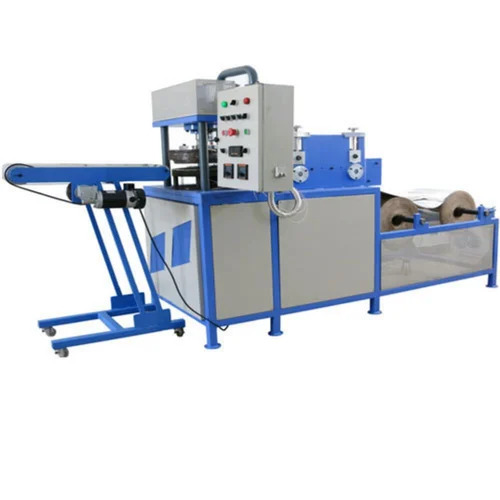
Fully automatic paper plate making machines are the ultimate choice for large-scale manufacturers who need maximum production capacity with the lowest possible labor costs. These machines handle the entire production process from paper roll feeding to finished plate collection without any manual intervention. Equipped with advanced sensors, PLC controllers, and touch screen interfaces, fully automatic machines can achieve production rates of 150 to 300 pieces per minute while maintaining exceptional quality consistency.
The paper plate manufacturing industry continues to evolve with new technologies and innovations emerging regularly. Staying informed about the latest developments helps manufacturers make better decisions about equipment upgrades, process improvements, and market strategies. Industry associations, trade publications, and technology exhibitions are valuable sources of information about industry trends and best practices.
Customer feedback and market research play a vital role in shaping product development and business strategy in the paper plate industry. Understanding what customers value most in paper plates whether it is price, quality, design, or environmental credentials helps manufacturers focus their efforts and resources on the areas that matter most to their target market.
The financial aspects of running a paper plate making business require careful management to ensure long-term viability. Regular financial analysis, cash flow management, and cost optimization are essential business practices. Working with experienced accountants or financial advisors can help manufacturers make informed decisions about investments, pricing, and growth strategies.
How It Works
The space requirements for a paper plate making operation depend on the type and number of machines, the volume of raw materials and finished goods inventory, and the operational workflow. A small-scale operation with one or two manual machines may require as little as 200 to 400 square feet, while a medium-sized operation with automatic machines typically needs 800 to 1500 square feet. Large industrial operations may require several thousand square feet.
Efficient layout planning for a paper plate making facility should consider the flow of materials from raw paper storage through the production area to finished goods storage and shipping. The layout should minimize material handling distances, provide adequate workspace around each machine, and allow for future expansion. Good ventilation and lighting are important for both operator comfort and product quality.
Storage considerations for a paper plate making operation include secure, dry storage for raw paper rolls and protected storage for finished plates. Paper rolls should be stored off the floor in a dry environment to prevent moisture damage. Finished plates should be packaged and stored in a way that prevents crushing and contamination. Adequate storage space ensures continuous production without interruptions.
The cost of space is an important factor in the overall economics of a paper plate making business. Industrial area locations typically offer better infrastructure and utilities but may have higher rent compared to rural or semi-urban locations. Some manufacturers choose to establish operations in their own properties to eliminate ongoing rent costs and have greater control over their facility.
Building a strong team is crucial for the success of any paper plate making operation. From skilled machine operators to quality control personnel and sales staff, each team member contributes to the overall performance of the business. Investing in employee development, creating a positive work environment, and offering competitive compensation helps attract and retain talented individuals.
Supply chain management in the paper plate industry involves coordinating with raw material suppliers, machine manufacturers, packaging providers, and logistics partners. Building strong relationships with reliable suppliers ensures consistent access to quality materials at competitive prices. Effective supply chain management contributes directly to product quality, delivery reliability, and cost efficiency.
Marketing and sales strategies for paper plates should be tailored to the specific target market and distribution channels. For wholesale markets, emphasis should be on competitive pricing, consistent quality, and reliable supply. For retail markets, attractive packaging, brand building, and point-of-sale materials are important. For institutional buyers, product specifications, certifications, and service capabilities are key differentiators.
Technical Specifications
Energy consumption is a significant operational cost factor in paper plate manufacturing. The main energy consumers in a paper plate making operation include the heating elements, motors, hydraulic pumps, and control systems. Understanding the energy requirements of each component helps manufacturers optimize their operations for energy efficiency and accurately forecast their utility costs.
Modern paper plate making machines incorporate several energy-saving features including efficient heating systems, variable frequency drives on motors, automatic shut-off during idle periods, and insulated heating chambers. These features can reduce energy consumption by 20 to 30 percent compared to older machine designs. Investing in energy-efficient equipment provides both environmental and economic benefits.
The electrical supply requirements for paper plate making machines vary based on the machine type and capacity. Manual machines may require single-phase power, while automatic and hydraulic machines typically need three-phase electrical supply. Ensuring that the electrical infrastructure can support the machine requirements is essential for safe and reliable operation.
Monitoring energy consumption helps manufacturers identify opportunities for improvement and track the effectiveness of energy-saving initiatives. Sub-metering individual machines, tracking energy costs per unit produced, and benchmarking against industry standards provide valuable insights for energy management. Some manufacturers install power factor correction equipment to optimize their electrical supply efficiency.
Environmental sustainability is becoming an increasingly important consideration for paper plate manufacturers. Implementing sustainable practices such as using recycled materials, minimizing energy consumption, reducing waste, and obtaining environmental certifications can provide competitive advantages and attract environmentally conscious customers and partners.
When it comes to choosing the right equipment for paper plate manufacturing, understanding the nuances of different machine types and their capabilities is essential. The market offers a wide range of options from basic manual machines to sophisticated fully automatic production lines. Each type has its own set of advantages and limitations that should be carefully evaluated against your specific business requirements and budget constraints.
The paper plate manufacturing industry continues to evolve with new technologies and innovations emerging regularly. Staying informed about the latest developments helps manufacturers make better decisions about equipment upgrades, process improvements, and market strategies. Industry associations, trade publications, and technology exhibitions are valuable sources of information about industry trends and best practices.
Production Capacity
Proper installation of a paper plate making machine is critical for achieving optimal performance and ensuring operator safety. The installation process typically involves site preparation, machine assembly, electrical connections, testing, and operator training. Following the manufacturer's installation guidelines ensures that the machine operates as designed and maintains its warranty coverage.
Site preparation for a paper plate making machine should include ensuring adequate floor space, proper electrical supply, appropriate ventilation, and suitable lighting. The machine should be placed on a level, vibration-free surface to ensure accurate plate formation. Most manufacturers provide detailed site preparation guidelines that specify minimum space requirements and utility specifications.
The commissioning process after machine installation involves running test production to verify that all systems are functioning correctly and that the produced plates meet quality specifications. During commissioning, operators are trained on machine operation, basic troubleshooting, and safety procedures. This hands-on training ensures that the production team is confident and competent in operating the new equipment.
Post-installation support from the machine manufacturer or supplier is valuable for optimizing machine performance and addressing any initial operational challenges. Many manufacturers offer on-site support during the first few weeks of operation, helping operators fine-tune machine settings and resolve any issues that arise. This support helps ensure a smooth transition to production and faster achievement of target output levels.
Customer feedback and market research play a vital role in shaping product development and business strategy in the paper plate industry. Understanding what customers value most in paper plates whether it is price, quality, design, or environmental credentials helps manufacturers focus their efforts and resources on the areas that matter most to their target market.
The financial aspects of running a paper plate making business require careful management to ensure long-term viability. Regular financial analysis, cash flow management, and cost optimization are essential business practices. Working with experienced accountants or financial advisors can help manufacturers make informed decisions about investments, pricing, and growth strategies.
Building a strong team is crucial for the success of any paper plate making operation. From skilled machine operators to quality control personnel and sales staff, each team member contributes to the overall performance of the business. Investing in employee development, creating a positive work environment, and offering competitive compensation helps attract and retain talented individuals.
Business Opportunity
The quality of raw materials used in paper plate making directly impacts the quality of the finished product. The primary raw material is paper which comes in various grades and thicknesses. Common types include ivory board, art paper, virgin paper, recycled paper, and food-grade coated paper. The choice of paper depends on the intended use of the plates, the desired appearance, and the price point of the finished product.
Paper rolls are the most common form of raw material used in paper plate making machines. These rolls are available in various widths, thicknesses, and colors to match different plate designs. Standard paper roll widths range from 300mm to 1200mm depending on the plate size being produced. The paper thickness typically ranges from 100 GSM to 400 GSM for standard disposable plates.
Food-grade coating materials are used to make paper plates waterproof and grease-resistant. These coatings are applied to the paper either before or during the plate making process. Common coating materials include polyethylene, PLA (polylylactide), and water-based coatings. The choice of coating affects the plate's performance, environmental impact, and cost. Eco-friendly options like PLA coating are gaining popularity among environmentally conscious consumers.
The cost of raw materials represents a significant portion of the total production cost in paper plate making. Manufacturers can optimize their material costs by purchasing paper rolls in bulk, negotiating favorable terms with suppliers, and minimizing material waste during production. Building strong relationships with multiple paper suppliers helps ensure steady supply and competitive pricing. Some manufacturers also source recycled paper to reduce costs while supporting sustainability goals.
Supply chain management in the paper plate industry involves coordinating with raw material suppliers, machine manufacturers, packaging providers, and logistics partners. Building strong relationships with reliable suppliers ensures consistent access to quality materials at competitive prices. Effective supply chain management contributes directly to product quality, delivery reliability, and cost efficiency.
Marketing and sales strategies for paper plates should be tailored to the specific target market and distribution channels. For wholesale markets, emphasis should be on competitive pricing, consistent quality, and reliable supply. For retail markets, attractive packaging, brand building, and point-of-sale materials are important. For institutional buyers, product specifications, certifications, and service capabilities are key differentiators.
Environmental sustainability is becoming an increasingly important consideration for paper plate manufacturers. Implementing sustainable practices such as using recycled materials, minimizing energy consumption, reducing waste, and obtaining environmental certifications can provide competitive advantages and attract environmentally conscious customers and partners.
Profit Potential
Customer satisfaction is the foundation of a successful paper plate making business. Delivering consistent quality, meeting delivery commitments, and providing responsive customer service are essential for building long-term customer relationships. Satisfied customers become repeat buyers and provide valuable word-of-mouth referrals that help grow the business organically.
Understanding customer requirements and preferences helps paper plate manufacturers tailor their products and services to meet market needs. Regular customer surveys, feedback sessions, and market research provide insights into evolving customer expectations. Manufacturers who stay close to their customers and respond quickly to changing needs gain a competitive advantage in the marketplace.
Building a diverse customer base reduces the risk associated with dependence on a small number of buyers. Targeting different market segments including retail, institutional, catering, and export markets helps spread risk and provides more stable revenue streams. Each customer segment may have different requirements, allowing manufacturers to offer a range of products that cater to various needs.
Digital marketing and online presence have become important tools for paper plate manufacturers to reach potential customers. A professional website, active social media presence, and listings on B2B platforms help manufacturers showcase their products and capabilities to a wider audience. Customer reviews and testimonials online serve as powerful social proof that influences purchasing decisions.
When it comes to choosing the right equipment for paper plate manufacturing, understanding the nuances of different machine types and their capabilities is essential. The market offers a wide range of options from basic manual machines to sophisticated fully automatic production lines. Each type has its own set of advantages and limitations that should be carefully evaluated against your specific business requirements and budget constraints.
The paper plate manufacturing industry continues to evolve with new technologies and innovations emerging regularly. Staying informed about the latest developments helps manufacturers make better decisions about equipment upgrades, process improvements, and market strategies. Industry associations, trade publications, and technology exhibitions are valuable sources of information about industry trends and best practices.
Customer feedback and market research play a vital role in shaping product development and business strategy in the paper plate industry. Understanding what customers value most in paper plates whether it is price, quality, design, or environmental credentials helps manufacturers focus their efforts and resources on the areas that matter most to their target market.
Market Analysis
The environmental advantages of paper plates over plastic alternatives have driven significant growth in the paper plate industry. Paper plates are biodegradable, compostable, and made from renewable resources, making them a responsible choice for environmentally conscious consumers. The paper plate making machine enables manufacturers to meet the growing demand for sustainable tableware options.
Government regulations banning or restricting single-use plastic products in many countries have created enormous opportunities for paper plate manufacturers. The paper plate making machine allows businesses to capitalize on this regulatory trend by producing eco-friendly alternatives that meet both environmental standards and consumer preferences. This regulatory environment provides a stable foundation for long-term business growth.
The compostability of paper plates is a significant selling point in today's environmentally aware market. Paper plates made from uncoated or PLA-coated paper can be composted in industrial composting facilities, returning valuable nutrients to the soil. This circular economy approach appeals to environmentally conscious consumers and businesses that want to minimize their environmental impact.
Investing in a paper plate making machine aligns with the global movement towards sustainability and responsible manufacturing. As consumers become more environmentally aware, businesses that offer eco-friendly products gain a competitive advantage. Paper plate manufacturers can leverage this trend by highlighting the environmental benefits of their products in their marketing and branding efforts.
The financial aspects of running a paper plate making business require careful management to ensure long-term viability. Regular financial analysis, cash flow management, and cost optimization are essential business practices. Working with experienced accountants or financial advisors can help manufacturers make informed decisions about investments, pricing, and growth strategies.
Building a strong team is crucial for the success of any paper plate making operation. From skilled machine operators to quality control personnel and sales staff, each team member contributes to the overall performance of the business. Investing in employee development, creating a positive work environment, and offering competitive compensation helps attract and retain talented individuals.
Supply chain management in the paper plate industry involves coordinating with raw material suppliers, machine manufacturers, packaging providers, and logistics partners. Building strong relationships with reliable suppliers ensures consistent access to quality materials at competitive prices. Effective supply chain management contributes directly to product quality, delivery reliability, and cost efficiency.
Raw Materials
The price of a paper plate making machine varies significantly based on its type, capacity, features, and build quality. Manual machines are the most affordable option, making them accessible to entrepreneurs with limited capital. Semi-automatic machines offer enhanced features at a moderate price point, while fully automatic machines command premium prices due to their advanced technology and higher production capabilities.
When evaluating paper plate making machine prices, it is important to consider the total cost of ownership rather than just the initial purchase price. Factors such as energy consumption, maintenance costs, spare parts availability, and expected service life should all be factored into the purchasing decision. A slightly more expensive machine with lower operating costs may prove more economical over its lifetime.
The Indian market offers paper plate making machines at various price points to suit different business requirements and budgets. Entry-level machines suitable for small-scale operations are available at affordable prices, while industrial-grade machines with advanced features command higher prices. Government subsidies and financing options can help entrepreneurs acquire machines that might otherwise be beyond their immediate budget.
Comparing prices from multiple manufacturers and suppliers is essential before making a purchasing decision. Online marketplaces, trade exhibitions, and industry directories are valuable resources for researching machine prices and specifications. It is also advisable to request detailed quotations that include all components, installation, training, and warranty coverage to make accurate comparisons between different offerings.
Marketing and sales strategies for paper plates should be tailored to the specific target market and distribution channels. For wholesale markets, emphasis should be on competitive pricing, consistent quality, and reliable supply. For retail markets, attractive packaging, brand building, and point-of-sale materials are important. For institutional buyers, product specifications, certifications, and service capabilities are key differentiators.
Environmental sustainability is becoming an increasingly important consideration for paper plate manufacturers. Implementing sustainable practices such as using recycled materials, minimizing energy consumption, reducing waste, and obtaining environmental certifications can provide competitive advantages and attract environmentally conscious customers and partners.
When it comes to choosing the right equipment for paper plate manufacturing, understanding the nuances of different machine types and their capabilities is essential. The market offers a wide range of options from basic manual machines to sophisticated fully automatic production lines. Each type has its own set of advantages and limitations that should be carefully evaluated against your specific business requirements and budget constraints.
Quality Standards
Regular maintenance is essential for keeping a paper plate making machine operating at peak performance and extending its service life. A comprehensive maintenance program should include daily cleaning, weekly inspections, monthly servicing, and annual overhauls. Following the manufacturer's recommended maintenance schedule helps prevent unexpected breakdowns and ensures consistent product quality throughout the machine's operational life.
Daily maintenance of a paper plate making machine involves cleaning the die surfaces, removing paper dust and debris from the working area, checking lubrication levels, and inspecting the paper feeding mechanism. These simple tasks take only a few minutes but can significantly impact machine performance and product quality. Operators should be trained to identify early signs of wear or damage during their daily routine.
Preventive maintenance scheduling should be based on machine usage hours and the manufacturer's recommendations. Common preventive maintenance tasks include replacing worn die surfaces, adjusting paper feeding tension, calibrating heating elements, checking electrical connections, and inspecting hydraulic systems. Keeping detailed maintenance records helps track machine condition and plan for upcoming service needs.
Troubleshooting common paper plate making machine problems requires understanding the relationship between symptoms and their causes. Issues such as uneven plate formation, paper jams, inconsistent plate size, and poor surface finish can often be traced to specific parameter adjustments or component wear. Operators who understand these relationships can quickly diagnose and resolve problems, minimizing production downtime.
The paper plate manufacturing industry continues to evolve with new technologies and innovations emerging regularly. Staying informed about the latest developments helps manufacturers make better decisions about equipment upgrades, process improvements, and market strategies. Industry associations, trade publications, and technology exhibitions are valuable sources of information about industry trends and best practices.
Customer feedback and market research play a vital role in shaping product development and business strategy in the paper plate industry. Understanding what customers value most in paper plates whether it is price, quality, design, or environmental credentials helps manufacturers focus their efforts and resources on the areas that matter most to their target market.
The financial aspects of running a paper plate making business require careful management to ensure long-term viability. Regular financial analysis, cash flow management, and cost optimization are essential business practices. Working with experienced accountants or financial advisors can help manufacturers make informed decisions about investments, pricing, and growth strategies.
Maintenance
Paper plates offer numerous advantages over their plastic counterparts, making them increasingly preferred by consumers and businesses alike. Unlike plastic plates which can take hundreds of years to decompose, paper plates break down naturally within weeks to months. This fundamental environmental advantage has driven the shift from plastic to paper tableware across the global food service industry.
The regulatory environment is increasingly favorable for paper plate manufacturers as governments worldwide implement bans and restrictions on single-use plastic products. These regulations create a structural demand for paper alternatives that will only grow stronger over time. The paper plate making machine positions manufacturers to benefit from this long-term regulatory trend.
Consumer preferences are shifting strongly towards sustainable and eco-friendly products. Studies show that a growing majority of consumers are willing to pay more for products with environmentally friendly credentials. Paper plates meet this consumer expectation perfectly, offering convenience without the environmental guilt associated with plastic products.
The paper plate industry benefits from a virtuous cycle of growing demand, increasing production volumes, and improving economics. As production scales up, manufacturers achieve better economies of scale, leading to lower costs and more competitive pricing. This dynamic further strengthens the position of paper plates relative to plastic alternatives.
Building a strong team is crucial for the success of any paper plate making operation. From skilled machine operators to quality control personnel and sales staff, each team member contributes to the overall performance of the business. Investing in employee development, creating a positive work environment, and offering competitive compensation helps attract and retain talented individuals.
Supply chain management in the paper plate industry involves coordinating with raw material suppliers, machine manufacturers, packaging providers, and logistics partners. Building strong relationships with reliable suppliers ensures consistent access to quality materials at competitive prices. Effective supply chain management contributes directly to product quality, delivery reliability, and cost efficiency.
Marketing and sales strategies for paper plates should be tailored to the specific target market and distribution channels. For wholesale markets, emphasis should be on competitive pricing, consistent quality, and reliable supply. For retail markets, attractive packaging, brand building, and point-of-sale materials are important. For institutional buyers, product specifications, certifications, and service capabilities are key differentiators.
Safety Features
Quality control in paper plate manufacturing involves systematic monitoring and testing of both raw materials and finished products. Incoming raw materials should be inspected for grade, thickness, moisture content, and coating quality before being accepted into production. Finished plates should be checked for dimensional accuracy, weight consistency, surface finish, and structural integrity on a regular basis.
Quality management systems help paper plate manufacturers maintain consistent product quality while identifying opportunities for continuous improvement. Implementing standardized operating procedures, regular training programs, and systematic quality audits creates a culture of quality that permeates the entire organization. Many manufacturers seek ISO certification to demonstrate their commitment to quality to customers and partners.
The testing of paper plates involves evaluating several key performance indicators including load-bearing capacity, moisture resistance, temperature tolerance, and dimensional stability. These tests ensure that the plates will perform satisfactorily during their intended use. Regular testing helps identify any trends in quality that might indicate the need for process adjustments or equipment maintenance.
Customer feedback is an invaluable source of information for maintaining and improving product quality. Establishing systematic channels for collecting and analyzing customer feedback helps manufacturers understand how their products perform in real-world applications. This feedback loop enables continuous product improvement and helps build stronger customer relationships.
Environmental sustainability is becoming an increasingly important consideration for paper plate manufacturers. Implementing sustainable practices such as using recycled materials, minimizing energy consumption, reducing waste, and obtaining environmental certifications can provide competitive advantages and attract environmentally conscious customers and partners.
When it comes to choosing the right equipment for paper plate manufacturing, understanding the nuances of different machine types and their capabilities is essential. The market offers a wide range of options from basic manual machines to sophisticated fully automatic production lines. Each type has its own set of advantages and limitations that should be carefully evaluated against your specific business requirements and budget constraints.
The paper plate manufacturing industry continues to evolve with new technologies and innovations emerging regularly. Staying informed about the latest developments helps manufacturers make better decisions about equipment upgrades, process improvements, and market strategies. Industry associations, trade publications, and technology exhibitions are valuable sources of information about industry trends and best practices.
Conclusion and Final Thoughts
The paper plate making machine represents an excellent investment opportunity for entrepreneurs and businesses looking to capitalize on the growing demand for disposable tableware. With its combination of low operating costs, high production efficiency, and strong market demand, the paper plate manufacturing business offers attractive returns on investment. Whether you are starting a new venture or expanding an existing operation, choosing the right machine and implementing best practices in production and marketing will be key to your success.
As the world moves increasingly towards sustainable and eco-friendly products, the demand for paper plates will continue to grow. Manufacturers who invest in modern, efficient paper plate making machines today will be well-positioned to benefit from this long-term trend. The key to success lies in choosing quality equipment, sourcing good raw materials, maintaining high product standards, and building strong customer relationships. With dedication and smart business practices, a paper plate making venture can provide sustainable income and long-term business growth for years to come.
Take the first step towards your paper plate making business today by researching the available machine options, understanding your local market dynamics, and developing a comprehensive business plan. The journey of a thousand miles begins with a single step, and your journey into the profitable world of paper plate manufacturing starts with making an informed decision about the right machine for your needs. The industry is ready for new players, and the opportunities are abundant for those who are willing to take action.
Buy Now
paper plate making machine
paper plate machine
paper plate manufacturing
paper plate production
paper plate business
paper plate machine price
automatic paper plate machine
paper plate making business
best paper plate machine
paper plate machine for small business
paper plate manufacturing business
how to start paper plate business
paper plate machine profit
paper plate making machine features
paper plate machine maintenance