- kesyaipl2@gmail.com
- Rajdhani Park, Mubarkpur, Delhi, 110041, India
Blogs

Growth Strategies in Agarbatti Making Business
Price: ₹30911
Growth Strategies for Agarbatti Businesses
Agarbatti manufacturing represents one of the most promising business opportunities in the Indian incense and puja supplies market today.
Key Aspects and Features
The quality of raw materials used in agarbatti manufacturing directly impacts the quality of the finished product. Bamboo comes in various grades and sizes, and selecting the right stick dimensions for the intended product type is crucial. Premium agarbatti require high quality bamboo with consistent diameter and smooth surface, while economy products can use standard grade sticks.
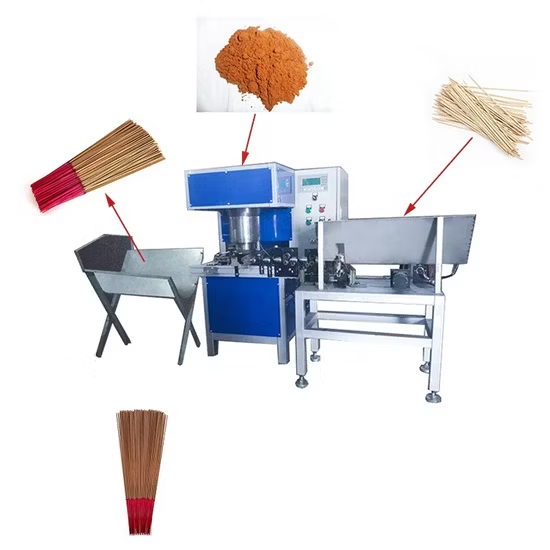
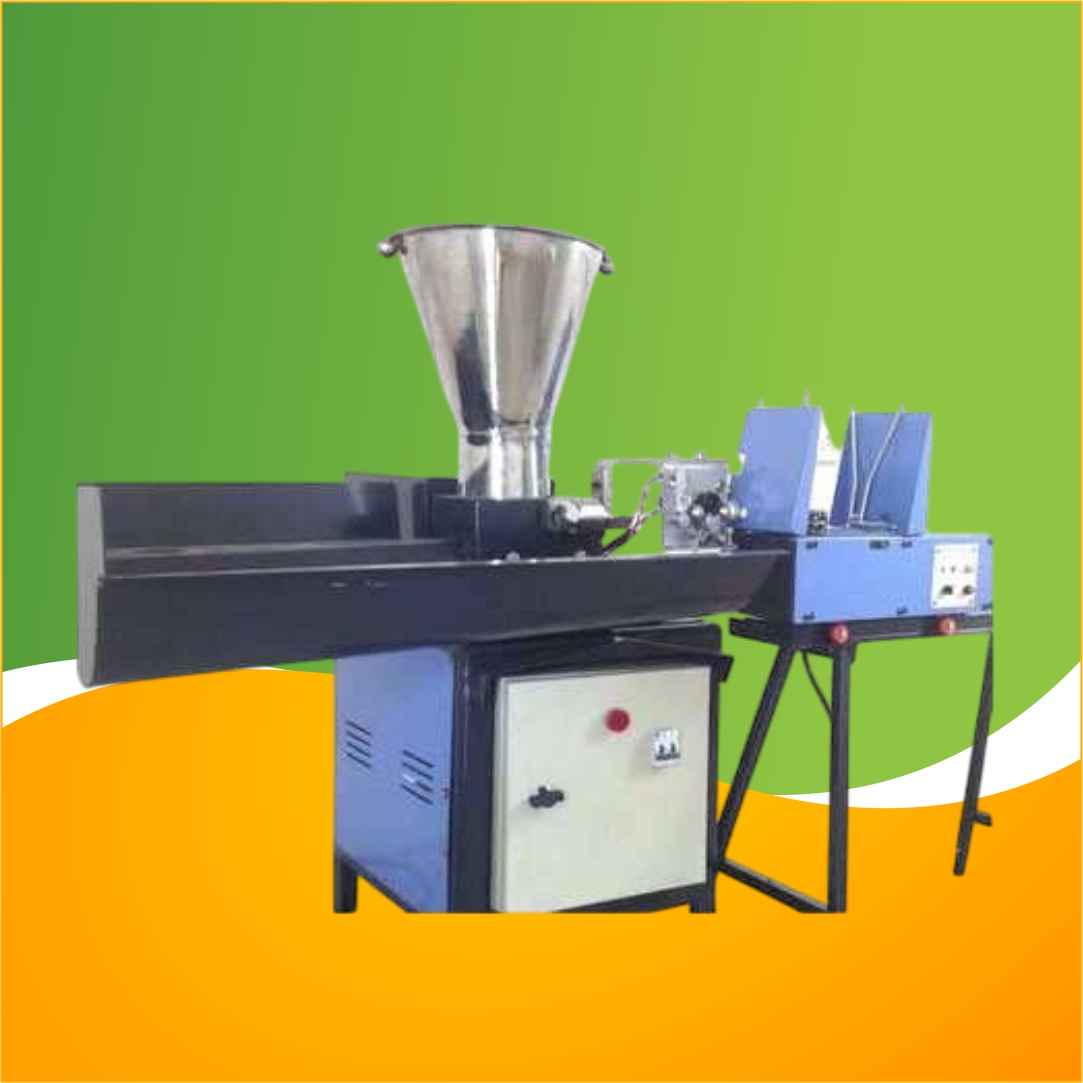
Machine maintenance is essential for ensuring consistent production quality and maximizing machine lifespan. Regular maintenance tasks include lubrication, blade sharpening, roller adjustment, calibration, and inspection of wear parts. Developing a comprehensive maintenance schedule and training operators on basic maintenance procedures helps prevent unplanned downtime and costly repairs.
Business and Market Overview
The competitive advantage in agarbatti manufacturing comes from a combination of product quality, fragrance range, pricing, branding, and distribution effectiveness. Manufacturers who excel in multiple dimensions create stronger market positions than those who compete on price alone. Investing in quality, building brand awareness, and developing efficient distribution networks are key to long term success.
The competitive landscape in the agarbatti industry includes both large established brands and numerous small to medium enterprises. While brand recognition plays a role in premium segments, the bulk of agarbatti sales happen through wholesale channels where price and quality are the primary differentiators. Small manufacturers can compete effectively by offering competitive pricing, consistent quality, and a diverse fragrance range that meets local preferences.
Production and Operations
Different types of agarbatti serve different purposes in the market. Common varieties include dhoop sticks, sambrani sticks, loban sticks, and flavored sticks for specific religious ceremonies. Each type has specific dimensions, coating requirements, and fragrance profiles. Understanding the market demand for different varieties helps manufacturers optimize their production mix.
Conclusion
The agarbatti making machine industry offers excellent opportunities for entrepreneurs and businesses looking to enter the incense manufacturing sector. With the right equipment, quality raw materials, and effective marketing strategies, an agarbatti manufacturing business can generate attractive returns on investment while meeting the growing demand for quality incense sticks across India and internationally.
Buy Now
agarbatti making business
agarbatti manufacturing business
agarbatti machine for small business
automatic agarbatti machine
agarbatti stick making machine
agarbatti making machine manufacturer
agarbatti production capacity
agarbatti machine
agarbatti business profit
agarbatti making machine
agarbatti production
agarbatti manufacturing process
agarbatti coating machine