- kesyaipl2@gmail.com
- Rajdhani Park, Mubarkpur, Delhi, 110041, India
Blogs

How Does a Chappal Making Machine Work? Features, Manufacturing Process, Cost & Business Setup Guide
Price: ₹64000
How Does a Chappal Making Machine Work? Features, Manufacturing Process, Cost & Business Setup Guide
The footwear industry is one of the fastest-growing manufacturing sectors in India and across the globe. With increasing demand for affordable, durable, and stylish slippers, investing in a Chappal Making Machine has become a profitable business opportunity for startups, MSMEs, entrepreneurs, and footwear manufacturers. Modern chappal making machines are designed to produce high-quality slippers with greater speed, precision, and lower labor costs.
Whether you want to manufacture EVA slippers, rubber chappals, foam slippers, PVC footwear, or customized footwear, understanding the working process, machine features, production capacity, investment, and business setup is essential before starting your manufacturing unit.
Table of Contents
- Introduction to Chappal Making Machine
- What is a Chappal Making Machine?
- How Does a Chappal Making Machine Work?
- Complete Manufacturing Process
- Raw Materials Required
- Main Features
- Technical Specifications
- Types of Chappal Making Machines
- Advantages of Using Automatic Machines
- Production Capacity
- Investment & Business Setup Cost
- Maintenance Tips
- Applications
- Business Opportunities
- Frequently Asked Questions
What is a Chappal Making Machine?
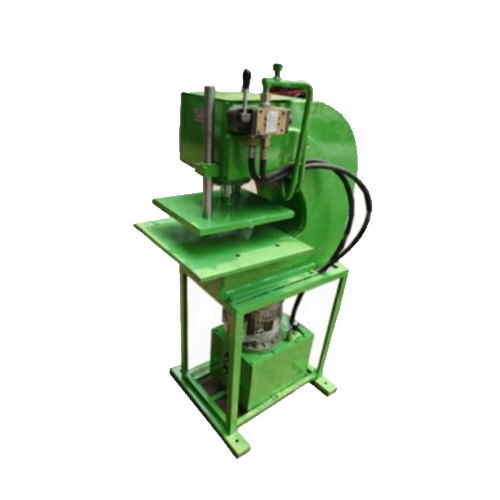
A Chappal Making Machine is an industrial manufacturing machine used for producing slippers and footwear from materials such as EVA sheets, rubber, PVC, foam, and synthetic materials. These machines perform multiple operations including sheet cutting, sole punching, strap fitting, hydraulic pressing, finishing, trimming, and branding, ensuring consistent product quality with minimal manual effort.
How Does a Chappal Making Machine Work?
Modern chappal manufacturing machines follow a systematic production process that ensures speed, accuracy, and consistency.
Step 1: Material Selection
Manufacturers choose raw materials like EVA sheets, rubber sheets, PVC sheets, foam sheets, synthetic leather, straps, adhesives, and packaging materials depending on the desired footwear quality.
Step 2: Sole Sheet Cutting
Large EVA or rubber sheets are placed inside the cutting machine. Hydraulic dies cut slipper soles in different sizes with high precision while minimizing material wastage.
Step 3: Sole Punching
Punching machines create perfectly aligned holes for inserting slipper straps. Automated positioning ensures accurate hole placement for all sizes.
Step 4: Strap Fixing
PVC, rubber, or synthetic straps are inserted into the punched holes using a strap fitting machine or hydraulic press. The machine securely locks the straps into the sole.
Step 5: Hydraulic Pressing
Hydraulic pressure strengthens the bond between straps and soles, ensuring durability and long-lasting performance.
Step 6: Finishing & Trimming
Extra material is trimmed to achieve smooth edges. Surface finishing enhances the appearance of the final product.
Step 7: Branding & Packaging
Logos, sizes, brand names, and customized designs are printed before slippers are inspected, packed, and dispatched.
Complete Chappal Manufacturing Process
Production Flow
Raw Material Selection → Sheet Cutting → Sole Punching → Hole Making → Strap Fixing → Hydraulic Pressing → Edge Trimming → Quality Inspection → Brand Printing → Packaging → Ready for Market
Raw Materials Required
- EVA Sheets
- Rubber Sheets
- PVC Sheets
- Foam Sheets
- Slipper Straps
- Synthetic Leather
- Adhesives
- Printing Ink
- Packaging Materials
- Brand Labels
Main Features of Chappal Making Machine
High-Speed Production
Manufactures hundreds to thousands of slipper pairs daily depending on machine capacity.
Hydraulic Precision Cutting
Provides uniform cutting with excellent finishing and minimal wastage.
Low Power Consumption
Energy-efficient motors reduce operational costs and improve profitability.
Heavy-Duty Construction
Strong steel body ensures durability and long machine life.
Easy Operation
User-friendly controls require minimal operator training.
Multiple Size Compatibility
Supports manufacturing of kids, women, and men's slippers using interchangeable dies.
Low Maintenance
Requires simple routine maintenance for consistent production.
Technical Specifications
Machine Type
Semi Automatic / Fully Automatic
Operation
Hydraulic / Pneumatic
Power Requirement
2 HP – 10 HP (Depending on Model)
Voltage
220V / 415V
Production Capacity
500 – 5000 Pairs per Day
Material Compatibility
EVA, Rubber, PVC, Foam
Machine Body
Heavy Duty Mild Steel Structure
Types of Chappal Making Machines
Manual Chappal Making Machine
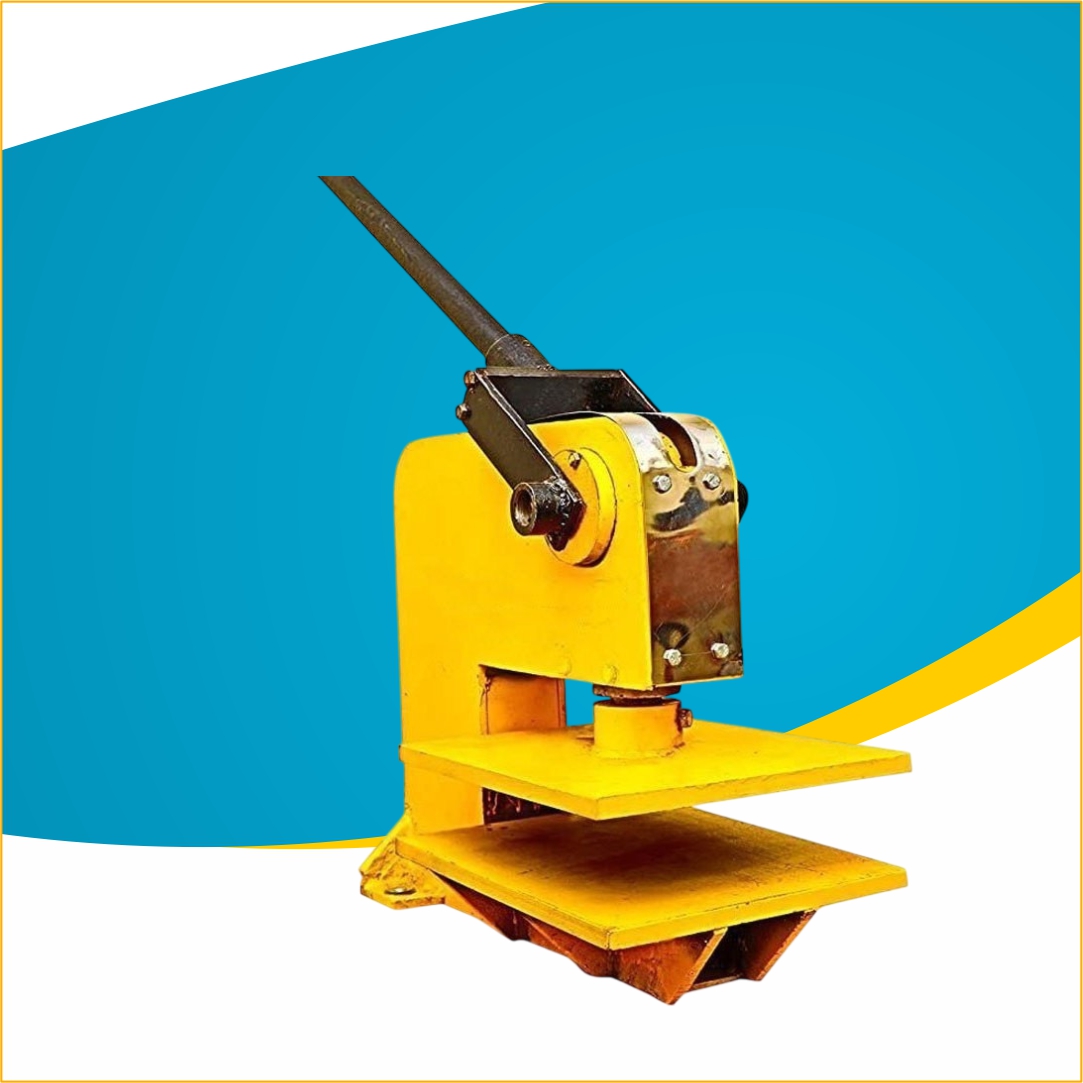
Suitable for small businesses with low investment.
Semi Automatic Chappal Machine
Offers faster production while reducing manual effort.
Fully Automatic Chappal Making Machine
Ideal for commercial manufacturing with maximum productivity and minimal labor.
Benefits of Using a Chappal Making Machine
- High production efficiency
- Lower manufacturing costs
- Consistent product quality
- Reduced labor dependency
- Minimal material wastage
- Fast return on investment
- Supports customized designs
- Scalable manufacturing operations
- Easy maintenance
- Higher business profitability
Production Capacity
Depending on automation level and operator experience, a modern chappal making machine can produce approximately 500 to 5000 pairs per day. Capacity also depends on slipper design, material thickness, and production workflow.
Investment & Business Setup Guide
Estimated Investment
- Machine Purchase
- Raw Material Inventory
- Dies & Moulds
- Factory Space
- Electrical Installation
- Packaging Material
- Labor Cost
- Marketing & Distribution
The overall investment varies based on machine automation, production capacity, and business scale. Small manufacturers can begin with a semi-automatic setup, while larger factories often invest in fully automatic production lines to maximize efficiency and profitability.
Maintenance Tips
- Lubricate moving parts regularly.
- Inspect hydraulic pressure systems.
- Clean cutting dies after each production cycle.
- Replace worn-out components promptly.
- Monitor electrical connections.
- Follow the manufacturer's maintenance schedule.
Applications
- Footwear Manufacturing Industries
- Slipper Manufacturing Units
- OEM Footwear Production
- Private Label Manufacturing
- Export Businesses
- Customized Footwear Brands
- Small & Medium Manufacturing Units
Why Start a Chappal Manufacturing Business?
The demand for affordable and fashionable footwear continues to rise due to population growth, increasing retail demand, and expanding e-commerce markets. A chappal manufacturing business offers excellent profit margins, scalable production, year-round demand, and opportunities to supply wholesalers, retailers, distributors, schools, institutions, and online marketplaces.
Frequently Asked Questions (FAQs)
1. What is a Chappal Making Machine?
It is a manufacturing machine used to produce slippers made from EVA, rubber, PVC, and foam materials.
2. How many slippers can the machine produce daily?
Depending on the model, production ranges from approximately 500 to 5000 pairs per day.
3. Which materials can be used?
EVA, rubber, PVC, foam sheets, synthetic leather, and slipper straps are commonly used.
4. Is the machine suitable for beginners?
Yes. Modern machines feature user-friendly controls and require minimal operator training.
5. What is the power requirement?
Typically between 2 HP and 10 HP, depending on machine size and automation.
6. Is the business profitable?
Yes. With increasing footwear demand, efficient production, and proper marketing, a chappal manufacturing business offers strong growth potential and attractive returns.
7. Can customized slipper designs be manufactured?
Yes. Different dies, molds, and branding options allow manufacturers to create customized footwear in multiple sizes, colors, and styles.
Conclusion
A modern Chappal Making Machine combines speed, precision, durability, and automation to simplify footwear production while reducing operational costs. Whether you are starting a new manufacturing business or expanding an existing footwear unit, investing in the right machine can significantly improve productivity, product quality, and profitability. By understanding the manufacturing process, machine specifications, raw materials, and business requirements, entrepreneurs can establish a successful and sustainable slipper manufacturing business that meets growing market demand.
Buy Now
Chappal Making Machine
Chappal Making Machine Price
Chappal Manufacturing Machine
Slipper Making Machine
EVA Chappal Making Machine
Rubber Chappal Machine
Automatic Chappal Making Machine
Semi Automatic Chappal Machine
Footwear Manufacturing Machine
Chappal Business Setup
Chappal Production Machine
Slipper Manufacturing Process
Chappal Manufacturing Business
Footwear Business India
Chappal Machine Features
Chappal Machine Specifications
Chappal Machine Investment
Chappal Machine Cost
EVA Sheet Cutting Machine
Hydraulic Chappal Machine
Footwear Industry Machine
Chappal Factory Machine
Slipper Making Business Guide