- kesyaipl2@gmail.com
- Rajdhani Park, Mubarkpur, Delhi, 110041, India
Blogs

Is an Automatic Chapatti Making Machine the Best Solution for High-Volume Food Production?
Price: ₹490000
Q1. Why do commercial kitchens need a Chapatti Making Machine?
Preparing chapattis manually is manageable for small kitchens, but it becomes difficult when hundreds or thousands of chapattis are required every day. Restaurants, hotels, catering services, and institutional kitchens need a faster and more efficient solution. An Automatic Chapatti Making Machine helps increase production while maintaining the same size, thickness, and quality in every chapatti.
Q2. How does a Chapatti Making Machine simplify daily operations?
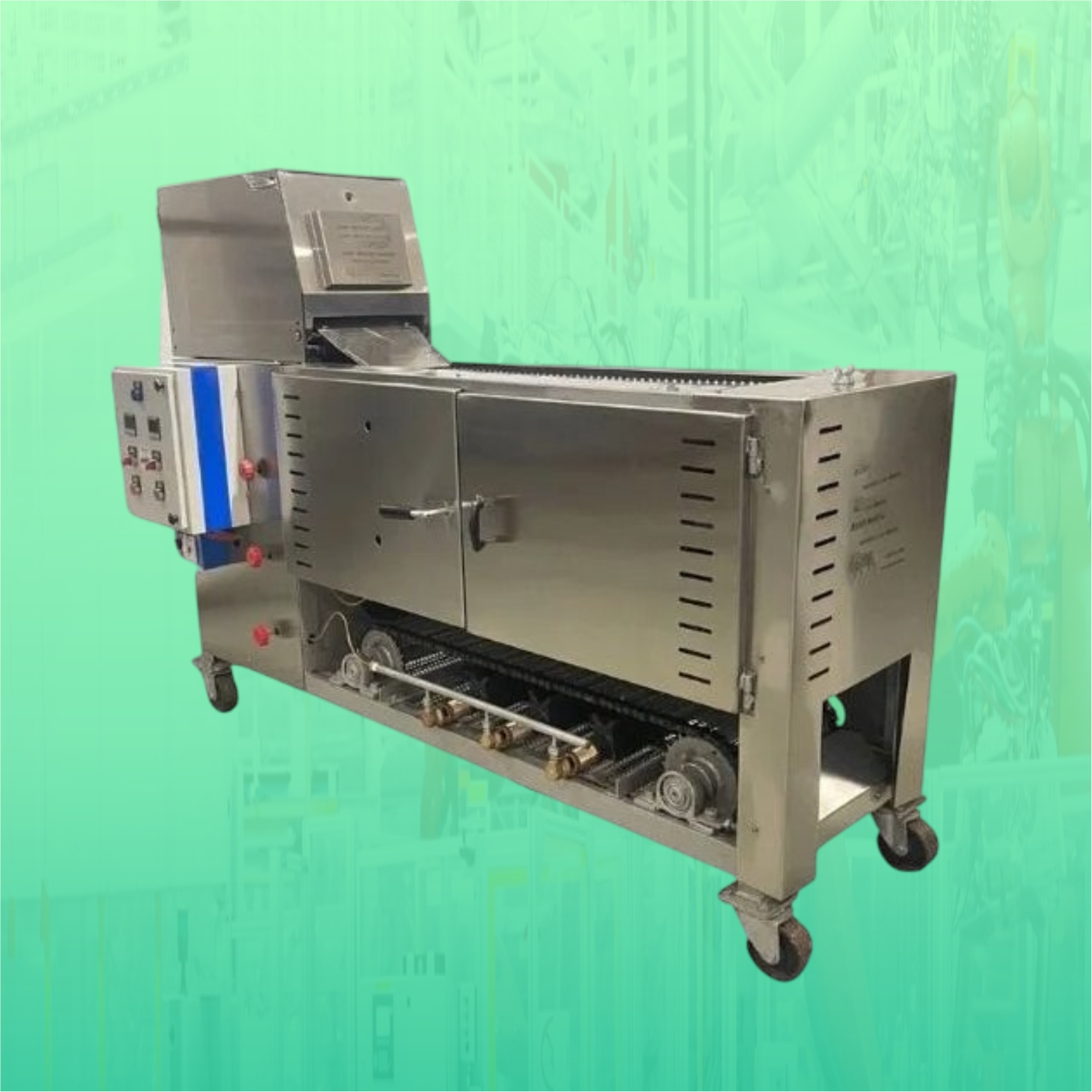
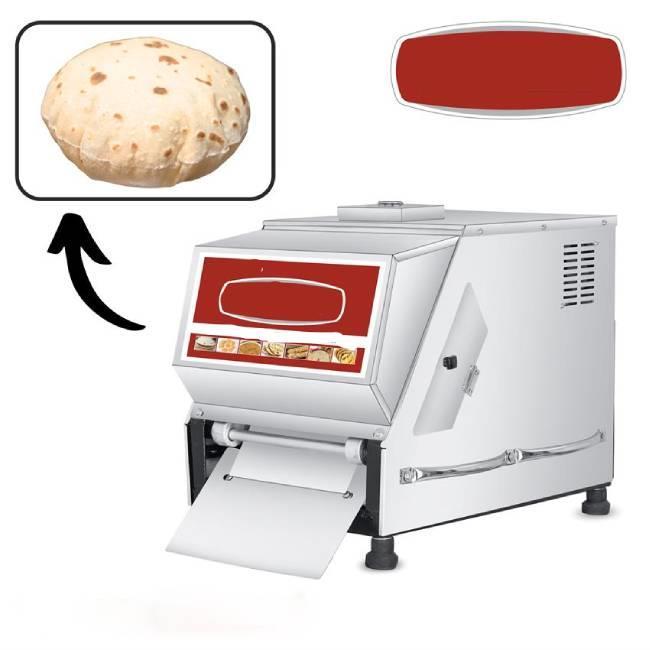
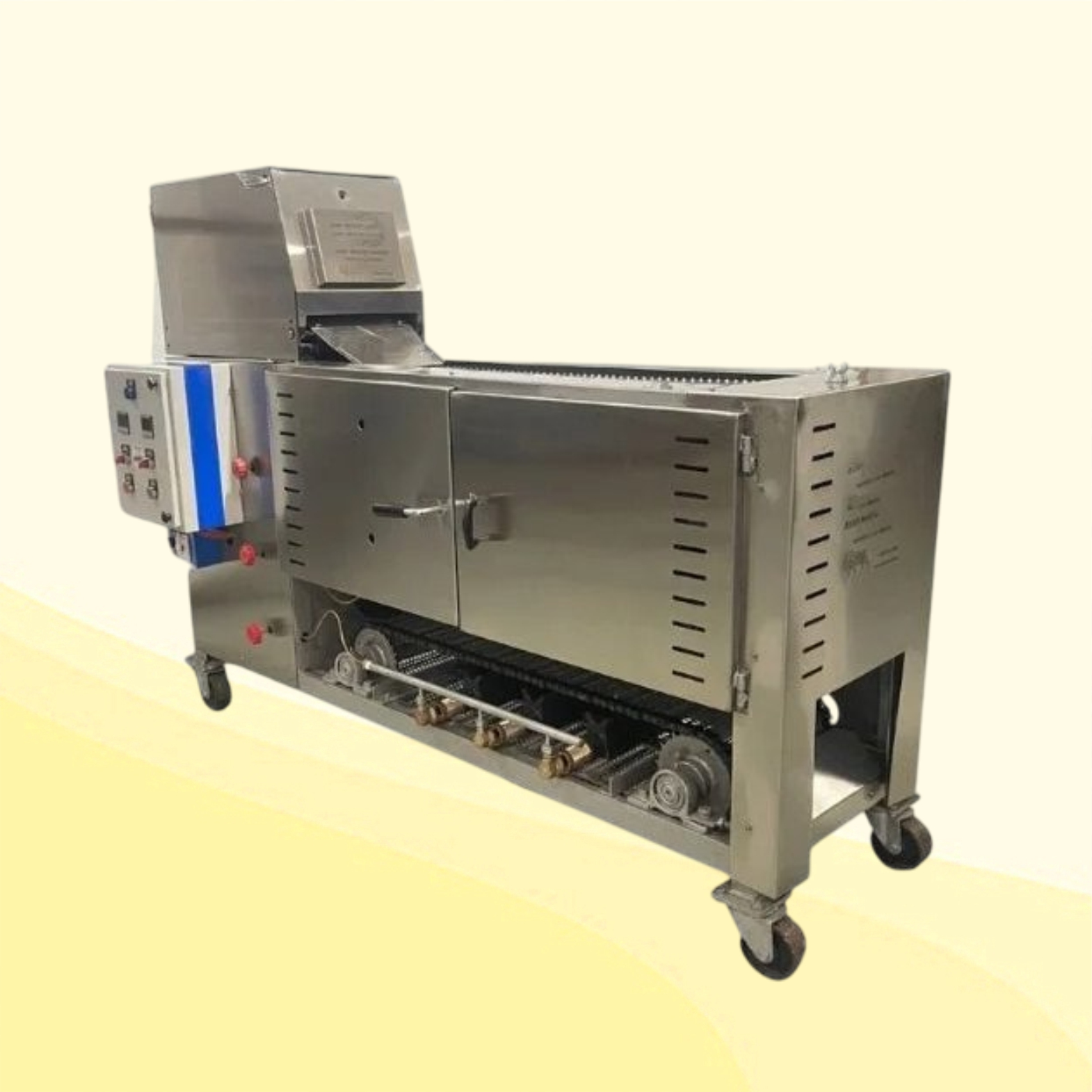
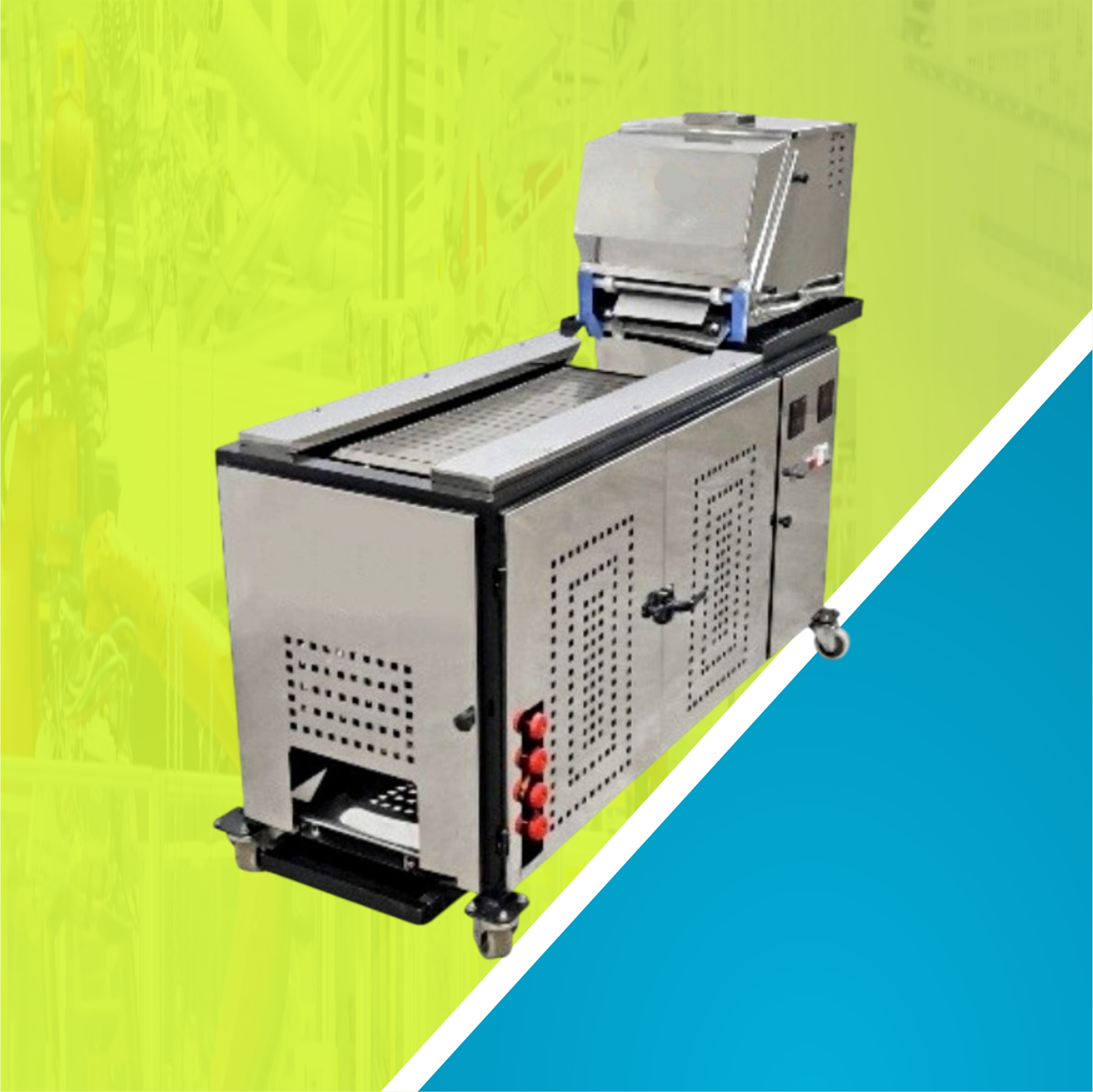
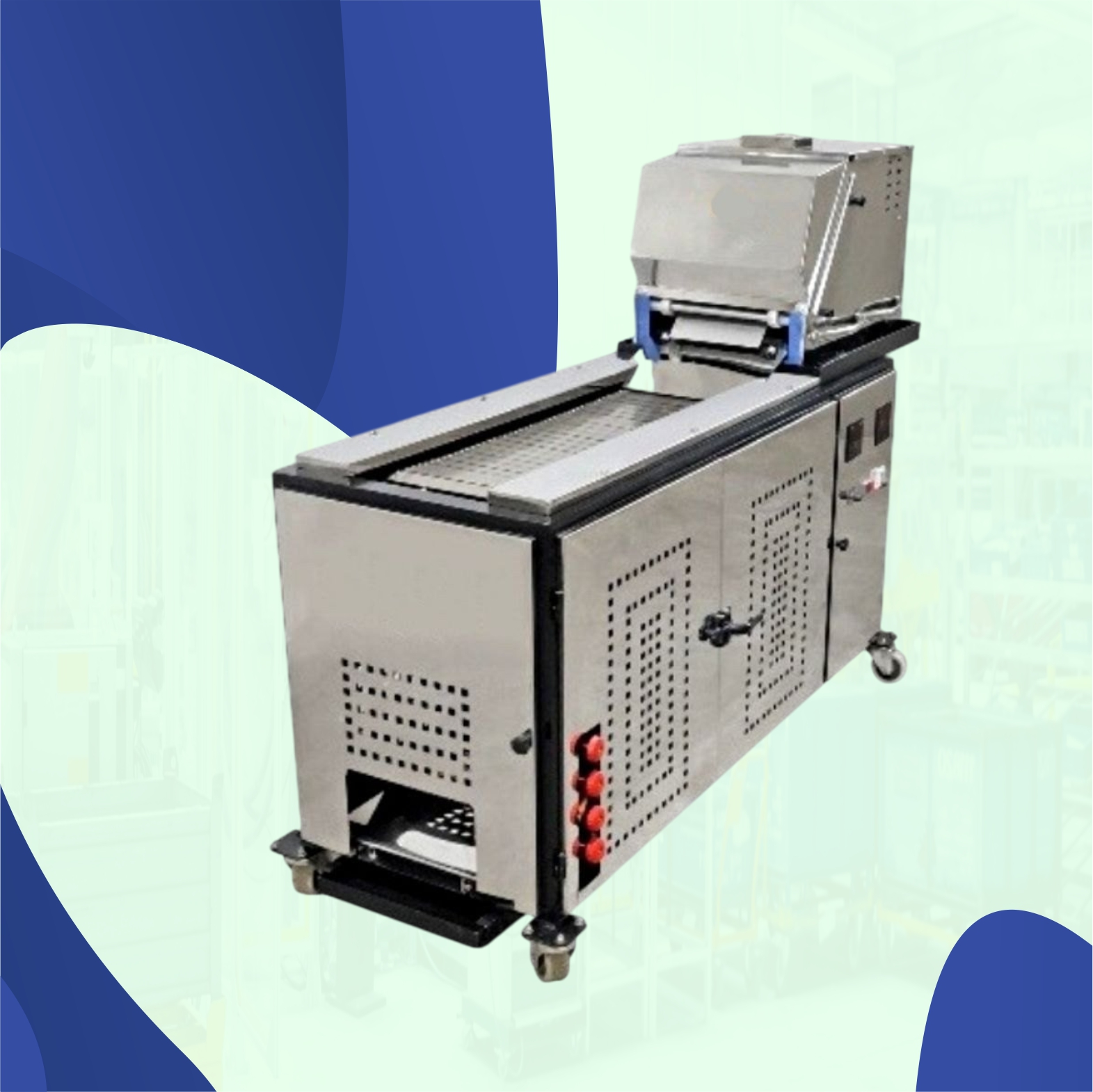
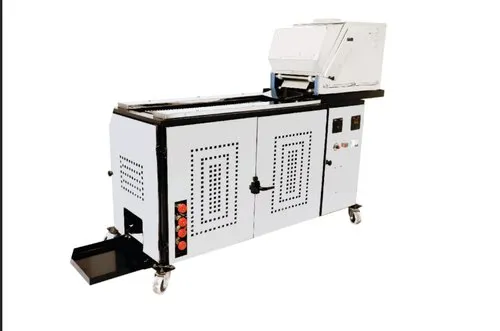
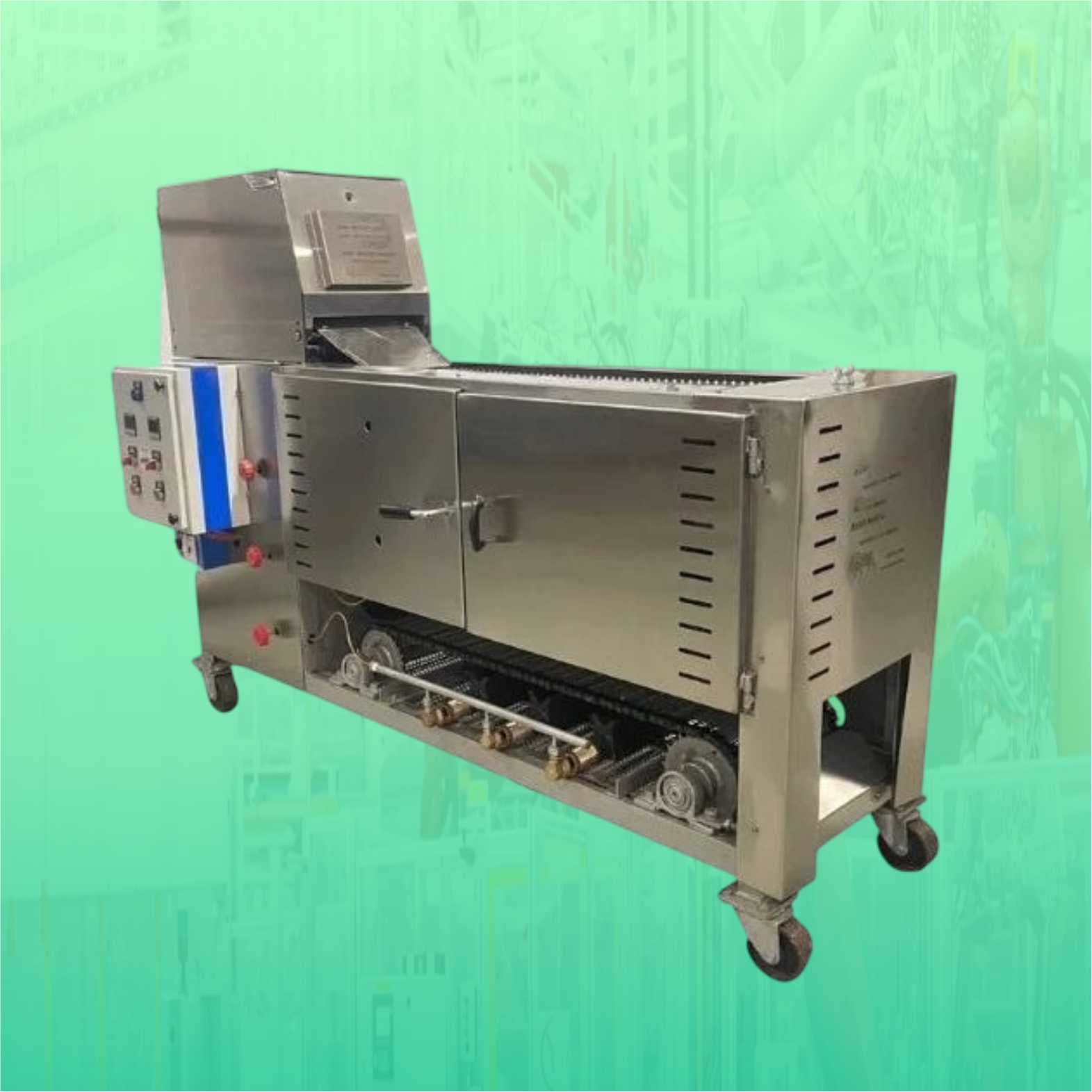
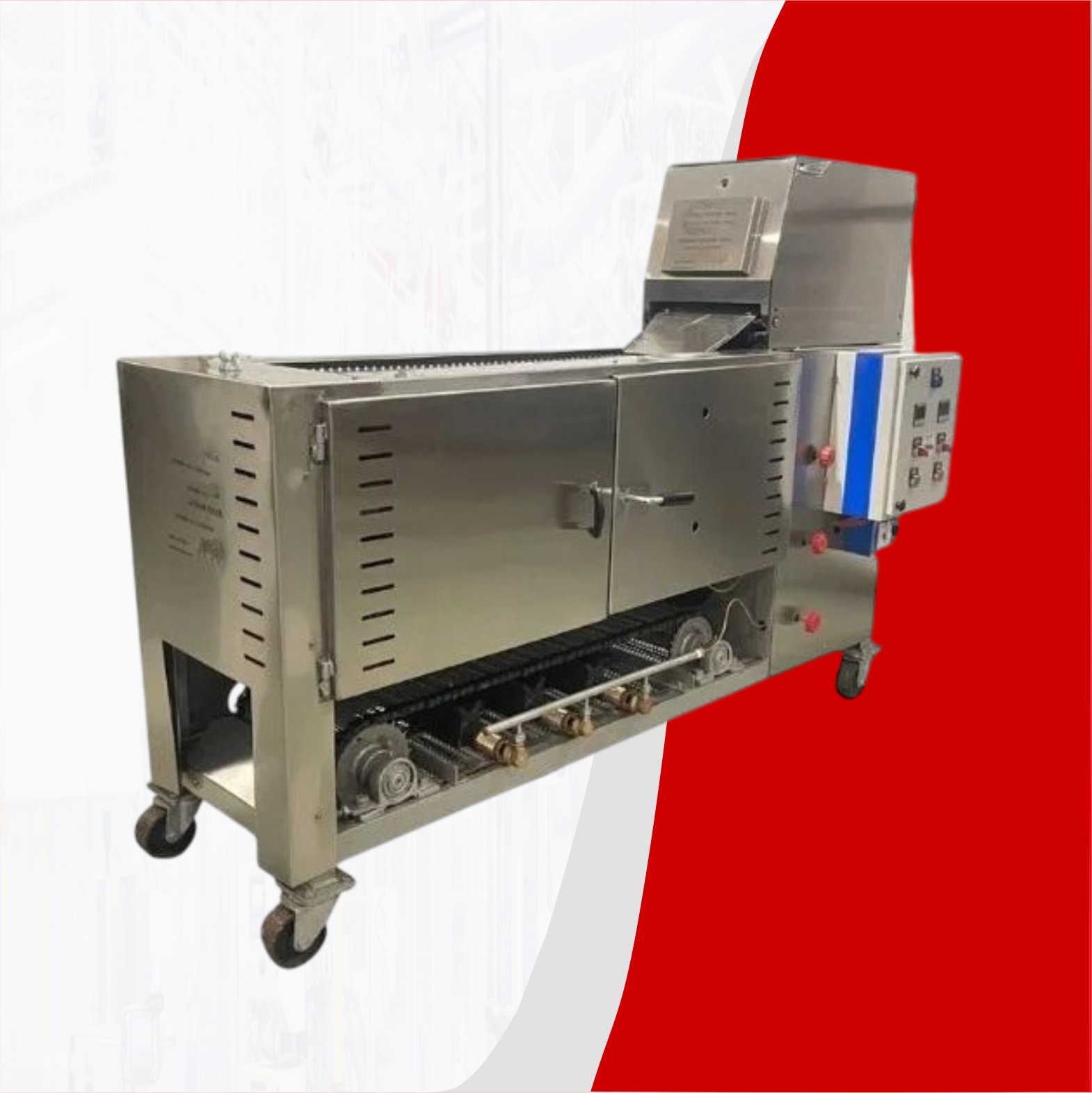
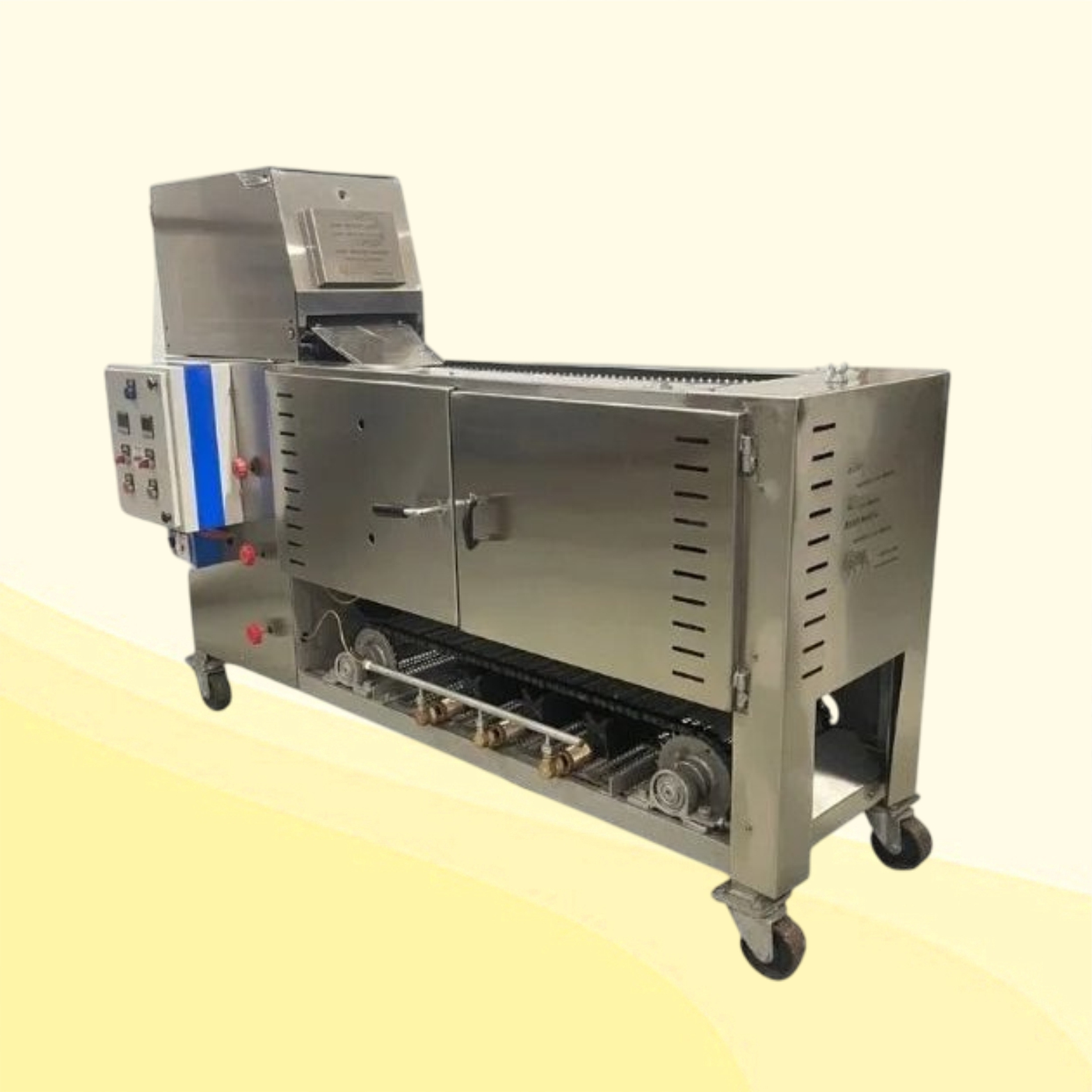
The machine automates the major steps of chapatti production. Once the dough is ready, it is fed into the machine, which portions the dough, flattens it into round chapattis, and cooks them evenly. This continuous process saves valuable time and allows staff to concentrate on other kitchen activities, improving overall workflow.
Q3. What makes automatic chapatti production more reliable than manual preparation?
Manual production often leads to variations in shape, thickness, and cooking quality. An automatic machine follows the same process for every chapatti, ensuring consistent size, texture, and softness. This helps businesses maintain food quality standards and build customer trust through uniform products.
Q4. What are the biggest business benefits of using this machine?
A Chapatti Making Machine increases production capacity, reduces labor dependency, and minimizes dough wastage. It also supports hygienic food preparation because there is less direct handling during the production process. Built with food-grade stainless steel, the machine is durable, easy to clean, and suitable for long-term commercial use.
Q5. Which businesses should invest in a Chapatti Making Machine?
The machine is an excellent choice for restaurants, hotels, industrial canteens, cloud kitchens, catering companies, hospitals, schools, colleges, hostels, central kitchens, corporate cafeterias, food processing units, and entrepreneurs planning to start a chapatti manufacturing business.
Q6. What should you consider before purchasing a Chapatti Making Machine?
Before making your decision, consider the machine's production capacity, power consumption, available workspace, maintenance requirements, and after-sales service. Choosing a machine that matches your business size and daily production needs will help maximize efficiency and return on investment.
Final Answer
An Automatic Chapatti Making Machine is a practical investment for businesses looking to improve productivity, reduce operating costs, and maintain consistent food quality. With faster production, hygienic processing, and reliable performance, it helps commercial kitchens meet growing customer demand while supporting long-term business success.
Buy Now