- kesyaipl2@gmail.com
- Rajdhani Park, Mubarkpur, Delhi, 110041, India
Blogs

Notebook Industry Raw Material Sourcing - Expert Insights
Price: ₹1276924
Sourcing Quality Raw Materials
Notebook manufacturing represents one of the most promising business opportunities in the Indian stationery market today.
Key Aspects and Features
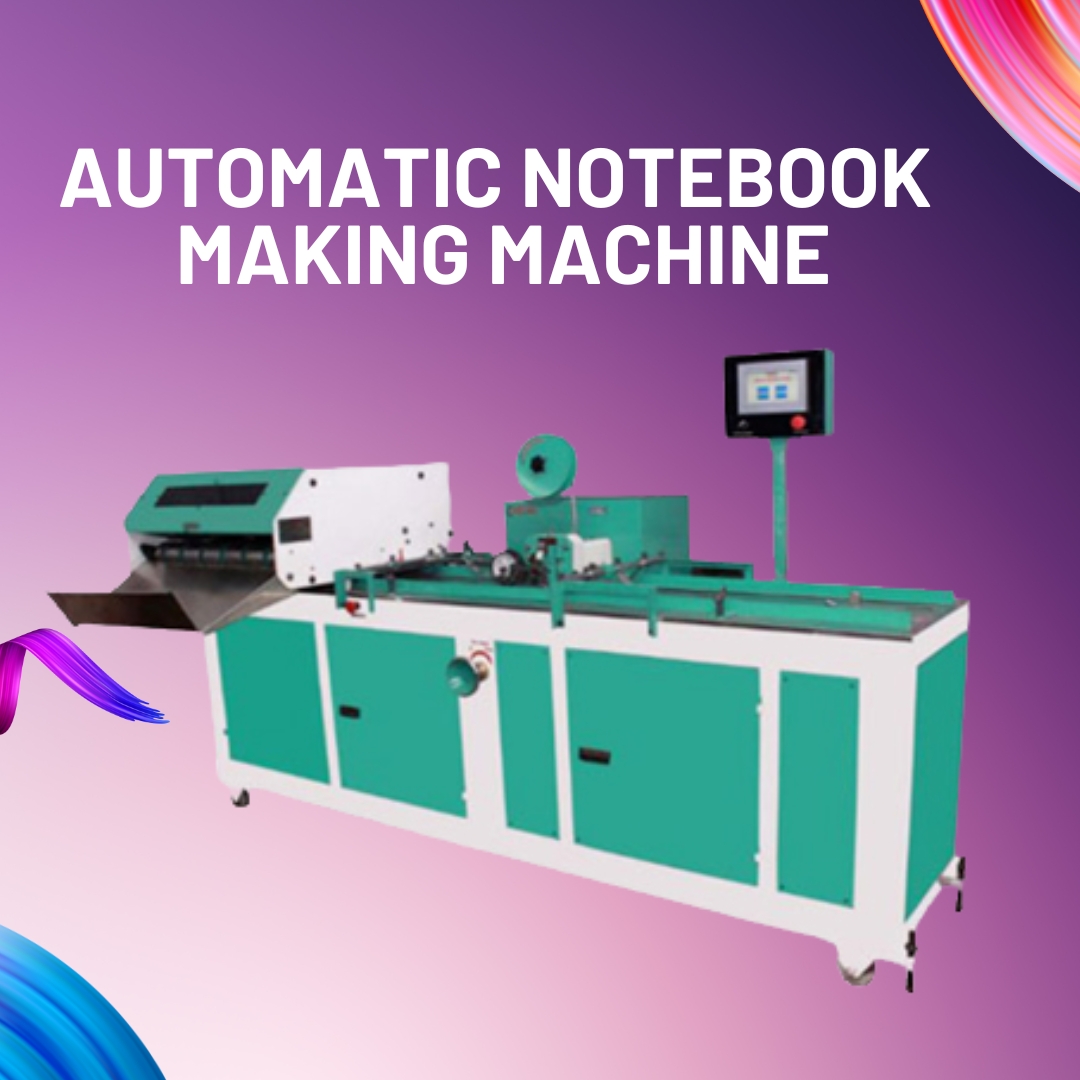
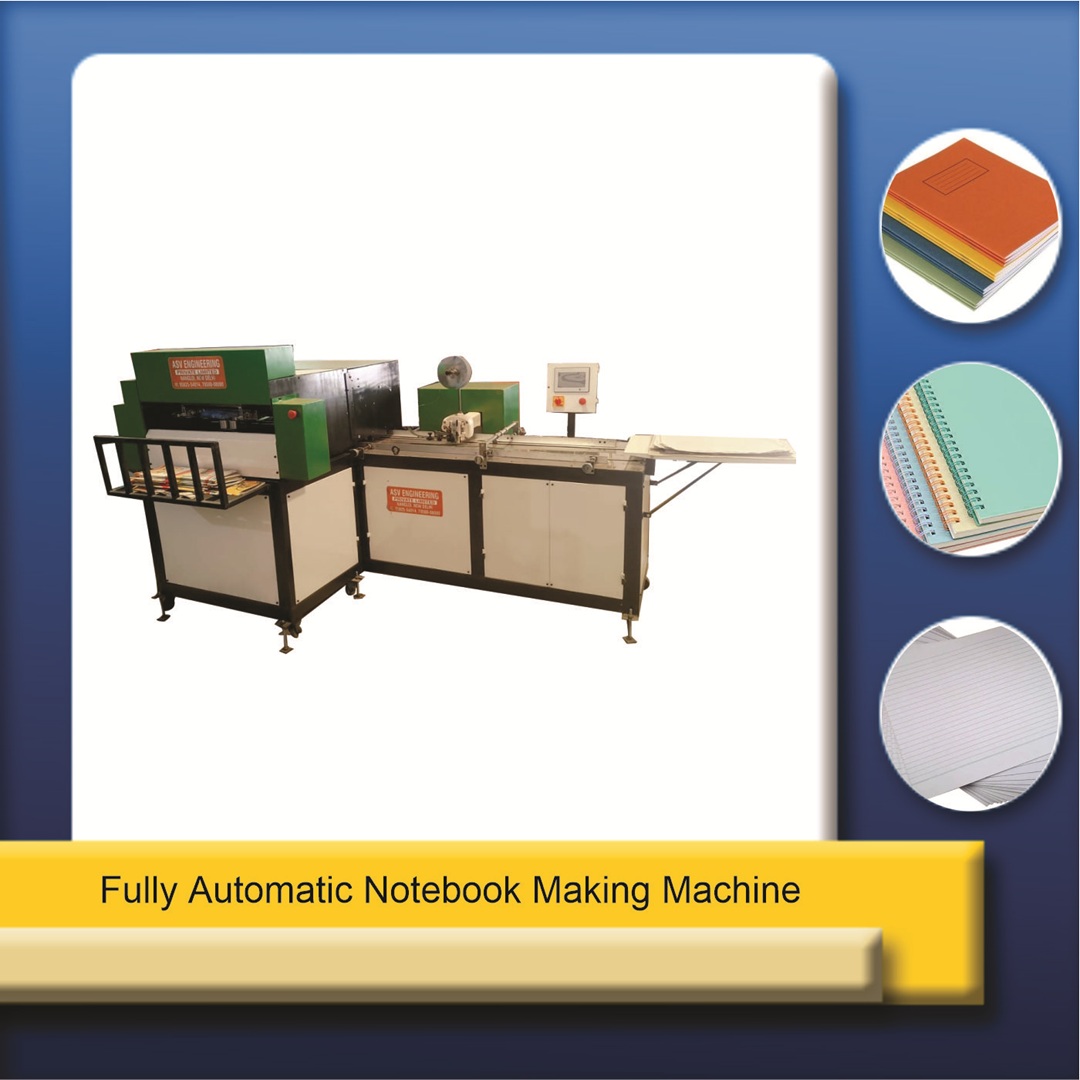
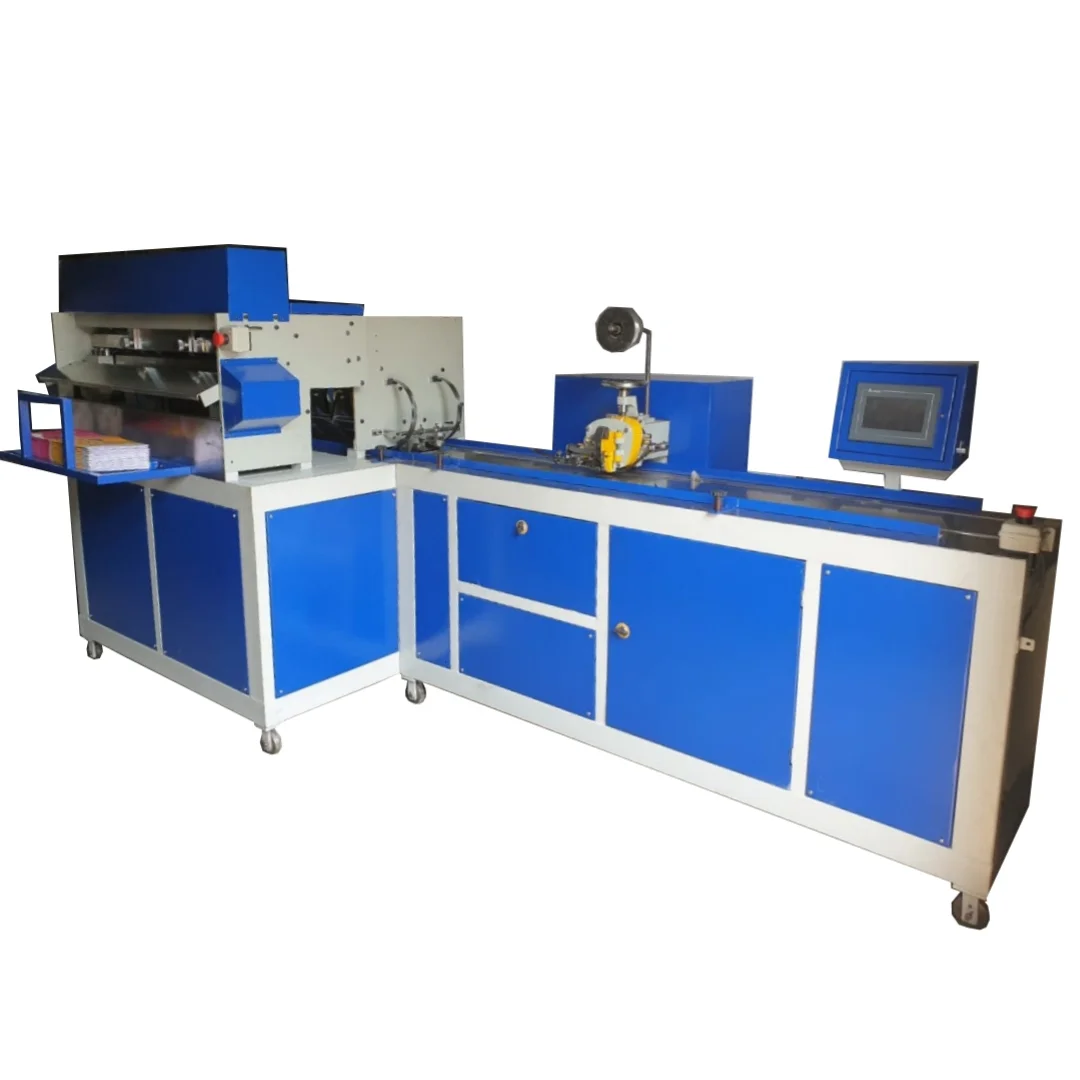
The production capacity of notebook making machines varies widely depending on the machine type and configuration. Manual machines can produce 200 to 500 notebooks per hour, while semi-automatic models achieve 500 to 1500 notebooks per hour. Fully automatic production lines can produce up to 3000 or more notebooks per hour, making them ideal for large scale manufacturers. Choosing the right production capacity based on market demand and investment budget is essential for business success.
Binding is a critical aspect of notebook manufacturing that directly impacts the product quality and customer satisfaction. Common binding methods include side stitching, center stitching, spiral binding, and perfect binding. Each method has its own advantages and is suitable for different types of notebooks. Side stitching is the most common method for standard exercise notebooks, while spiral binding is preferred for premium and professional notebooks.
Business and Market Overview
The environmental benefits of paper notebooks over digital alternatives have become increasingly significant in today's market. Paper notebooks are biodegradable, recyclable, and made from renewable resources. As environmental awareness grows among consumers, the demand for eco friendly notebooks continues to increase. Manufacturers who emphasize sustainability in their production process and marketing can gain a competitive advantage in the market.
The Indian notebook market is valued at several thousand crores and continues to grow at a steady pace every year. This growth is driven by increasing literacy rates, expanding educational institutions, and growing corporate demand for office stationery. Manufacturers who invest in modern notebook making machines are well positioned to capture a significant share of this expanding market, especially with the right pricing and distribution strategies.
Production and Operations
The cover printing process adds visual appeal and branding to notebooks. Modern cover printing can be done using offset printing, digital printing, or screen printing methods. Each method offers different advantages in terms of quality, cost, and production speed. Many manufacturers invest in in house printing capabilities to have greater control over cover design and production timelines.
Conclusion
The future of notebook manufacturing in India looks promising with continued growth in education, expanding corporate sectors, and increasing environmental awareness favoring paper notebooks over digital alternatives. Manufacturers who invest in quality production capabilities today will be well positioned to benefit from these long term market trends.
Buy Now
automatic notebook machine
notebook making business
notebook manufacturing business
notebook making machine manufacturer
notebook machine cost
notebook machine for small business
spiral notebook machine
notebook manufacturing startup
notebook cutting machine
notebook machine price
notebook production line
notebook business profit