- kesyaipl2@gmail.com
- Rajdhani Park, Mubarkpur, Delhi, 110041, India
Blogs

Notebook Machine production capacity in India
Price: ₹1208921
Latest Technology in Notebook Manufacturing
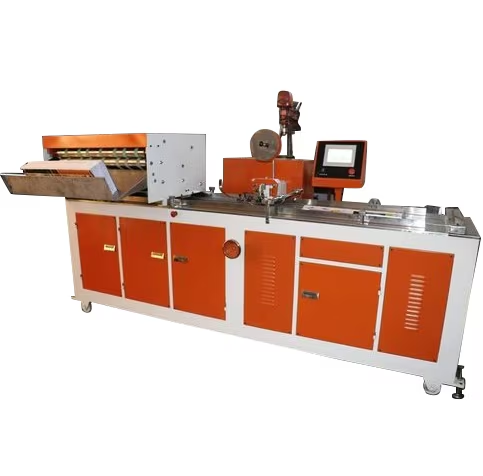
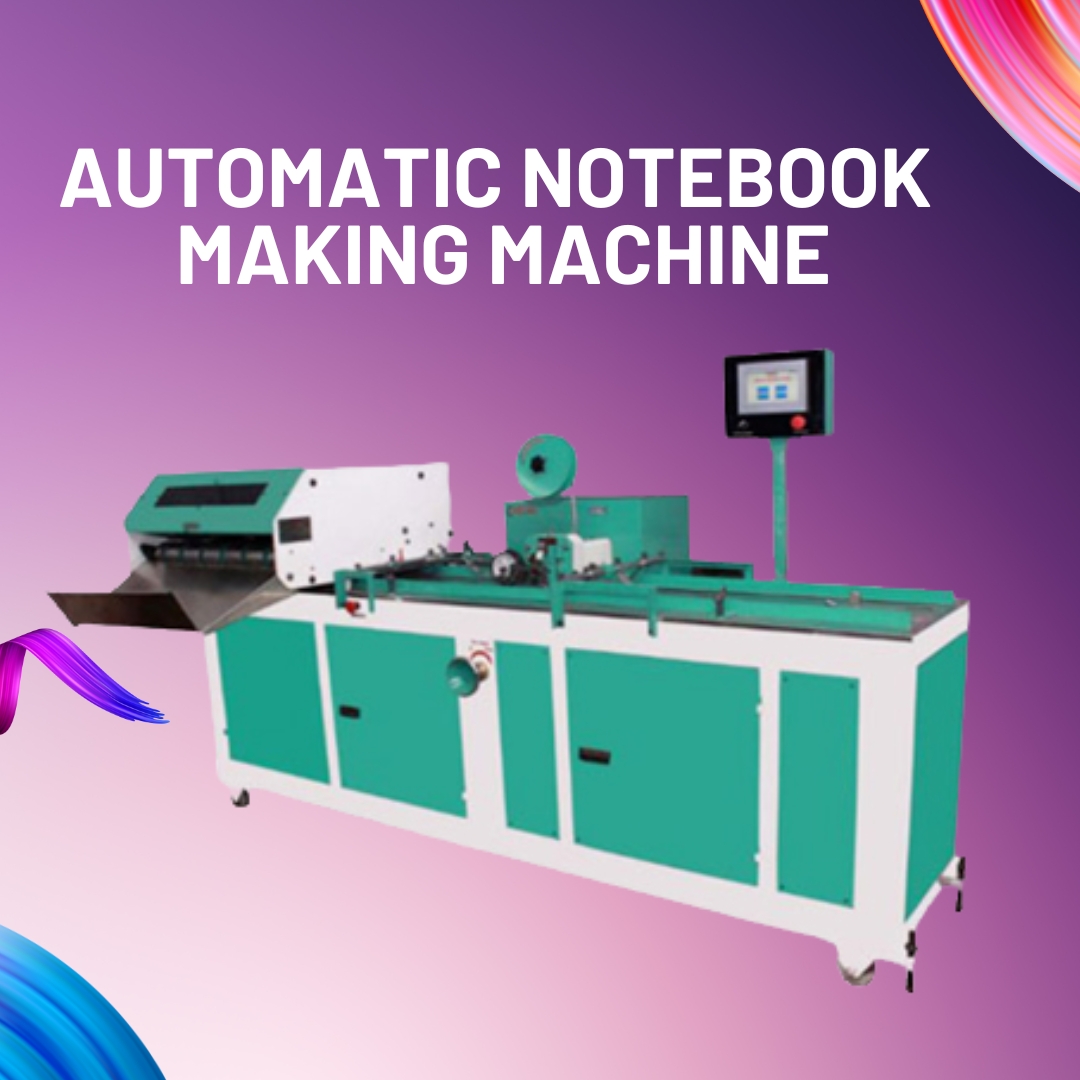
The notebook making machine has become an essential piece of equipment in the rapidly growing stationery manufacturing industry across India.
Key Aspects and Features
The paper cutting process in notebook manufacturing requires precision and consistency to ensure uniform page sizes across all notebooks. Modern cutting machines use sharp hardened steel blades and precision guides to achieve clean accurate cuts. Regular blade maintenance and adjustment is necessary to maintain cutting quality and prevent paper waste.
Spiral binding machines are essential equipment for producing premium notebooks with lay flat functionality. These machines punch holes along the edge of the notebook pages and insert spiral coils through the holes. The spiral binding process creates notebooks that open completely flat, making them ideal for professional and creative applications.
Business and Market Overview
The cover printing process adds visual appeal and branding to notebooks. Modern cover printing can be done using offset printing, digital printing, or screen printing methods. Each method offers different advantages in terms of quality, cost, and production speed. Many manufacturers invest in in house printing capabilities to have greater control over cover design and production timelines.
Innovation in notebook making technology continues to drive improvements in production efficiency, product quality, and operational convenience. Recent innovations include digital printing integration, variable data production, smart quality control systems, and IoT enabled machine monitoring. These technological advancements help manufacturers stay competitive in a rapidly evolving market.
Production and Operations
The raw materials required for notebook manufacturing include various grades of paper, cover material, binding wire, and packaging supplies. Paper typically constitutes the largest portion of the production cost, followed by binding materials and cover stock. Sourcing these materials from reliable suppliers at competitive prices is crucial for maintaining healthy profit margins. Many successful manufacturers establish long term relationships with multiple suppliers to ensure steady supply and better pricing.
Conclusion
The future of notebook manufacturing in India looks promising with continued growth in education, expanding corporate sectors, and increasing environmental awareness favoring paper notebooks over digital alternatives. Manufacturers who invest in quality production capabilities today will be well positioned to benefit from these long term market trends.
Buy Now
notebook machine maintenance
notebook production capacity
exercise notebook machine
notebook binding process
notebook machine for small business
notebook machine price
paper notebook machine
notebook production line
notebook business
notebook machine
notebook making machine
notebook manufacturing startup