- kesyaipl2@gmail.com
- Rajdhani Park, Mubarkpur, Delhi, 110041, India
Blogs

Notebook Production Mastery through cost effectiveness
Price: ₹976126
How to Select the Right Machine
The demand for quality notebooks continues to grow across India, making notebook manufacturing a highly profitable venture for entrepreneurs.
Key Aspects and Features
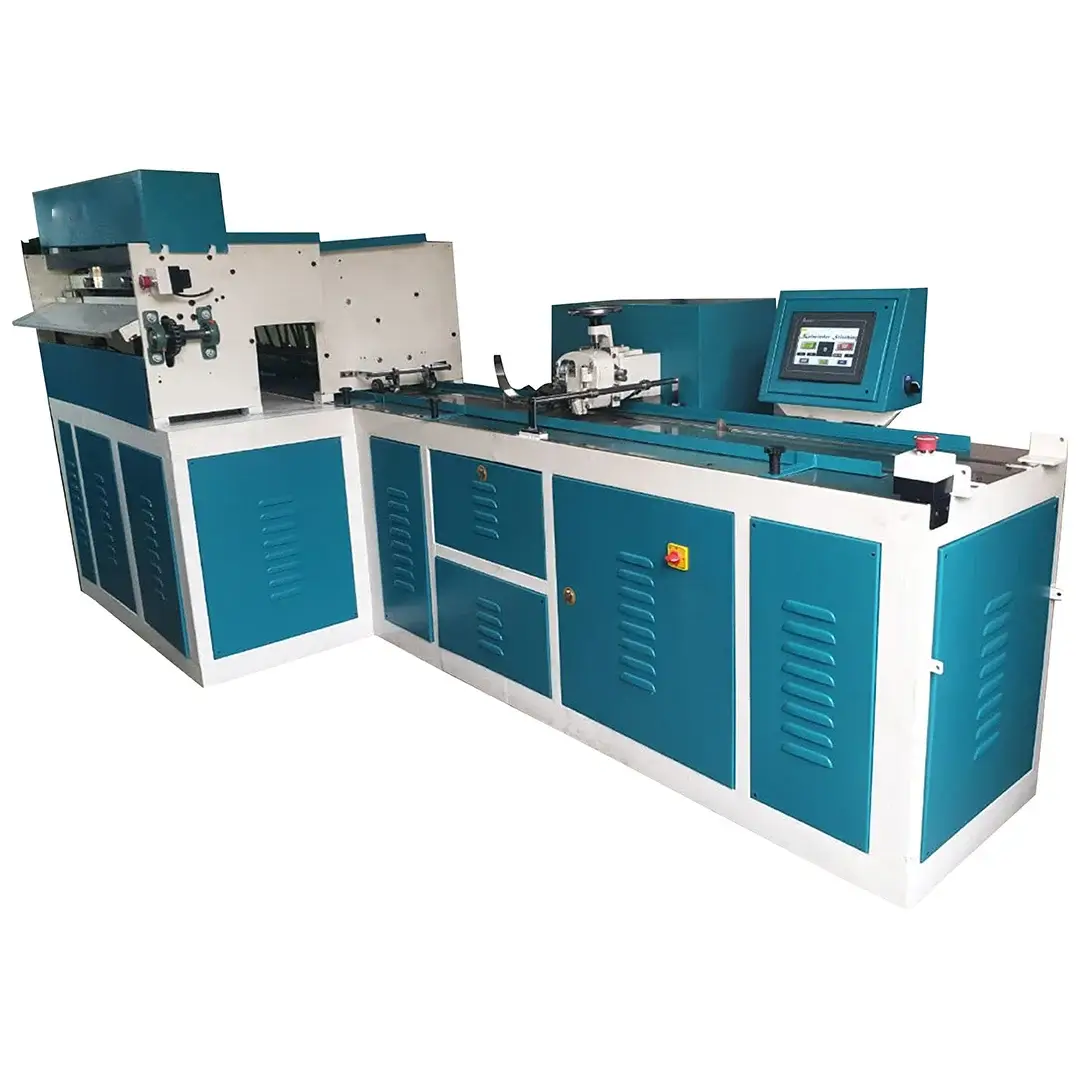
The installation and setup of a notebook making machine requires careful planning and preparation. Adequate space, proper electrical supply, suitable flooring, and appropriate ventilation are essential requirements. Most machine manufacturers provide installation support and initial training to ensure that the machine operates optimally from the start. Following the manufacturer's guidelines for installation and operation helps maximize machine life and performance.
Building a strong distribution network is crucial for the success of a notebook manufacturing business. This includes establishing relationships with wholesalers, retailers, educational institutions, corporate buyers, and online platforms. Many successful manufacturers use a combination of direct sales and distribution channels to maximize market coverage.??Trade fairs and industry exhibitions provide excellent opportunities to connect with potential buyers and distributors.
Business and Market Overview
The return on investment for notebook making machines is typically attractive, with most manufacturers reporting payback periods of 12 to 18 months. The key factors that influence ROI include production volume, raw material costs, selling prices, and operational efficiency. Manufacturers who maintain high machine utilization rates and minimize waste achieve the best returns on their investment.
The notebook making machine market in India is served by numerous manufacturers offering machines at various price points and capabilities. When selecting a machine, buyers should consider factors such as production capacity, build quality, after sales support, spare parts availability, and total cost of ownership. It is advisable to visit manufacturer facilities, request demonstrations, and speak with existing customers before making a purchase decision.
Production and Operations
Wear parts in notebook making machines include cutting blades, binding dies, paper feeding rollers, and heating elements. These components are subject to normal wear during operation and should be replaced at regular intervals to maintain production quality. Maintaining an inventory of critical spare parts minimizes downtime when replacements are needed.
Conclusion
The future of notebook manufacturing in India looks promising with continued growth in education, expanding corporate sectors, and increasing environmental awareness favoring paper notebooks over digital alternatives. Manufacturers who invest in quality production capabilities today will be well positioned to benefit from these long term market trends.
Buy Now
notebook making machine
notebook machine features
notebook business
notebook manufacturing startup
exercise notebook machine
notebook production capacity
notebook cutting machine
notebook cutting and folding
notebook manufacturing process
notebook production
notebook machine maintenance
notebook machine
spiral notebook machine