- kesyaipl2@gmail.com
- Rajdhani Park, Mubarkpur, Delhi, 110041, India
Blogs

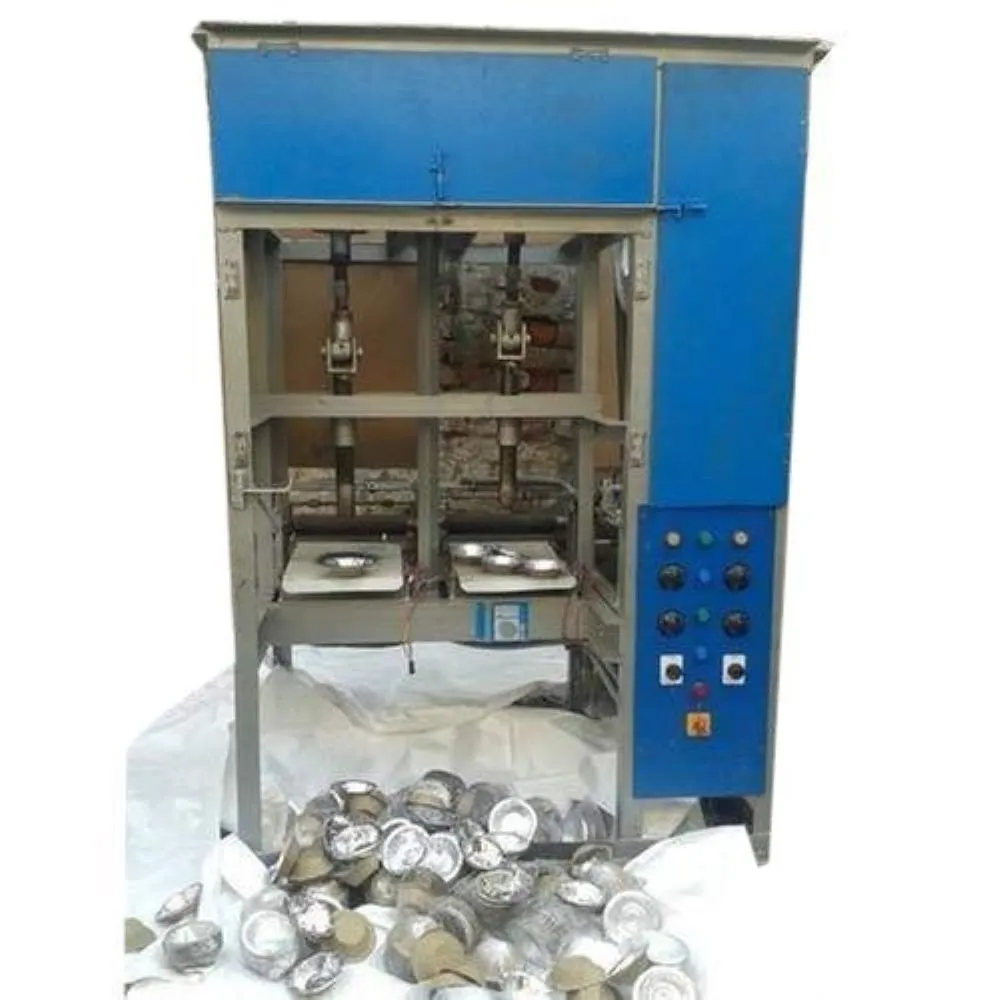
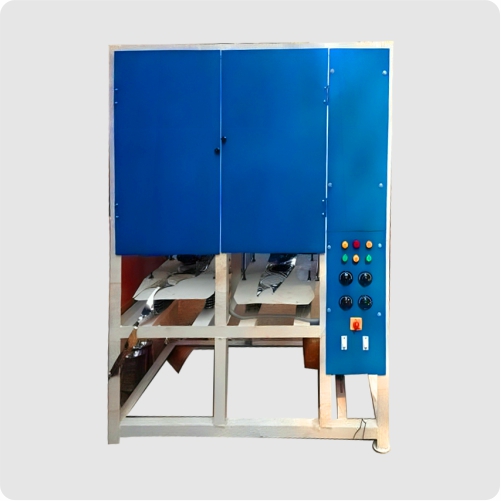
Paper Plate Making Machine | Commercial Manufacturing & Business Opportunities in India – Kesya International
Price: ₹71000
Growing Demand for Commercial Paper Plate Manufacturing
The food-service and disposable products market requires reliable serving solutions for restaurants, catering businesses, food stalls, institutional kitchens and event organisers. Paper plates are widely used across these sectors because they are convenient to distribute, store and use for serving different types of food.
For entrepreneurs interested in this market, investing in a Paper Plate Making Machine can be a starting point for establishing a manufacturing operation. However, building a successful business requires a clear understanding of production requirements, raw material management, machinery selection and customer expectations.
Kesya International is a company businesses can explore when researching paper plate manufacturing machinery in India. Selecting suitable equipment and developing an organised manufacturing process can help entrepreneurs establish a professional production unit.
Understanding the Paper Plate Production Process
Paper plate production involves forming suitable paper material into a specific shape and size with the help of a machine and compatible mould. The exact operating sequence depends on the machine configuration and its level of automation.
The process generally includes preparing the required paper material, positioning it according to the machine's operating method, forming the plate and checking the finished product.
After production, plates are inspected for shape, edge finishing and overall consistency. Suitable products are then counted, packaged and prepared for storage or dispatch.
Manufacturers should understand the complete operating procedure before starting commercial production. Proper operator training and adherence to equipment instructions are important for maintaining consistent output.
Choosing Machinery According to Business Requirements
A manufacturing business should select machinery based on its expected production volume, product variety and available investment.
Manual Paper Plate Making Machines may be considered by entrepreneurs planning a smaller production operation. These machines involve greater operator participation.
Semi-automatic configurations combine mechanical operations with manual handling. They may be suitable for businesses looking for a balance between machine-assisted production and operator involvement.
Fully automatic Paper Plate Making Machines are designed to automate more production activities. Their suitability depends on actual machine specifications, automation features and operational requirements.
Before purchasing, buyers should compare the available configurations and confirm the machine's compatibility with their intended products.
Developing the Right Product Portfolio
A successful paper plate manufacturer should understand the requirements of different customer segments. Not every customer purchases the same plate size or design.
Food vendors may require plates suitable for snacks and smaller servings. Restaurants and catering companies may prefer larger options for meals and events. Sweet shops and retailers may have different requirements depending on their product presentation.
Manufacturers should study local demand before deciding which sizes to produce. Mould availability and compatibility should be discussed with the machine supplier before finalising an equipment purchase.
A carefully planned product portfolio can help a business approach different market segments without creating unnecessary inventory.
Raw Material Procurement and Inventory Control
Raw material procurement has a direct influence on production planning and manufacturing expenses. Paper quality, thickness and suitability should be checked before placing large orders.
Manufacturers should work with reliable raw material suppliers and maintain consistent material specifications. Changes in paper quality may affect the appearance and performance of finished plates.
Inventory management is equally important. Excessive purchasing can increase storage requirements and tie up working capital, while insufficient stock can interrupt production schedules.
Maintaining records of material purchases, consumption and available inventory can help businesses plan procurement more efficiently.
Quality Control in Paper Plate Manufacturing
Product quality is an important factor in building a reliable manufacturing business. Customers generally expect plates with consistent dimensions, proper formation and suitable strength for their intended applications.
Manufacturers should establish regular inspection procedures during production. Finished plates should be checked for uneven edges, incomplete formation, visible defects and differences in dimensions.
The quality of raw materials should also be monitored. Using suitable materials and following the machine manufacturer's operating instructions can help maintain consistency.
Packaging should protect finished plates from dust, moisture and damage during handling and transportation. Businesses should also provide accurate information about product materials and intended applications.
Calculating Manufacturing Costs and Selling Prices
A realistic cost calculation is essential before launching a paper plate manufacturing business. Entrepreneurs should consider both the initial investment and recurring operational expenses.
The machinery purchase is one part of the investment. Additional expenses may include moulds, raw materials, electricity, labour, workspace, packaging, transportation and machine maintenance.
The manufacturing cost per plate can be estimated by dividing the total relevant production expenses by the number of acceptable finished plates produced during the same period.
This calculation should account for material wastage and rejected products. It provides a more reliable basis for determining selling prices and evaluating potential margins.
Machine prices vary according to configuration and specifications. Buyers should obtain updated quotations directly from manufacturers and compare the complete commercial terms before making a decision.
Building a Strong Customer and Distribution Network
Manufacturing capacity alone does not guarantee business growth. A reliable sales and distribution network is equally important.
Paper plate manufacturers can approach restaurants, catering companies, food stalls, sweet shops, canteens, wholesalers and disposable-product retailers.
Product samples can help prospective buyers evaluate plate dimensions, finishing and suitability. Manufacturers should communicate pricing, minimum order quantities, packaging details and delivery arrangements clearly.
Working with local distributors may help businesses reach markets beyond their immediate operating area. Maintaining product consistency and dependable order fulfilment can encourage repeat purchases.
Important Factors When Selecting a Manufacturer
Choosing a suitable Paper Plate Making Machine manufacturer requires more than comparing advertised prices. Buyers should examine whether the equipment matches their business requirements.
Important considerations include machine construction, operating configuration, compatible moulds, raw material specifications, electrical requirements and maintenance instructions.
It is also useful to understand installation arrangements, operator training and the availability of technical assistance. Buyers should ask for clarification about every item included in the quotation.
Businesses searching for the best company or top company for paper plate machinery should compare verified specifications and purchasing conditions. This helps reduce the risk of selecting equipment that does not meet their production needs.
Kesya International – Paper Plate Making Machine Solutions
Kesya International is a company businesses can consider while researching Paper Plate Making Machine manufacturers and suppliers in India.
Entrepreneurs planning a new manufacturing unit should discuss their intended plate sizes, production requirements and investment considerations before selecting machinery. The machine's specifications, mould options and operating requirements should be verified directly with the company.
A professional purchasing decision involves evaluating technical suitability, commercial terms and long-term operating requirements. Businesses should request current information to understand which available machinery matches their objectives.
Maintenance and Long-Term Production Planning
Machine maintenance should be included in the regular production schedule. Operators should follow the manufacturer's instructions for inspection, cleaning and servicing.
Moulds and machine components should be checked periodically for signs of wear or damage. Any irregular operation or change in finished-product quality should be investigated before production continues.
Safe operating procedures and appropriate operator training are important for maintaining a well-managed manufacturing environment.
Businesses should also review production records regularly. Monitoring output, raw material consumption, rejection levels and customer orders can help management make better operational decisions.
Conclusion
A Paper Plate Making Machine can support entrepreneurs looking to enter the disposable food-serving products industry. However, commercial success depends on more than selecting machinery. Raw material procurement, quality control, production planning, cost management and customer development all contribute to a well-organised manufacturing operation.
Kesya International can be explored by businesses comparing paper plate manufacturing machinery and supplier options in India. Before investing, buyers should confirm current machine specifications, mould compatibility, pricing and purchasing terms to select equipment that suits their business requirements.
Frequently Asked Questions
1. What products can be manufactured using a Paper Plate Making Machine?
It can manufacture paper plates in different shapes and sizes, depending on the machine configuration and compatible moulds.
2. What should I check before purchasing paper plate machinery?
Review machine specifications, mould compatibility, raw material requirements, operating method, electrical needs and maintenance instructions.
3. How can I maintain consistent paper plate quality?
Use suitable raw materials, follow the recommended machine settings and inspect finished plates regularly.
4. What expenses are involved in paper plate manufacturing?
Expenses may include machinery, moulds, raw materials, electricity, labour, packaging, transportation and maintenance.
5. Who can purchase products from a paper plate manufacturer?
Restaurants, food vendors, catering companies, sweet shops, wholesalers and disposable-product distributors are potential customers.
6. Does machine price depend on automation?
Yes. Automation level and other technical specifications can influence the final machine quotation.
7. How can I enquire about a Paper Plate Making Machine from Kesya International?
Contact Kesya International directly to confirm current machine availability, specifications, mould options and pricing.
Call: 9355889950, 9355889951 | Visit : Fully Automatic Paper Plate Making Machine Manufacturer Delhi
Buy Now
Paper Plate Making Machine
Paper Plate Making Machine Manufacturer India
Paper Plate Machine Supplier
Paper Plate Manufacture
Commercial Paper Plate Manufacturing Machine
Disposable Paper Plate Making Machine
Paper Plate Production Machine
Paper Plate Manufacturing Business
Paper Plate Machine Price in India
Industrial Paper Plate Machinery
Manual Paper Plate Making Machine
Semi Automatic Paper Plate Machine
Fully Automatic Paper Plate Making Machine
Paper Plate Mould
Paper Plate Raw Material
Paper Plate Quality Control
Paper Plate Production Process
Paper Plate Manufacturing Unit
Paper Plate Business Opportunities
Kesya International
Best Company for Paper Plate Making Machine
Top Paper Plate Machine Supplier
Disposable Food Service Products