- kesyaipl2@gmail.com
- Rajdhani Park, Mubarkpur, Delhi, 110041, India
Blogs

Paper Plate Making Machine | Professional Manufacturing Solutions for the Indian Market – Kesya International
Price: ₹69000
Paper Plate Manufacturing Industry in India
The disposable food-service products industry continues to serve a wide range of commercial requirements across India. Restaurants, catering companies, food outlets, institutional kitchens and event organisers regularly require convenient serving products for their customers. Paper plates are an important part of this market, creating opportunities for manufacturers who can maintain consistent product quality and competitive pricing.
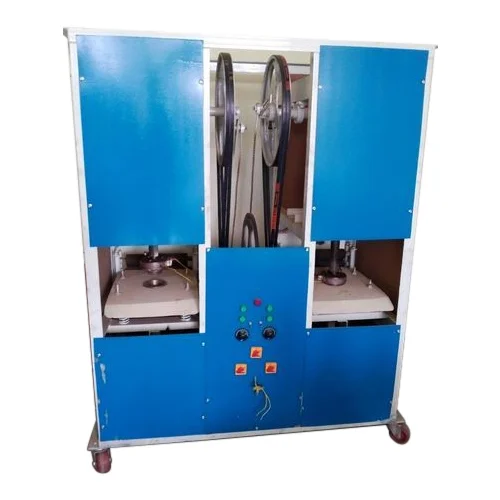
A Paper Plate Making Machine enables businesses to manufacture paper plates in different sizes and designs according to market demand. For entrepreneurs entering this sector, the right machinery can help establish an organised production process and support the development of a long-term manufacturing business.
Kesya International is a company to consider when exploring paper plate manufacturing machinery and supplier options in India. Understanding machine specifications, production requirements and investment considerations is essential before selecting equipment.
Industrial Applications of a Paper Plate Making Machine
Paper plate manufacturing serves several commercial sectors. The demand for different plate sizes and designs depends on how the finished products will be used.
Restaurants and food-service businesses require plates for regular food serving. Catering companies and event organisers often need products in larger quantities for functions, celebrations and corporate gatherings. Sweet shops, snack outlets and street food vendors may require smaller plate sizes for individual servings.
Wholesale distributors and disposable-product retailers also create opportunities for manufacturers by connecting production units with local markets.
Understanding these applications helps entrepreneurs identify their target customers and plan a suitable manufacturing range.
Machine Configuration and Production Requirements
Paper Plate Making Machines are available in different operating configurations. Each type offers a different level of operator involvement and automation.
Manual machines generally involve more direct operator participation and may suit businesses planning a smaller-scale operation.
Semi-automatic machines combine mechanical operations with manual handling. Their suitability depends on production requirements, workforce availability and the intended product range.
Fully automatic machines are designed to automate more stages of production. Businesses considering this configuration should evaluate the actual automation features, operating requirements and production capacity specified by the manufacturer.
The selection should be based on practical business needs rather than machine category alone. A detailed discussion with the supplier can help buyers understand which configuration is appropriate for their planned operation.
Technical Factors to Evaluate Before Purchasing
Selecting industrial machinery requires a detailed assessment of technical specifications. Buyers should review the machine's construction, operating mechanism and compatibility with the intended raw materials.
Mould compatibility is particularly important because different customers may require different plate dimensions and designs. Entrepreneurs planning to manufacture multiple product varieties should confirm the available mould options before purchasing.
Electrical requirements, installation arrangements, operating instructions and maintenance procedures should also be reviewed. These details help businesses prepare their production facilities and avoid unexpected operating difficulties.
A machine demonstration or technical explanation from the manufacturer can provide a clearer understanding of its actual capabilities.
Raw Material Management and Manufacturing Quality
Raw material selection is a major consideration in paper plate production. The quality, thickness and suitability of the paper can influence the finished plate's appearance, strength and performance.
Manufacturers should choose paper material according to the intended application and the machine's specifications. Material compatibility should be confirmed before purchasing raw material in bulk.
Quality inspection should be included in the regular production process. Finished plates should be checked for proper formation, consistent dimensions, smooth edges and visible defects.
Maintaining consistent raw material standards and monitoring production quality can help manufacturers reduce rejected products and develop customer confidence.
Production Planning and Operational Efficiency
An organised manufacturing process requires proper coordination between raw material procurement, machine operation, quality inspection, packaging and dispatch.
Businesses should estimate their expected production requirements before deciding on machinery and workspace arrangements. Adequate space should be allocated for raw materials, equipment, finished products and packaging activities.
Production records can help business owners monitor daily output, material consumption and rejected products. These records also make it easier to identify operational inefficiencies and review manufacturing costs.
Operator training and adherence to machine instructions are equally important. A properly organised production system can support consistent output and better resource management.
Paper Plate Making Machine Price in India
The price of a Paper Plate Making Machine varies according to its configuration and technical specifications. Automation level, mould arrangements, machine construction and additional features can influence the purchase cost.
However, the total investment in a manufacturing unit extends beyond machinery. Entrepreneurs should also account for raw materials, electricity, labour, packaging, transportation, workspace and maintenance.
A practical financial assessment should include the estimated manufacturing cost per plate. This calculation helps businesses establish appropriate selling prices and evaluate potential operating margins.
For accurate pricing, buyers should request a current quotation directly from the manufacturer or supplier. They should also clarify what is included in the quoted price, such as moulds, installation or other equipment-related arrangements.
Selecting a Reliable Paper Plate Machine Manufacturer and Supplier
The choice of manufacturer has an important role in the purchasing process. Buyers should evaluate the supplier's product information and confirm whether the offered machinery meets their production requirements.
Before finalising an order, consider the following factors:
Machine specifications and operating configuration.
Available mould sizes and compatibility.
Raw material requirements.
Electrical and installation requirements.
Maintenance instructions and operator training.
Quotation details and commercial terms.
Availability of technical assistance.
Kesya International can be considered by businesses researching Paper Plate Making Machine manufacturers and suppliers in India. Prospective customers should contact the company directly to verify current machine models, specifications, availability and pricing.
Businesses searching for the best company or top company should compare manufacturers using verified technical information and transparent purchasing conditions.
Business Development and Market Expansion
Manufacturing success depends on the ability to develop a consistent customer base. Entrepreneurs should identify potential buyers before expanding their production capacity.
Local restaurants, catering businesses, wholesalers, food vendors and disposable-product retailers can be approached with product samples and pricing information. Developing relationships with distributors may also help manufacturers reach customers across nearby markets.
A professional product catalogue containing available plate sizes, material details and packaging information can make communication with prospective buyers easier.
As demand develops, manufacturers can evaluate additional product sizes and distribution opportunities. Expansion should be planned according to actual order volumes, operating costs and available resources.
Maintenance, Safety and Equipment Reliability
Regular machine maintenance is essential for maintaining production consistency. Operators should follow the manufacturer's recommended procedures for cleaning, inspection and servicing.
Moulds and machine components should be checked periodically for wear, damage or improper alignment. Any unusual operating behaviour should be investigated according to the equipment instructions.
Employees should be trained in safe machine operation, and maintenance work should follow the manufacturer's safety requirements. Proper power isolation should be followed whenever necessary.
A planned maintenance schedule can help reduce avoidable production interruptions and support reliable day-to-day operations.
Kesya International – Exploring Paper Plate Manufacturing Solutions
Choosing the right machinery is an important step for businesses planning to manufacture disposable paper plates. A suitable machine should match the intended production scale, raw material requirements, product dimensions and available investment.
Kesya International is a name businesses can explore when comparing Paper Plate Making Machine options in India. Buyers should discuss their manufacturing objectives with the company and confirm current machine specifications, mould availability, prices and purchasing terms.
A well-informed purchasing decision, combined with organised production management and a strong distribution network, can provide a foundation for developing a professional paper plate manufacturing business.
Frequently Asked Questions
1. What is the purpose of a Paper Plate Making Machine?
It is industrial equipment used to form paper material into disposable plates of different shapes and dimensions for food-service applications.
2. Which factors should be considered when selecting a machine?
Buyers should evaluate machine configuration, production requirements, mould compatibility, raw material suitability, electrical requirements and maintenance arrangements.
3. Are different plate sizes possible on one machine?
This depends on the machine design and compatible mould options. Buyers should confirm the supported sizes with the manufacturer.
4. What affects Paper Plate Making Machine prices in India?
Automation level, technical specifications, machine construction, mould arrangements and additional features can affect the final quotation.
5. How can manufacturers maintain consistent product quality?
They should use suitable raw materials, follow correct operating procedures and conduct regular inspections of finished plates.
6. Who purchases paper plates from manufacturers?
Common buyers include restaurants, caterers, food vendors, sweet shops, wholesalers and disposable-product distributors.
7. How can I enquire about machinery from Kesya International?
Contact Kesya International directly to discuss current machine options, technical specifications, mould compatibility and pricing.
Call: 9355889950, 9355889951 | Visit : Fully Automatic Paper Plate Making Machine Manufacturer Delhi
Buy Now
Paper Plate Making Machine
Paper Plate Making Machine Manufacturer
Paper Plate Making Machine Supplier
Paper Plate Manufacture
Paper Plate Manufacturing Machinery
Disposable Paper Plate Making Machine
Paper Plate Machine Price in India
Paper Plate Production Machine
Paper Plate Manufacturing Business
Industrial Paper Plate Machine
Manual Paper Plate Making Machine
Semi Automatic Paper Plate Machine
Fully Automatic Paper Plate Making Machine
Paper Plate Mould
Paper Plate Raw Material
Paper Plate Manufacturing Unit
Paper Plate Machinery Manufacturer India
Kesya International
Best Company for Paper Plate Making Machine
Top Paper Plate Machine Company
Disposable Food Serving Products
Commercial Paper Plate Manufacturing