- kesyaipl2@gmail.com
- Rajdhani Park, Mubarkpur, Delhi, 110041, India
Blogs

Paper Plate Making Machine Supplier | Complete Machinery Solutions for Indian Businesses – Kesya International
Price: ₹79000
Reliable Machinery for Paper Plate Manufacturing
The disposable paper products industry provides manufacturing opportunities for entrepreneurs, small businesses and established commercial units. Paper plates are used by restaurants, catering companies, food vendors, sweet shops, event organisers and institutional kitchens. These customers require products in different sizes and quantities, creating opportunities for manufacturers and distributors across India.
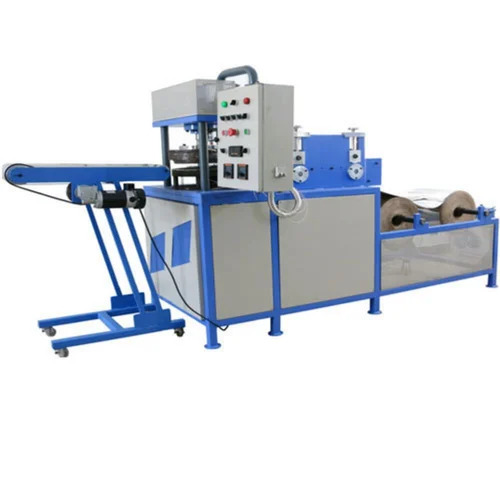
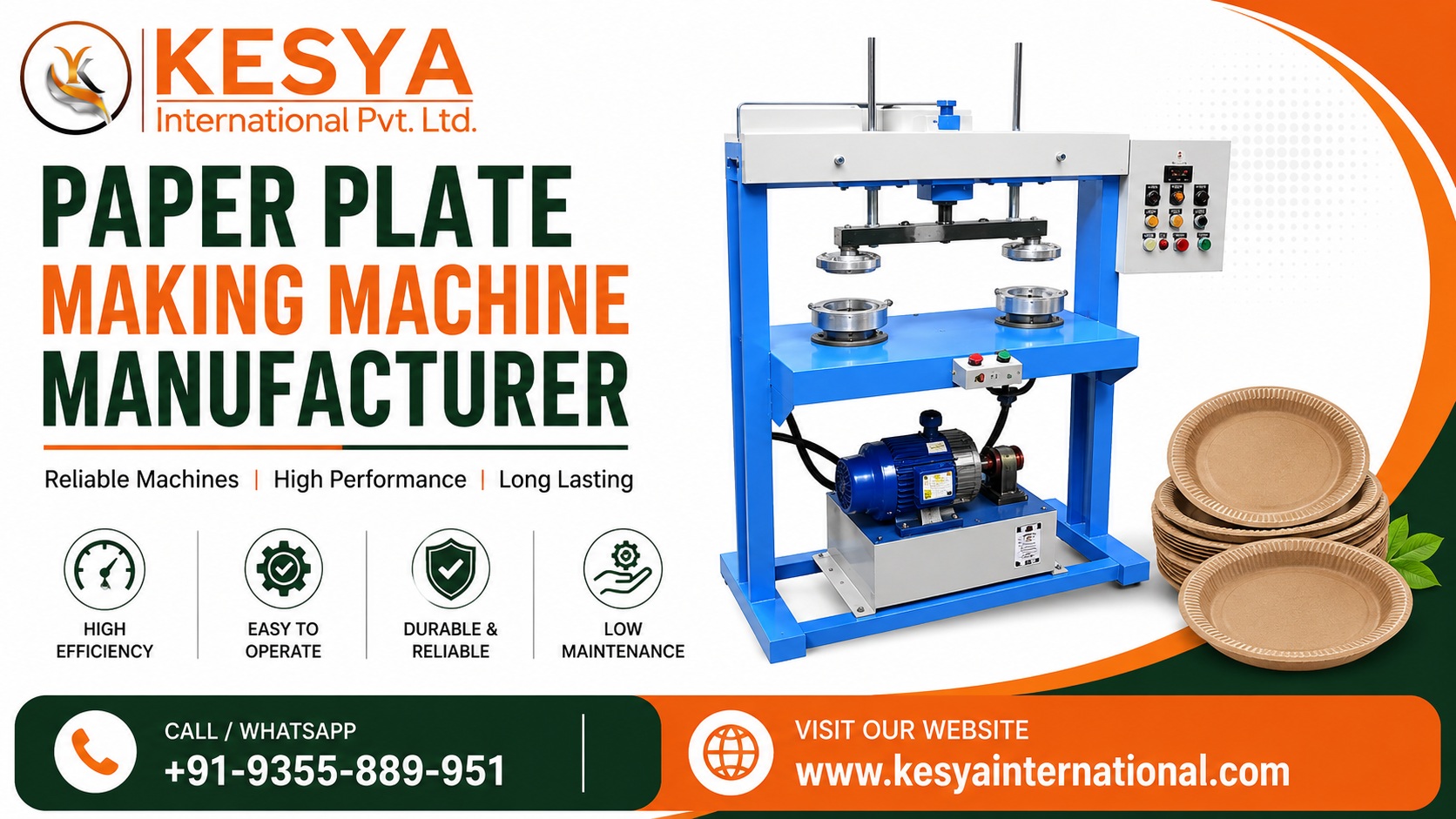
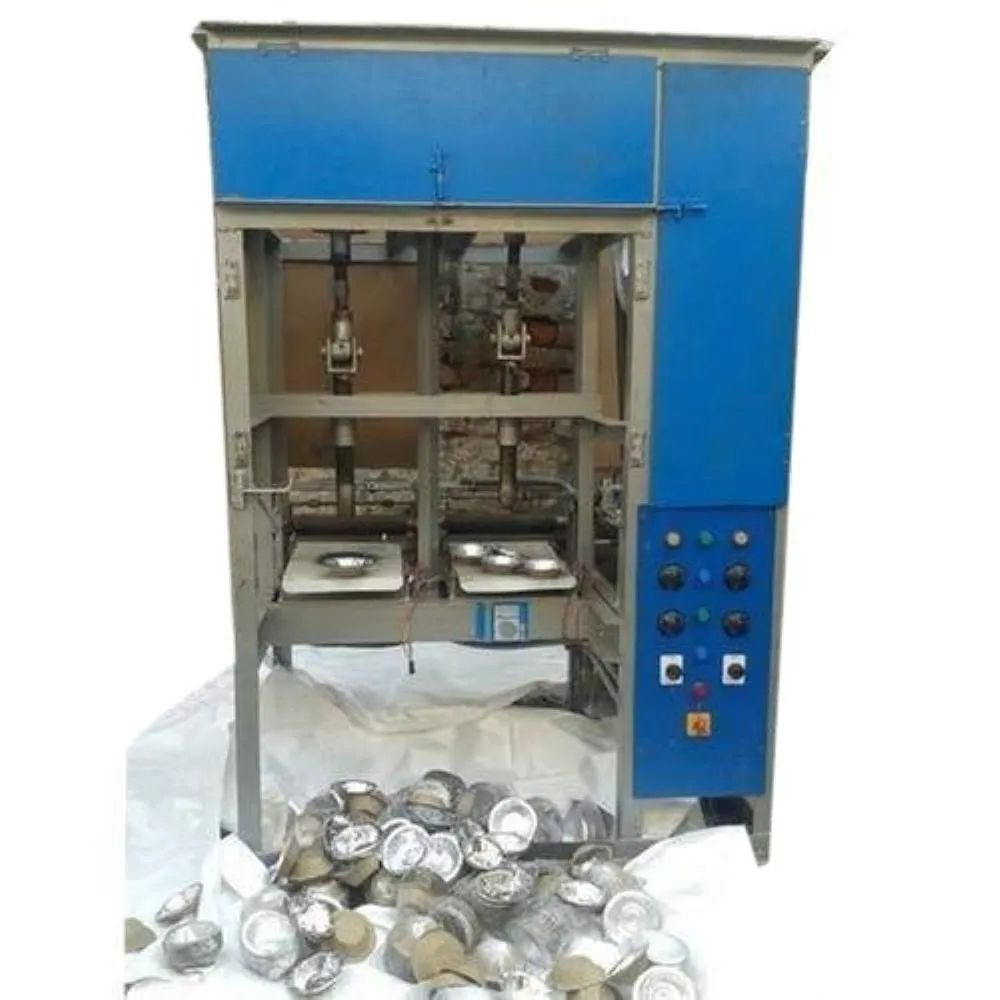
A Paper Plate Making Machine is essential equipment for businesses planning to manufacture disposable paper plates commercially. Selecting suitable machinery requires an understanding of production requirements, mould compatibility, raw material specifications and operating expenses.
Kesya International is a company businesses can explore when looking for Paper Plate Making Machine supplier options in India. A careful evaluation of machinery and commercial requirements can help buyers make informed purchasing decisions.
Why Supplier Selection Matters in Machinery Purchasing
Choosing a suitable machinery supplier is an important part of establishing a manufacturing unit. The equipment must match the business's production objectives and the type of paper plates it intends to manufacture.
A supplier should provide clear information about machine specifications, operating methods, mould compatibility and electrical requirements. Buyers should also understand the commercial terms and any arrangements relating to installation, training or technical assistance.
Comparing different suppliers helps entrepreneurs understand the available machinery options. Instead of focusing exclusively on the purchase price, buyers should consider the equipment's suitability for their planned manufacturing activities.
Understanding Paper Plate Making Machine Configurations
Paper plate manufacturing machines are available in different operating configurations. The appropriate choice depends on production volume, investment capacity and the level of automation required.
Manual machines involve greater operator participation and may suit businesses planning a smaller production setup.
Semi-automatic machines combine machine-assisted operations with manual handling. They can be evaluated by businesses looking for a balance between equipment operation and workforce involvement.
Fully automatic machines are designed to automate more stages of production. Buyers should examine the actual automation features, operating requirements and manufacturer-provided production specifications before selecting this configuration.
Each option should be assessed according to the intended business model rather than assuming that one machine type is suitable for every manufacturer.
Mould Compatibility and Product Requirements
Mould selection is an important part of paper plate manufacturing. The mould determines the dimensions and shape of the finished product.
Different customers may require plates for snacks, sweets, meals or catering applications. Manufacturers should identify their target market before deciding which sizes and designs to produce.
Before purchasing a machine, buyers should confirm the compatible mould options with the supplier. They should also clarify whether additional moulds are available and what changes, if any, are required to use different sizes.
Understanding these details in advance can help businesses plan their product range more effectively.
Raw Material Selection and Supply Planning
The quality of raw material influences the appearance, strength and performance of finished paper plates. Manufacturers should evaluate paper thickness, material consistency and suitability for the intended application.
Material specifications should be compatible with the machine's operating requirements. Buyers should confirm the recommended paper material before purchasing bulk inventory.
Businesses should also establish a reliable procurement arrangement. Regular availability of suitable raw material can support production planning and reduce interruptions.
Proper storage is equally important. Paper material should be protected from moisture, dust and damage. Maintaining inventory records can help manufacturers monitor consumption and schedule future purchases.
Setting Up a Commercial Paper Plate Production Unit
Establishing a manufacturing unit requires proper planning of space, machinery, workforce and material storage.
The production area should provide adequate space for operating the machine safely. Separate arrangements for raw material, finished plates and packaging can make the workflow more organised.
Electricity requirements should be checked against the machine specifications. Operators should understand the working procedure and safety instructions before starting production.
Entrepreneurs should also consider the availability of transport facilities and access to their target customers. These factors can influence the overall efficiency of the business.
Paper Plate Making Machine Price and Purchasing Budget
The price of a Paper Plate Making Machine depends on several factors, including machine configuration, automation level, construction, mould options and technical specifications.
However, buyers should calculate the complete investment required to start production rather than considering only the machinery cost.
Other expenses may include raw materials, electricity, labour, packaging, transportation, workspace preparation and maintenance.
A practical financial plan should also estimate the manufacturing cost per plate. This calculation should include material consumption and production wastage.
For accurate pricing, entrepreneurs should request an updated quotation from the supplier and confirm the equipment, accessories and services included in the offer.
Production Management and Quality Assurance
Consistent product quality is important for building a dependable customer base. Manufacturers should monitor the production process and inspect finished plates regularly.
Quality checks can include plate dimensions, shape, edge finishing, visible defects and overall consistency. Raw material should also be inspected before being used in production.
Production records help business owners monitor daily output, material consumption and rejected products. Reviewing this information can help identify areas where the manufacturing process needs improvement.
Packaging should protect finished products during storage and transportation. Accurate product information and consistent quality can help establish confidence among commercial buyers.
Finding Buyers and Developing Distribution Channels
A paper plate manufacturing business needs an organised sales strategy. Manufacturers can approach restaurants, caterers, sweet shops, food stalls, canteens and wholesale distributors.
Local market research helps identify the products that potential customers require. Businesses can introduce samples and provide clear information about available sizes, material specifications and packaging quantities.
Wholesale partnerships may help manufacturers reach customers in multiple locations. Online business listings and product catalogues can also support enquiry generation.
Developing repeat customers requires consistent product quality, transparent pricing and dependable order fulfilment.
Kesya International – Exploring Paper Plate Machinery Options
Kesya International is a company businesses can consider when researching Paper Plate Making Machine supplier options in India.
Entrepreneurs planning a new manufacturing unit should discuss their expected production requirements, preferred plate sizes and machinery needs with the company.
Before finalising an order, buyers should verify current machine availability, technical specifications, mould compatibility, pricing and commercial terms directly with Kesya International.
A suitable machinery purchase should be based on verified product information and the specific requirements of the manufacturing business.
Machine Maintenance and Operational Safety
Regular maintenance supports reliable equipment operation and helps businesses manage production interruptions.
Operators should follow the maintenance procedures provided by the manufacturer. Moulds and machine components should be inspected periodically for wear, damage or alignment issues.
Any unusual sound, movement or variation in finished-product quality should be investigated according to the machine's operating instructions.
Employees should receive appropriate training, and cleaning or servicing should follow the recommended safety procedures. A planned maintenance schedule can support more consistent manufacturing operations.
Conclusion
A Paper Plate Making Machine can help entrepreneurs establish a business in the disposable paper products industry. However, selecting the right supplier and understanding the machinery's technical requirements are essential parts of the purchasing process.
From mould compatibility and raw material planning to production quality and customer development, each stage contributes to the long-term performance of a manufacturing unit.
Kesya International can be explored by businesses comparing Paper Plate Making Machine suppliers in India. Buyers should confirm current specifications, pricing and purchasing conditions before choosing machinery for their manufacturing requirements.
Frequently Asked Questions
1. What should I check when selecting a Paper Plate Making Machine supplier?
Review machine specifications, mould compatibility, operating requirements, pricing and available purchasing support.
2. Which machine configuration should a new business choose?
The choice depends on production requirements, available investment, workforce and the desired level of automation.
3. Can one machine manufacture different plate sizes?
This depends on the machine design and compatible mould options. Confirm supported sizes with the supplier.
4. What raw materials are required for paper plate production?
Suitable paper material is required, with specifications based on the intended product and machine requirements.
5. What additional expenses should I consider?
Consider raw materials, electricity, labour, packaging, transportation, workspace and routine maintenance.
6. How can manufacturers maintain product quality?
Regular raw material inspection, correct machine operation and finished-product quality checks help maintain consistency.
7. How can I enquire about machinery from Kesya International?
Contact Kesya International directly to confirm current machine models, specifications, mould availability and pricing.
Call: 9355889950, 9355889951 | Visit : Fully Automatic Paper Plate Making Machine Manufacturer Delhi
Buy Now
Paper Plate Making Machine
Paper Plate Making Machine Supplier
Paper Plate Machinery Supplier India
Paper Plate Manufacture
Disposable Paper Plate Machine
Commercial Paper Plate Making Machine
Industrial Paper Plate Machinery
Paper Plate Machine Price
Paper Plate Production Equipment
Paper Plate Manufacturing Business
Manual Paper Plate Machine
Semi Automatic Paper Plate Making Machine
Fully Automatic Paper Plate Machine
Paper Plate Mould
Paper Plate Raw Material
Paper Plate Manufacturing Unit
Paper Plate Production Process
Paper Plate Quality Control
Paper Plate Wholesale Business
Kesya International
Paper Plate Machine Purchasing
Paper Plate Machinery Solutions
Paper Plate Industry India