- kesyaipl2@gmail.com
- Rajdhani Park, Mubarkpur, Delhi, 110041, India
Blogs
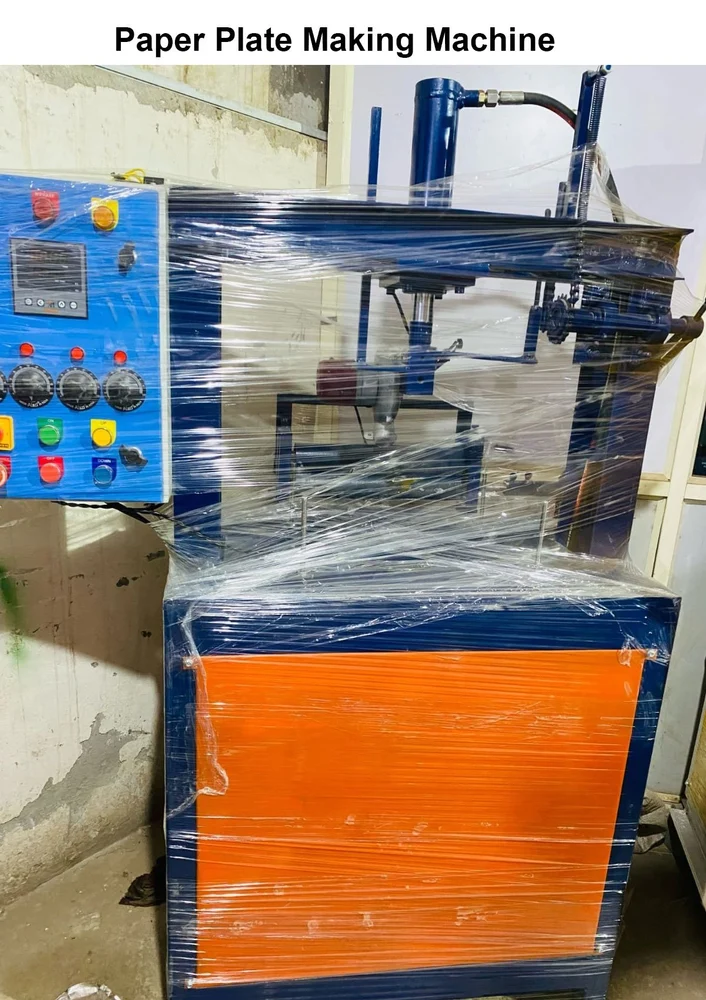
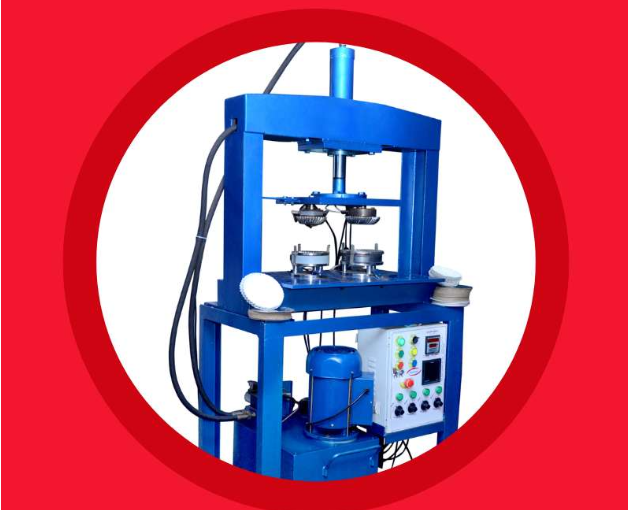
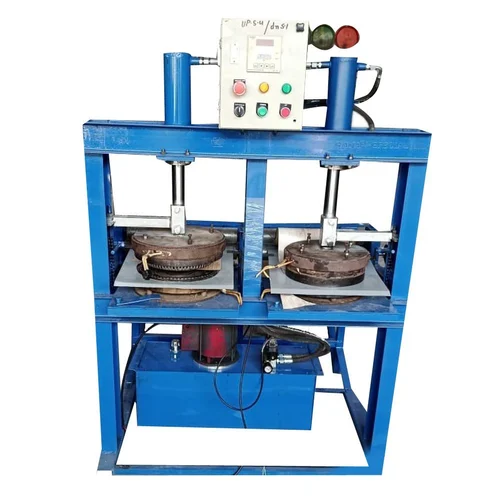
Paper Plate Making Machine | Supporting Make in India Manufacturing Opportunities – Kesya International
Price: ₹72000
India's Growing Paper Plate Manufacturing Sector
India's manufacturing sector offers opportunities for entrepreneurs interested in producing everyday consumer and commercial products. Disposable paper plates are used by restaurants, food vendors, catering businesses, sweet shops, canteens and event organisers. Their demand across different customer segments creates opportunities for organised domestic manufacturing.
A Paper Plate Making Machine helps businesses convert suitable paper material into finished plates in different shapes and sizes. Entrepreneurs can use this machinery to establish a production unit and serve local or regional markets.
The Make in India initiative has also encouraged interest in domestic manufacturing and business development. For entrepreneurs entering the disposable products industry, selecting appropriate machinery, maintaining product quality and developing a reliable distribution network are important considerations.
Kesya International is a company businesses can explore when researching paper plate manufacturing machinery and available equipment options in India.
The Importance of Domestic Manufacturing
Domestic manufacturing allows businesses to produce products closer to their target customers. For paper plate manufacturers, this can create opportunities to serve local retailers, wholesalers and commercial buyers.
A properly planned manufacturing unit can focus on specific customer requirements, including different plate dimensions, product quantities and packaging preferences.
However, establishing a successful operation requires more than purchasing machinery. Entrepreneurs should understand local market demand, raw material availability, operating expenses and distribution arrangements before beginning production.
A practical business plan helps manufacturers make informed decisions about investment and production capacity.
Understanding Paper Plate Making Machine Technology
A Paper Plate Making Machine is designed to form paper material into plates using a suitable moulding and pressing mechanism. The machine configuration determines how the material is handled and how much of the production process is automated.
The basic manufacturing sequence involves preparing the required paper material, positioning it according to the machine's operating method, forming the plate and inspecting the finished product.
Different machine configurations may have different operating methods, mould arrangements and technical requirements. Buyers should understand these differences before selecting equipment.
A machine demonstration and a review of the technical specifications can help entrepreneurs assess whether the equipment matches their planned manufacturing activities.
Selecting Machinery for a New Manufacturing Unit
The right machinery depends on the scale and objectives of the business. Entrepreneurs should first determine the types of paper plates they intend to manufacture and the approximate production requirements.
Manual machines involve greater operator participation and may be considered for smaller operations. Semi-automatic configurations combine machine-assisted processes with manual handling. Fully automatic machines are designed to automate more production activities.
The choice should be based on actual operating requirements rather than assumptions about which category is always better.
Buyers should compare machine construction, production specifications, electrical requirements, mould compatibility and maintenance needs. These details can help determine the suitability of the equipment for a particular manufacturing unit.
Raw Material Selection and Procurement
Raw material quality plays an important role in the manufacturing process. Paper thickness, strength, surface characteristics and suitability for the intended application can influence the finished product.
Manufacturers should select materials according to the machine specifications and the type of plates they plan to produce. Compatibility should be confirmed with the equipment supplier before purchasing material in bulk.
A reliable procurement system is equally important. Businesses should evaluate suppliers based on material consistency, availability, pricing and delivery arrangements.
Proper storage can help protect raw materials from moisture, dust and damage. Maintaining organised inventory records also helps businesses plan purchases and avoid unnecessary production interruptions.
Mould Selection and Product Customisation
Paper plate moulds determine the shape and dimensions of the finished products. Different customer groups may require different plate sizes for snacks, meals, sweets and catering applications.
Before purchasing machinery, entrepreneurs should discuss available mould options with the manufacturer. They should confirm which sizes are supported and whether additional moulds can be used with the selected machine.
Product selection should be based on market research. Manufacturing too many varieties without confirmed demand can increase inventory and operating costs.
A focused product range can help new businesses manage production more effectively while building relationships with potential customers.
Quality Standards and Production Management
Consistent product quality is essential for building a professional manufacturing business. Customers expect paper plates to have suitable dimensions, proper formation and an acceptable finish.
Manufacturers should establish inspection procedures throughout production. Finished plates should be checked for uneven edges, incorrect shapes, visible defects and inconsistent dimensions.
Production records can also help monitor raw material consumption, accepted output and rejected products. Reviewing this information regularly can help identify areas where production efficiency may improve.
Packaging should protect finished plates during storage, handling and transportation. Businesses should also provide accurate information about product composition and intended use.
Investment Planning and Paper Plate Machine Price
The cost of establishing a paper plate manufacturing unit depends on several factors. Machinery configuration, automation level, mould requirements and technical specifications can influence the initial equipment investment.
Additional expenses may include workspace preparation, electricity, raw materials, labour, packaging, transportation and routine maintenance.
Entrepreneurs should calculate their estimated manufacturing cost per plate using actual material consumption and operating expenses. They should also consider rejected products and material wastage when estimating production costs.
The Paper Plate Making Machine price in India varies between configurations and suppliers. Buyers should request current quotations and confirm exactly what is included in the offered price before making a purchasing decision.
Developing a Domestic Customer Network
A manufacturing business needs customers who can provide regular orders. Paper plate manufacturers can approach restaurants, sweet shops, catering companies, food stalls, canteens and disposable-product wholesalers.
Local market research can help identify the plate sizes and quantities commonly purchased by these businesses.
Manufacturers can introduce their products through samples, product catalogues and direct business communication. Clear information about dimensions, material specifications, packaging and order quantities can help potential customers evaluate the products.
Working with regional distributors may also help a manufacturing unit reach additional markets. Consistent quality and dependable order fulfilment can support repeat business.
Choosing the Right Paper Plate Making Machine Company
Selecting a machinery company requires careful evaluation. Buyers should compare the technical information provided by different manufacturers and understand the equipment's actual operating capabilities.
Important considerations include machine specifications, mould compatibility, production requirements, electrical arrangements, maintenance instructions and commercial terms.
Kesya International can be explored by entrepreneurs researching Paper Plate Making Machine options in India. Prospective buyers should discuss their manufacturing requirements directly with the company and confirm current machine availability, specifications and pricing.
A well-informed purchase decision should be based on verified information and suitability for the intended business rather than promotional claims alone.
Building a Long-Term Manufacturing Business
Long-term growth depends on maintaining a balance between production capacity, operating costs and market demand. Businesses should avoid expanding machinery or inventory without understanding their existing order volumes.
Regular production reviews can help management identify material wastage, operational difficulties and changes in customer requirements.
Manufacturers should also stay informed about applicable product, packaging and food-contact requirements. Environmental claims should be made carefully because the disposal and composting suitability of paper plates depends on their material composition, coatings and local waste-management facilities.
With organised production management and a reliable customer network, entrepreneurs can work towards developing a stable paper plate manufacturing operation.
Conclusion
A Paper Plate Making Machine provides an opportunity for entrepreneurs interested in domestic manufacturing and the disposable food-service products market. The Make in India manufacturing environment offers a broader context for businesses exploring local production opportunities.
Success depends on choosing suitable machinery, managing raw materials, maintaining product quality and developing dependable distribution channels.
Kesya International can be considered by businesses researching paper plate manufacturing machinery in India. Before investing, buyers should verify machine specifications, mould options, production requirements and commercial terms to select equipment that matches their business objectives.
Frequently Asked Questions
1. What is a Paper Plate Making Machine used for?
It is used to manufacture paper plates in different shapes and sizes through a moulding and pressing process.
2. Is paper plate manufacturing suitable for a new business?
It can be considered by entrepreneurs after evaluating local demand, machinery costs, raw material availability and potential customers.
3. What types of paper plate machines are available?
Manual, semi-automatic and fully automatic configurations are available, depending on production requirements and machine design.
4. How do I select suitable paper material?
Consider paper thickness, strength, intended application and compatibility with the machine specifications.
5. Can different plate sizes be manufactured?
This depends on the machine design and compatible mould options. Confirm the available sizes with the manufacturer.
6. What affects the price of a Paper Plate Making Machine in India?
Automation level, machine construction, mould arrangements and technical specifications can influence the price.
7. Where can I enquire about paper plate manufacturing machinery?
You can contact Kesya International directly to confirm current machinery options, specifications and prices.
Call: 9355889950, 9355889951 | Visit : Fully Automatic Paper Plate Making Machine Manufacturer Delhi
Buy Now
Paper Plate Making Machine
Paper Plate Making Machine India
Make in India
Paper Plate Manufacturing
Paper Plate Manufacture
Disposable Paper Plate Making Machine
Paper Plate Production Machine
Paper Plate Machine Price in India
Paper Plate Manufacturing Business
Industrial Paper Plate Machinery
Manual Paper Plate Machine
Semi Automatic Paper Plate Making Machine
Fully Automatic Paper Plate Machine
Paper Plate Mould
Paper Plate Raw Material
Domestic Manufacturing India
Paper Plate Production Unit
Paper Plate Machinery Company
Kesya International
Indian Manufacturing Business
Disposable Food Serving Products
Paper Plate Industry India