- kesyaipl2@gmail.com
- Rajdhani Park, Mubarkpur, Delhi, 110041, India
Blogs
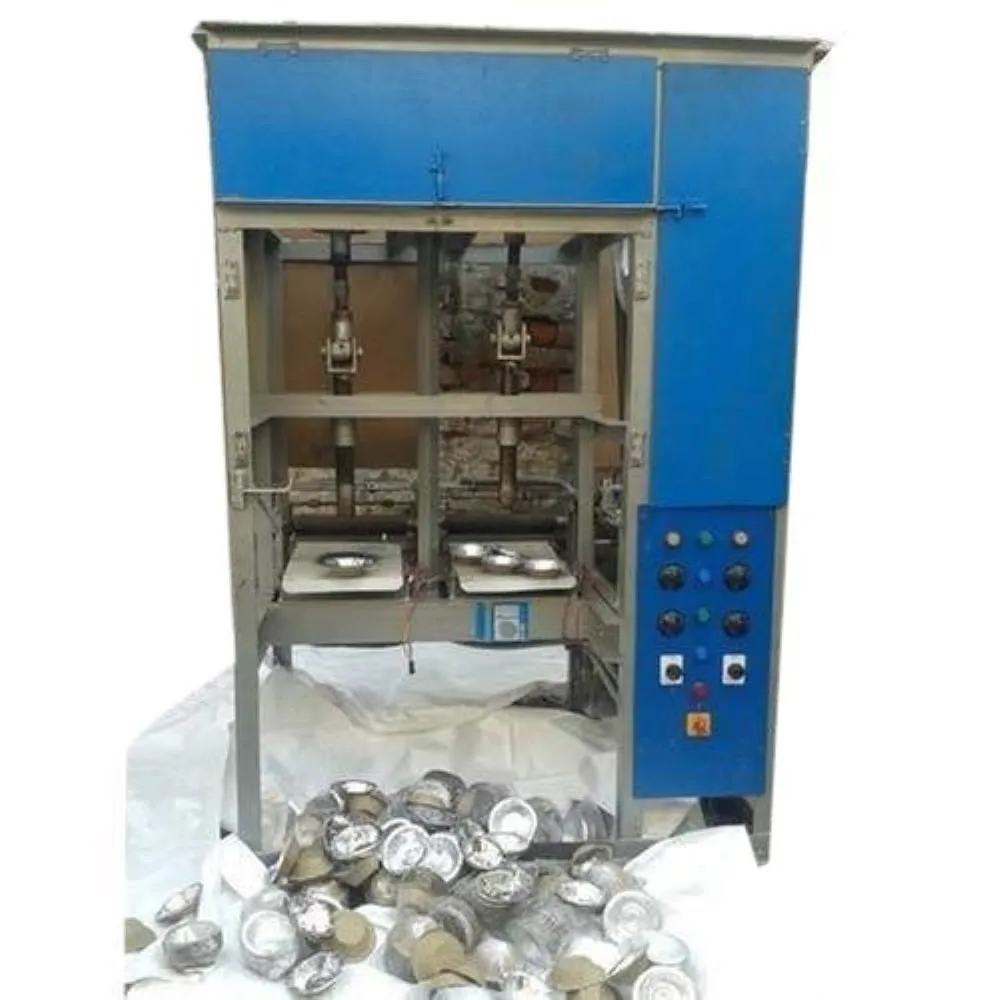
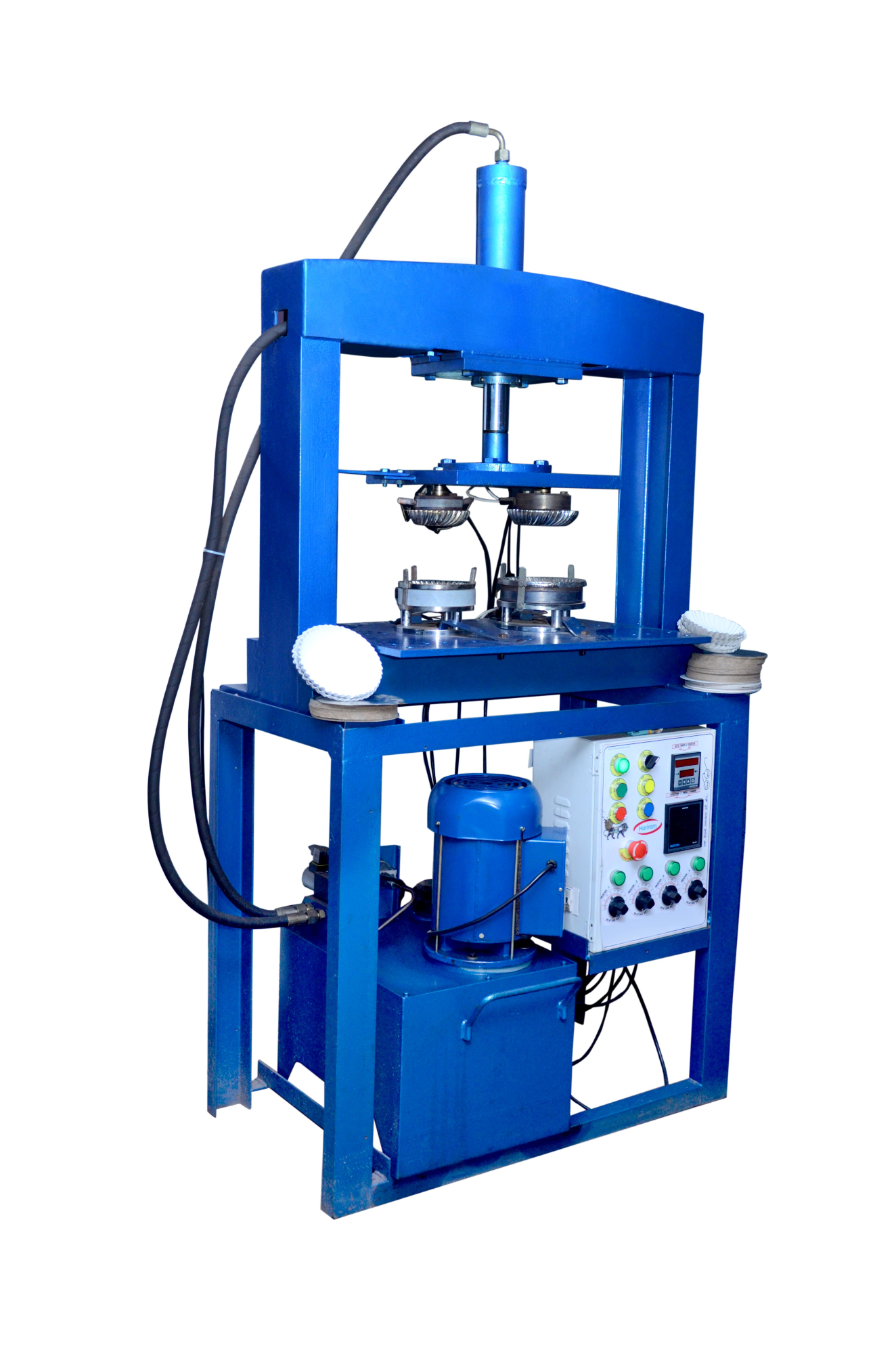
Paper Plate Making Machine | Top Company for Starting a Manufacturing Business in India – Kesya International
Price: ₹66000
Paper Plate Making Machine for the Growing Indian Market
Are you planning to start a disposable paper plate manufacturing business in India? Are you searching for a suitable Paper Plate Making Machine that matches your budget and production requirements? Choosing the right machinery is one of the most important decisions when establishing a paper plate manufacturing unit.
Paper plates are used by restaurants, food stalls, catering businesses, sweet shops, event organisers, wholesalers, and disposable product dealers. Their different sizes and applications create opportunities for manufacturers who can supply consistent-quality products at competitive prices.
Kesya International offers machinery solutions for businesses exploring paper plate manufacturing. Whether you are a new entrepreneur or an existing manufacturer planning to expand production, understanding machine specifications, mould options, raw materials, and investment requirements can help you make an informed purchasing decision.
1. Which Is the Best Paper Plate Making Machine in India?
The best Paper Plate Making Machine depends on the buyer's production requirements, available investment, working space, and expected customer demand. A machine suitable for a small manufacturing unit may not be appropriate for a business handling large wholesale orders.
Before purchasing, compare the machine's construction, operating mechanism, supported plate sizes, mould compatibility, electrical requirements, and maintenance needs.
Instead of selecting equipment only because it is advertised as the best, ask the manufacturer for complete specifications and confirm whether the machine can meet your production targets.
Kesya International is one of the companies buyers can consider when exploring paper plate manufacturing machinery in India.
2. What Is the Price of a Paper Plate Making Machine in India?
Paper Plate Making Machine prices in India vary according to automation level, machine configuration, mould requirements, production capabilities, and construction quality.
Manual, semi-automatic, and fully automatic machines can have different investment requirements. Additional expenses may include transportation, installation, electricity arrangements, raw materials, packaging, labour, and workspace preparation.
For an accurate price, buyers should request an updated quotation based on their preferred machine configuration. They should also check what accessories, moulds, and services are included in the quoted amount.
3. Which Paper Plate Machine Is Suitable for a Small Business?
Entrepreneurs starting with a limited budget should first estimate their local market demand and expected daily orders.
A manual or semi-automatic machine may be worth considering when production requirements are moderate and the owner wants to control the initial investment. A fully automatic machine may be more suitable when the business expects higher production requirements and has the resources to manage automated operations.
The right choice should be based on actual business calculations rather than machine category alone.
4. What Is the Difference Between Manual, Semi-Automatic and Fully Automatic Machines?
Manual machines generally require greater operator involvement during production. They may be considered for small-scale manufacturing operations where production requirements are limited.
Semi-automatic machines combine mechanical operations with certain manual activities. They can be suitable for businesses looking for a balance between investment and production requirements.
Fully automatic machines are designed to automate more stages of the manufacturing process, depending on their configuration. Buyers should confirm the actual level of automation rather than assuming that every fully automatic machine performs all operations without operator involvement.
5. How Many Paper Plates Can a Machine Produce in One Hour?
This is one of the most common questions asked by people planning to purchase paper plate manufacturing machinery.
The production output depends on the machine model, operating speed, plate dimensions, paper material, mould configuration, operator experience, and production conditions.
Buyers should ask the manufacturer for the rated production capacity and understand whether the quoted figure represents theoretical output or practical production under normal working conditions.
It is also useful to ask for a live machine demonstration or production trial before finalising an order.
6. Which Raw Material Is Required for Paper Plate Manufacturing?
Paper plate manufacturing requires suitable paper-based raw materials selected according to the desired plate size, thickness, strength, and application.
The material should be compatible with the machine and mould configuration. Its quality can influence the finished plate's appearance, stiffness, and usability.
Before purchasing raw materials in bulk, manufacturers should test their suitability with the selected machinery. They should also establish reliable supply arrangements to avoid production interruptions.
For plates intended for food contact, businesses should check applicable material safety and regulatory requirements.
7. What Sizes of Paper Plates Can Be Made on One Machine?
Paper plates are manufactured in different sizes for snacks, sweets, meals, catering, and other food-serving applications.
The available sizes depend on the machine's design and compatible moulds. Some machines may support multiple mould configurations, while others may have specific operating limitations.
Before ordering, buyers should share their required plate dimensions with the supplier and confirm which moulds are available. They should also check the cost and installation requirements for additional moulds.
8. How Much Investment Is Required to Start a Paper Plate Manufacturing Business?
The total investment depends on the scale of the manufacturing unit and the equipment selected.
A realistic business budget should include machinery, moulds, raw materials, workspace rent or setup, electricity, labour, packaging, transportation, and working capital.
Entrepreneurs should also estimate the cost per plate and compare it with the expected wholesale selling price. This helps calculate possible margins and understand how much production and sales volume may be required to cover operating expenses.
Starting with a manageable product range and expanding according to actual customer demand can help reduce unnecessary initial spending.
9. Where Can I Buy a Paper Plate Making Machine in India?
Buyers can approach machinery manufacturers and suppliers that provide clear technical information and transparent commercial terms.
Before placing an order, compare machine specifications, construction, supported plate sizes, mould options, delivery conditions, installation arrangements, and spare parts availability.
Kesya International is an option for buyers looking to discuss paper plate manufacturing machinery. Customers should contact the company directly to confirm current models, specifications, prices, and purchasing conditions.
10. Which Company Is a Reliable Paper Plate Machine Manufacturer and Supplier?
A reliable manufacturer or supplier should be able to explain the machinery's capabilities, operating requirements, and limitations clearly.
Buyers should check the following factors during supplier evaluation: machine specifications, construction quality, mould compatibility, quotation transparency, operating instructions, spare parts availability, and applicable after-sales support.
Do not make a purchasing decision based only on online advertisements or attractive pricing. A detailed discussion with the supplier can help prevent misunderstandings after delivery.
11. Is Paper Plate Manufacturing a Profitable Business in India?
Paper plate manufacturing can offer a business opportunity where there is sufficient demand and effective cost management.
However, profitability is not guaranteed. It depends on raw material prices, production expenses, selling prices, competition, product quality, and the ability to secure regular orders.
Manufacturers should research their local market before investing. Speaking with wholesalers, disposable product dealers, caterers, and food businesses can help identify the plate sizes and product types that customers actually need.
12. How Can I Find Customers for Disposable Paper Plates?
New manufacturers can approach local wholesalers, disposable product shops, restaurants, sweet shops, caterers, street food businesses, and event suppliers.
Building relationships with distributors can help manufacturers reach more customers without depending entirely on individual retail sales.
Businesses should maintain consistent product quality, suitable packaging, competitive pricing, and reliable delivery schedules. Offering plate sizes according to customer demand can also help develop repeat orders.
13. What Should I Check Before Buying a Fully Automatic Paper Plate Making Machine?
Before buying fully automatic machinery, check the actual automation process, production capacity, electrical requirements, supported moulds, operating instructions, maintenance requirements, and machine dimensions.
Ask the supplier whether the machine requires any additional equipment or accessories for your intended production process.
It is also important to confirm the warranty conditions, installation arrangements, delivery terms, and availability of technical assistance in writing.
14. Why Consider Kesya International for Paper Plate Making Machinery?
Kesya International is associated with machinery solutions for businesses interested in manufacturing and industrial equipment.
Entrepreneurs searching for a Paper Plate Making Machine manufacturer or supplier can discuss their production plans, preferred plate dimensions, budget, and automation requirements with the company.
Before purchasing, customers should confirm the latest machine availability, specifications, mould options, price, and applicable service arrangements directly with Kesya International.
15. What Is the Future of Paper Plate Manufacturing in India?
Paper plate manufacturing can serve different market segments, including food businesses, catering services, disposable product distributors, and event organisers.
Future business opportunities will depend on customer preferences, product quality, local competition, material costs, and applicable environmental and product regulations.
Manufacturers who understand their target market, manage production efficiently, and maintain reliable customer relationships can build a more organised business over time.
Conclusion
Selecting the right Paper Plate Making Machine requires careful consideration of investment, production requirements, machine specifications, raw material compatibility, and market demand. Entrepreneurs should compare manual, semi-automatic, and fully automatic machinery before making a final decision.
Kesya International can be considered by businesses exploring paper plate manufacturing machinery in India. A detailed discussion about machine configuration, mould options, price, and operating requirements can help buyers choose equipment that suits their business plans.
Call: 9355889950, 9355889951 | Visit : Fully Automatic Paper Plate Making Machine Manufacturer Delhi
Buy Now
Paper Plate Making Machine
Paper Plate Machine India
Paper Plate Making Machine Price
Paper Plate Manufacturer
Paper Plate Machine Supplier
Paper Plate Manufacturing Business
Disposable Paper Plate Machine
Fully Automatic Paper Plate Making Machine
Semi Automatic Paper Plate Making Machine
Manual Paper Plate Making Machine
Paper Plate Production
Paper Plate Mould
Paper Plate Raw Material
Paper Plate Machine Capacity
Paper Plate Manufacturing Company
Paper Plate Manufacture
Top Company for Paper Plate Machine
Kesya International.