- kesyaipl2@gmail.com
- Rajdhani Park, Mubarkpur, Delhi, 110041, India
Blogs

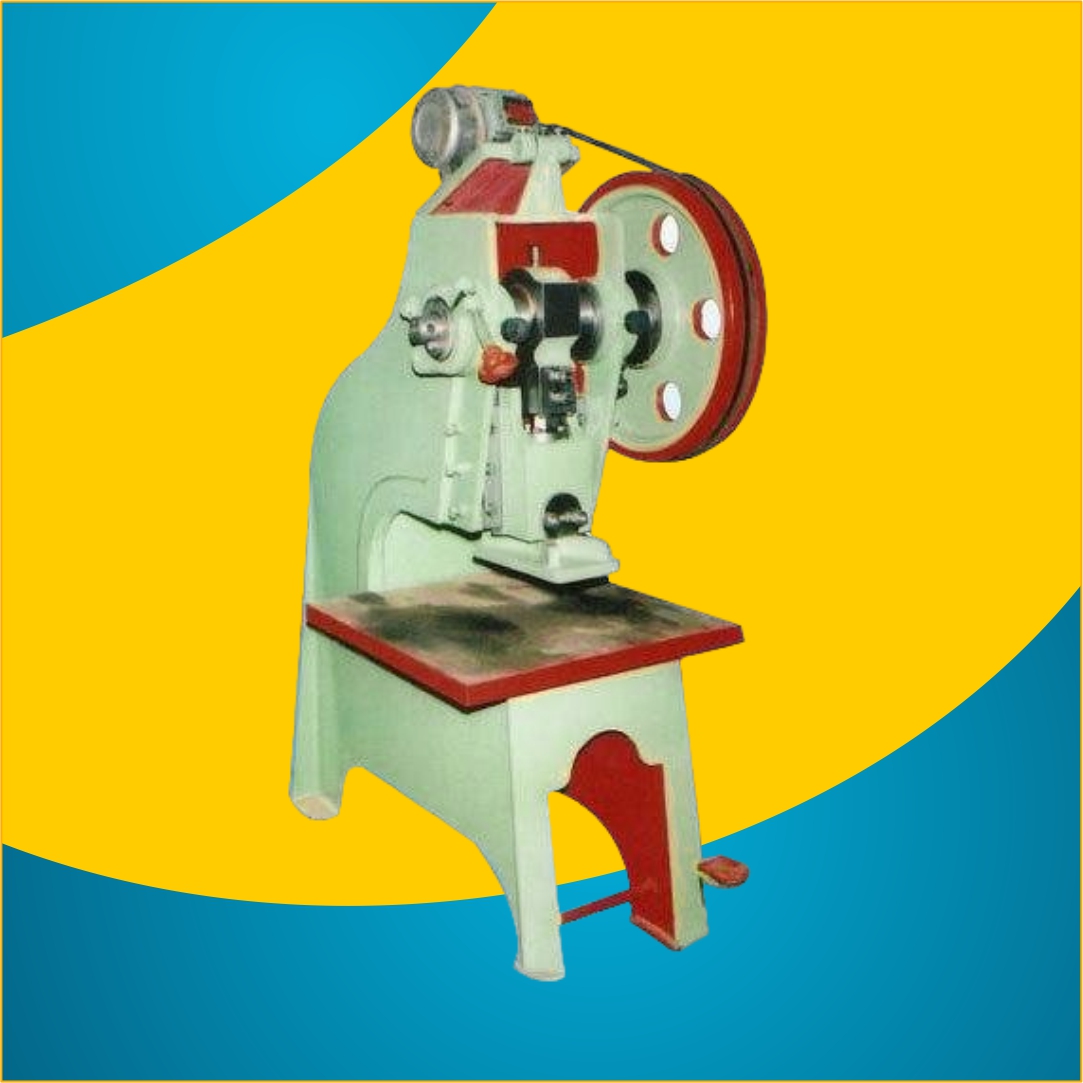
Premium Slipper Making affordable pricing Guide
Price: ₹26986
Best Practices for Slipper Manufacturing
Investing in a quality slipper making machine can transform a small business into a thriving footwear manufacturing operation.
Key Aspects and Features
The raw materials required for slipper manufacturing primarily include PVC granules, EVA foam, rubber compounds, TPR material, and strap materials. PVC and EVA typically constitute the largest portion of the production cost. Sourcing quality raw materials from reliable suppliers at competitive prices is crucial for maintaining healthy profit margins. Many successful manufacturers establish long term relationships with multiple material suppliers to ensure steady supply and better pricing.
Quality control in slipper manufacturing involves monitoring sole thickness, strap strength, dimensional accuracy, color consistency, and overall finish. Modern machines incorporate quality control mechanisms that help detect and reject defective products, ensuring that only slippers meeting the required standards reach the market. Implementing a robust quality control system helps build brand reputation and customer loyalty in the highly competitive footwear market.
Business and Market Overview
The production capacity of slipper making machines varies widely depending on the machine type and configuration. Manual machines can produce 200 to 500 pairs per hour, while semi automatic models achieve 500 to 1500 pairs per hour. Fully automatic production lines can produce up to 3000 or more pairs per hour, making them ideal for large scale manufacturers. Choosing the right production capacity based on market demand and investment budget is essential for business success.
The quality of raw materials used in slipper manufacturing directly impacts the quality of the finished product. PVC granules come in various grades and formulations, and selecting the right material for the intended product type is crucial. Premium slippers require high quality PVC with consistent color, flexibility, and durability, while economy products can use standard grade materials.
Production and Operations
The durability of a slipper making machine is determined by the quality of its components, the robustness of its design, and the care taken during operation and maintenance. High quality machines manufactured from premium grade steel and components can operate reliably for many years with proper maintenance. Investing in a durable machine reduces the total cost of ownership and provides consistent production capabilities.
Conclusion
Starting a slipper making business requires careful planning, the right investment in machinery, and a commitment to quality. With proper execution and dedication, a slipper manufacturing venture can provide sustainable income and long term business growth for years to come.
Buy Now
chappal making machine
slipper business
slipper making machine
slipper machine features
slipper making business
slipper machine
slipper manufacturing process
best slipper machine
slipper machine price
slipper making machine supplier
slipper molding machine
slipper machine cost
pvc slipper machine
slipper sole making machine
slipper machine for small business