- kesyaipl2@gmail.com
- Rajdhani Park, Mubarkpur, Delhi, 110041, India
Blogs

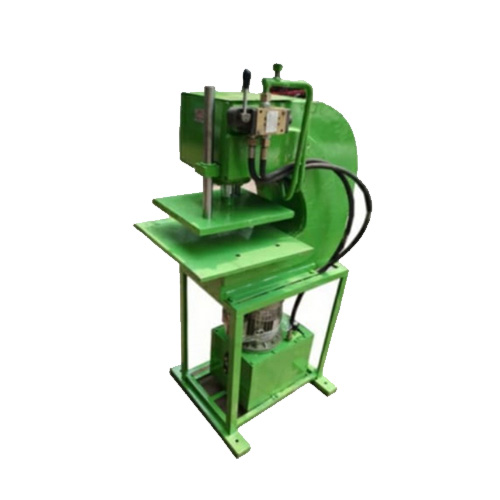
Proven Production Capacity for Slipper Success
Price: ₹73098
Understanding Slipper Production Capacity Metrics
The slipper making industry in India has witnessed tremendous growth over the past decade, driven by massive domestic consumption and export demand.
Key Aspects and Features
The pricing strategy for slippers should consider production costs, market competition, target profit margins, and customer price sensitivity. Many manufacturers use tiered pricing with different price points for different quality levels and market segments. Understanding the pricing dynamics of the local market is essential for developing an effective pricing strategy that maximizes both volume and margin.
Wear parts in slipper making machines include molds, cutting dies, heating elements, hydraulic seals, and strap cutting blades. These components are subject to normal wear during operation and should be replaced at regular intervals to maintain production quality. Maintaining an inventory of critical spare parts minimizes downtime when replacements are needed and ensures continuous production.
Business and Market Overview
The export market for Indian made slippers and slipper making machines presents significant growth opportunities. Countries in Africa, Southeast Asia, Middle East, and Europe offer attractive markets for Indian slipper manufacturers. Understanding export regulations, quality requirements, international sizing standards, and logistics considerations is essential for successful market entry and sustained export growth.
The slipper making machine market in India is served by numerous manufacturers offering machines at various price points and capabilities. When selecting a machine, buyers should consider factors such as production capacity, build quality, after sales support, spare parts availability, and total cost of ownership. It is advisable to visit manufacturer facilities, request demonstrations, and speak with existing customers before making a purchase decision.
Production and Operations
The environmental benefits of using recycled and sustainable materials in slipper manufacturing have become increasingly significant. Manufacturers who incorporate recycled rubber, bio based EVA, and eco friendly dyes can appeal to environmentally conscious consumers. As sustainability awareness grows among consumers, the demand for eco friendly slippers continues to increase, creating premium market opportunities for forward thinking manufacturers.
Conclusion
As the demand for slippers continues to grow across domestic and international markets, investing in a modern slipper making machine represents a smart business decision. The combination of affordable entry costs, massive market demand, and attractive profit margins makes slipper manufacturing an ideal business opportunity for aspiring entrepreneurs.
Buy Now
slipper machine maintenance
slipper manufacturing machine
slipper making machine price
slipper manufacturing process
slipper strap making machine
slipper sole making machine
slipper business profit
slipper machine for small business
slipper production
slipper machine
slipper making machine supplier
slipper manufacturing
slipper machine price
slipper manufacturing business
slipper making machine
slipper manufacturing startup
best slipper machine
slipper business