- kesyaipl2@gmail.com
- Rajdhani Park, Mubarkpur, Delhi, 110041, India
Blogs

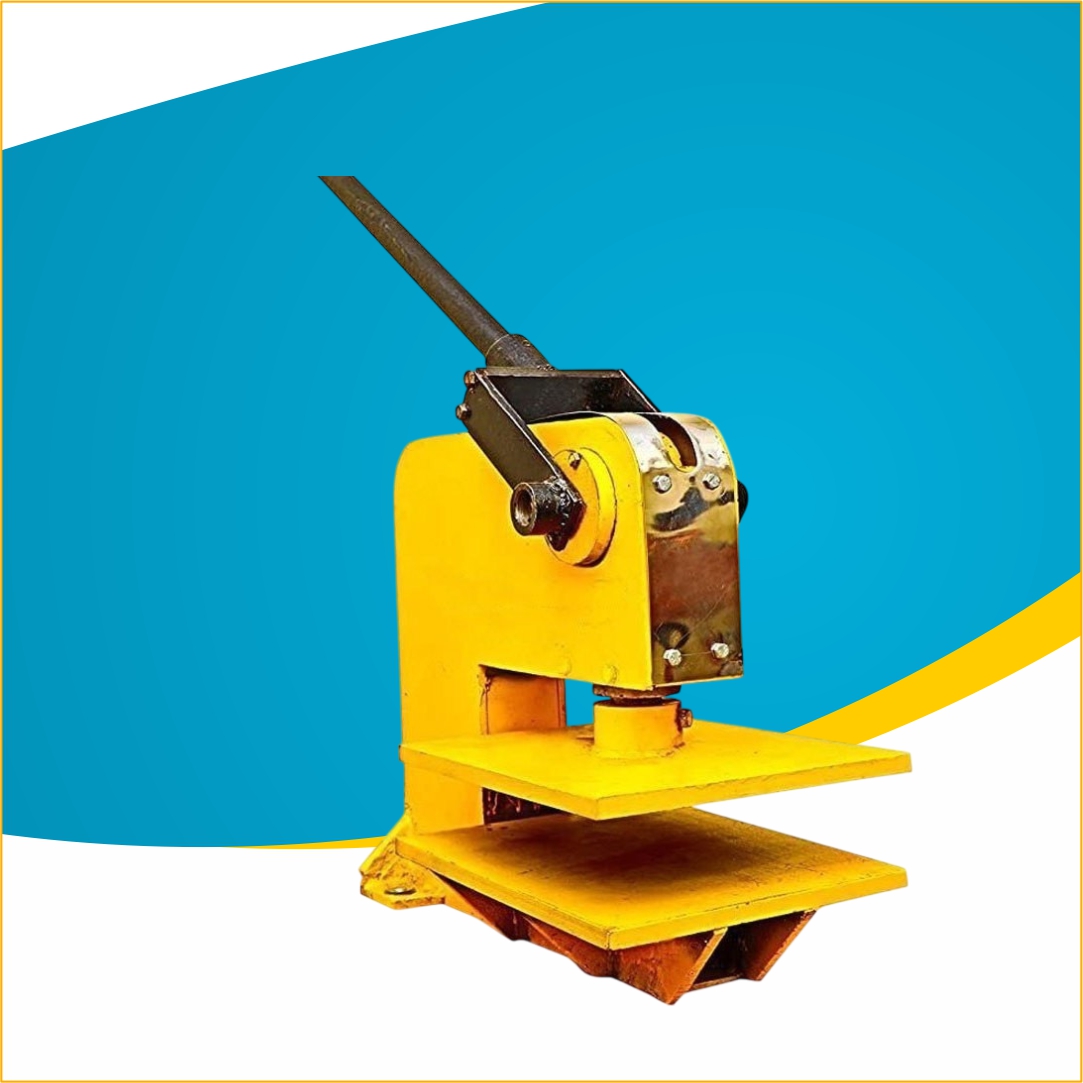
Slipper Making Machine Price in India: Features, Raw Materials, Production Process & Profit Margin Guide
Price: ₹67000
Slipper Making Machine Price in India: Features, Raw Materials, Production Process & Profit Margin Guide
The footwear industry in India continues to grow rapidly due to increasing consumer demand for affordable, comfortable, and durable slippers. Whether you're planning to start a small-scale business or establish a commercial footwear manufacturing unit, investing in a Slipper Making Machine can be a profitable opportunity. The machine is designed to manufacture EVA slippers, rubber slippers, foam slippers, PVC slippers, and Hawaii slippers with high precision and excellent finishing.
This comprehensive guide explains everything about the Slipper Making Machine Price in India, machine specifications, production process, raw materials, investment, maintenance, profit margin, and business opportunities to help entrepreneurs make informed decisions.
Table of Contents
- What is a Slipper Making Machine?
- Slipper Making Machine Price in India
- Machine Features
- Technical Specifications
- Types of Slipper Making Machines
- Raw Materials Required
- Manufacturing Process
- Production Capacity
- Benefits of Starting a Slipper Manufacturing Business
- Investment Required
- Profit Margin Analysis
- Maintenance Tips
- Frequently Asked Questions
What is a Slipper Making Machine?
A Slipper Making Machine is an industrial machine used for manufacturing different types of slippers using EVA sheets, rubber sheets, PVC compounds, foam materials, and synthetic soles. Modern machines offer automatic cutting, pressing, shaping, hole punching, and finishing operations, enabling manufacturers to produce high-quality footwear with minimal labor.
Slipper Making Machine Price in India
The price of a Slipper Making Machine depends on automation level, production capacity, hydraulic pressure, die size, and additional features. Entry-level manual machines are affordable for startups, while fully automatic hydraulic slipper manufacturing machines are suitable for medium and large-scale industries.
Factors affecting machine price include:
- Machine automation level
- Production capacity
- Hydraulic system quality
- Power consumption
- Machine frame construction
- Brand reputation
- Warranty and after-sales support
Major Features of Slipper Making Machine
High-Speed Production
Designed for continuous production with excellent efficiency.
Hydraulic Pressure System
Ensures clean and accurate cutting with minimal material wastage.
Heavy Duty Construction
Built using premium-grade steel for long operational life.
Energy Efficient
Consumes less electricity while maintaining high productivity.
User-Friendly Operation
Simple controls allow operators to learn quickly.
Low Maintenance
Requires minimal servicing and offers long-lasting performance.
Precision Cutting
Produces uniform slipper shapes with smooth finishing.
Multiple Die Compatibility
Supports various slipper sizes and designs using interchangeable dies.
Technical Specifications
Machine Type
Manual, Semi-Automatic, Fully Automatic
Power Requirement
220V / 380V depending on machine model.
Hydraulic Pressure
Suitable for industrial-grade slipper cutting operations.
Production Capacity
Hundreds to thousands of slipper pairs per day depending on machine configuration.
Frame Material
Heavy-duty mild steel construction with powder coating.
Operation Mode
Hydraulic / Pneumatic / Automatic PLC Control.
Types of Slipper Making Machines
Manual Slipper Cutting Machine
Ideal for startups and small-scale manufacturers.
Semi-Automatic Slipper Machine
Offers better productivity with partial automation.
Automatic Hydraulic Slipper Machine
Best for commercial production with minimal manpower.
EVA Slipper Making Machine
Specially designed for EVA foam slippers.
PVC Slipper Manufacturing Machine
Suitable for PVC footwear production.
Raw Materials Required
- EVA Foam Sheets
- Rubber Sheets
- PVC Compound
- Foot Straps
- Adhesive
- Printing Ink
- Packaging Material
- Brand Labels
- Decorative Accessories
Step-by-Step Slipper Manufacturing Process
Step 1: Raw Material Selection
Select premium-quality EVA or rubber sheets.
Step 2: Die Cutting
The machine cuts slipper soles using customized dies.
Step 3: Hole Punching
Creates holes for slipper straps.
Step 4: Strap Fitting
Foot straps are securely attached.
Step 5: Finishing
Edges are cleaned and surface finishing is completed.
Step 6: Quality Inspection
Each pair undergoes dimensional and visual inspection.
Step 7: Packaging
Finished slippers are packed for wholesale or retail distribution.
Production Capacity
Depending on machine model, manufacturers can produce hundreds to several thousand slipper pairs daily. Production efficiency depends on operator skill, machine automation, raw material availability, and working hours.
Benefits of Investing in a Slipper Making Machine
- Growing footwear market in India
- High demand throughout the year
- Quick return on investment
- Low production cost
- Scalable business opportunity
- Suitable for MSMEs and startups
- High production efficiency
- Multiple product variations
- Minimal maintenance requirements
- Excellent profit potential
Investment Required
The total investment depends on machine type, factory space, electricity setup, labor, raw materials, packaging, and transportation. Entrepreneurs can start with a small investment and gradually expand production capacity as demand increases.
Expected Profit Margin
Slipper manufacturing offers attractive profit margins because of low raw material costs and high market demand. Manufacturers supplying wholesalers, distributors, retailers, online marketplaces, and institutional buyers often achieve better profitability through bulk production and efficient inventory management.
Maintenance Tips
- Clean the machine daily.
- Lubricate moving parts regularly.
- Inspect hydraulic oil levels.
- Replace worn cutting dies.
- Check electrical connections periodically.
- Keep the working area dust-free.
- Schedule preventive maintenance.
Why Choose a Modern Slipper Making Machine?
Modern slipper manufacturing machines combine speed, precision, durability, and energy efficiency. They reduce labor dependency, improve product consistency, minimize material wastage, and help businesses meet increasing customer demand while maintaining superior product quality.
Frequently Asked Questions (FAQs)
1. What is the price of a Slipper Making Machine in India?
The price varies depending on machine type, automation, production capacity, and manufacturer.
2. Which raw materials are used for slipper manufacturing?
EVA foam sheets, rubber sheets, PVC compounds, straps, adhesives, packaging materials, and printing inks.
3. Can one machine manufacture different slipper sizes?
Yes. By changing cutting dies, multiple sizes and designs can be produced.
4. Is slipper manufacturing profitable?
Yes. Due to consistent demand and low production costs, it is considered a profitable manufacturing business.
5. How much space is required?
The required factory area depends on machine capacity and production scale.
6. Is technical knowledge required?
Basic machine operation training is usually sufficient for efficient production.
7. What types of slippers can be manufactured?
EVA slippers, PVC slippers, rubber slippers, Hawaii slippers, foam slippers, and customized footwear.
8. How long does the machine last?
With proper maintenance, a quality slipper making machine provides reliable performance for many years.
Conclusion
Investing in a Slipper Making Machine is an excellent opportunity for entrepreneurs looking to enter the rapidly growing footwear manufacturing industry. With modern technology, efficient production, low operational costs, and strong market demand, slipper manufacturing can generate sustainable income and long-term business growth. Selecting the right machine based on production requirements, quality standards, and after-sales support will ensure maximum productivity and higher profitability.
Buy Now
Slipper Making Machine Price in India
Slipper Making Machine
EVA Slipper Making Machine
Slipper Manufacturing Machine
Slipper Making Business
Rubber Slipper Making Machine
Hawaii Slipper Making Machine
Slipper Production Machine
Slipper Machine Cost
Slipper Manufacturing Plant
Footwear Making Machine
Slipper Machine Features
Slipper Raw Materials
Slipper Manufacturing Process
Slipper Machine Investment
Slipper Business Profit
Slipper Factory Setup
Slipper Making Machine Manufacturer
Automatic Slipper Making Machine
Slipper Machine India