- kesyaipl2@gmail.com
- Rajdhani Park, Mubarkpur, Delhi, 110041, India
Blogs

Smart Startup Guide for Agarbatti Making
Price: ₹19358
Step by Step Startup Guide for Agarbatti Business
Starting an agarbatti manufacturing business requires the right combination of knowledge, equipment, and market understanding.
Key Aspects and Features
The bamboo stick preparation process in agarbatti manufacturing requires precision and consistency to ensure uniform stick thickness and length across all production runs. Modern cutting systems use sharp hardened steel blades and precision guides to achieve clean accurate cuts. Regular blade maintenance and adjustment is necessary to maintain cutting quality and prevent bamboo waste.
Different types of agarbatti serve different purposes in the market. Common varieties include dhoop sticks, sambrani sticks, loban sticks, and flavored sticks for specific religious ceremonies. Each type has specific dimensions, coating requirements, and fragrance profiles. Understanding the market demand for different varieties helps manufacturers optimize their production mix.
Business and Market Overview
The agarbatti market in India is projected to continue growing at a healthy rate over the coming years. Factors driving this growth include increasing religious and spiritual practices, growing export demand, expanding retail networks, and rising consumer spending on puja supplies. Agarbatti manufacturers who invest in quality production capabilities are well positioned to benefit from this growth trend.
The environmental benefits of natural agarbatti over synthetic alternatives have become increasingly significant in today market. Natural agarbatti made from organic ingredients, essential oils, and natural binders are preferred by health conscious consumers. As environmental awareness grows among consumers, the demand for eco friendly agarbatti continues to increase. Manufacturers who emphasize natural ingredients in their production process can gain a competitive advantage in the market.
Production and Operations
Innovation in agarbatti making technology continues to drive improvements in production efficiency, product quality, and operational convenience. Recent innovations include automatic masala mixing systems, precision fragrance dosing, digital production counters, and improved coating mechanisms for uniform stick coverage. These technological advancements help manufacturers stay competitive in a rapidly evolving market.
Conclusion
As the demand for agarbatti continues to grow across religious, spiritual, and aromatherapy sectors, investing in a modern agarbatti making machine represents a smart business decision. The combination of affordable entry costs, strong market demand, and attractive profit margins makes agarbatti manufacturing an ideal business opportunity for aspiring entrepreneurs.
Buy Now
agarbatti production capacity
agarbatti coating machine
agarbatti machine maintenance
agarbatti making business
agarbatti machine price
dhoop stick machine
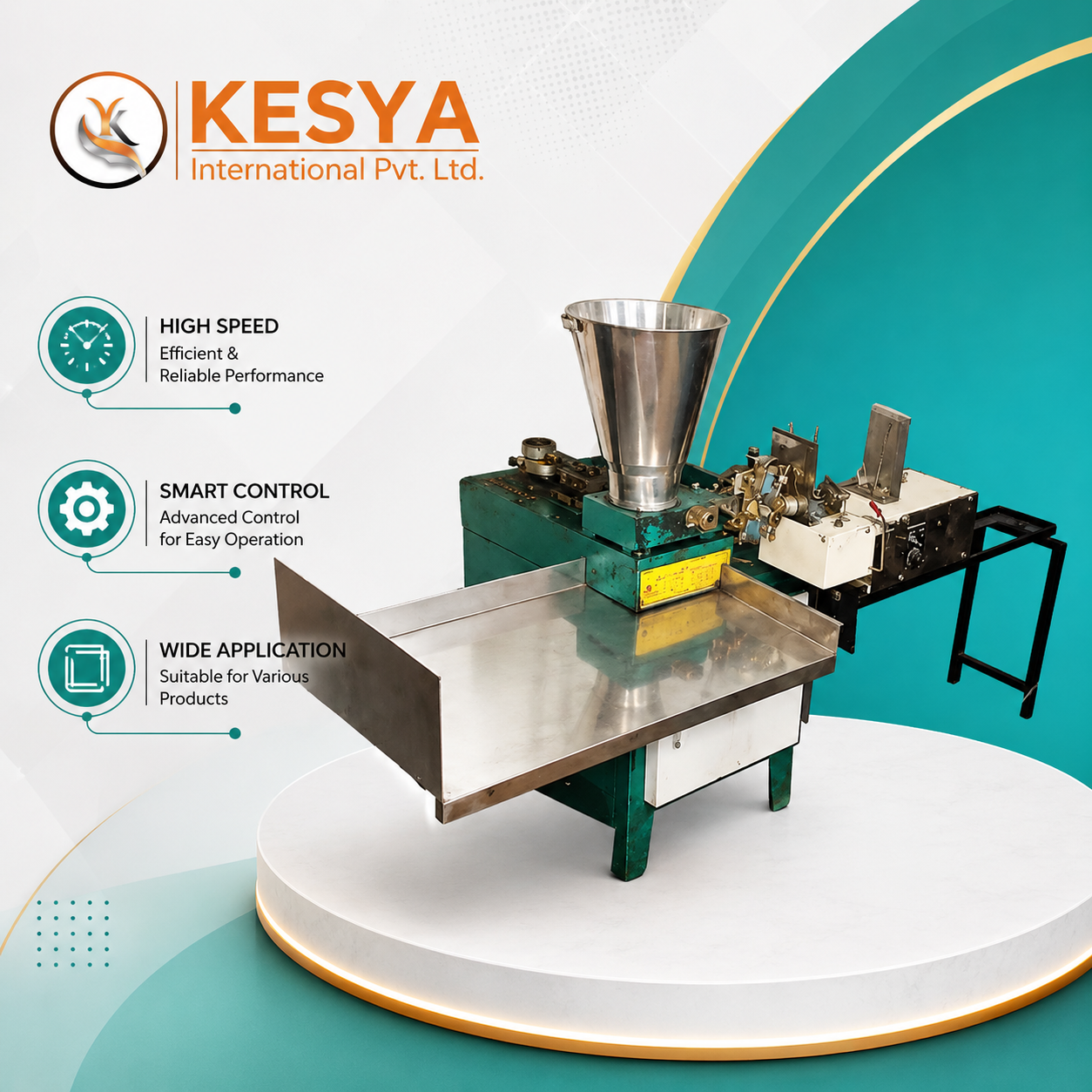
agarbatti making machine
agarbatti manufacturing process
agarbatti machine
agarbatti making machine price
agarbatti production
best agarbatti machine
agarbatti manufacturing business
agarbatti manufacturing startup