- kesyaipl2@gmail.com
- Rajdhani Park, Mubarkpur, Delhi, 110041, India
Blogs

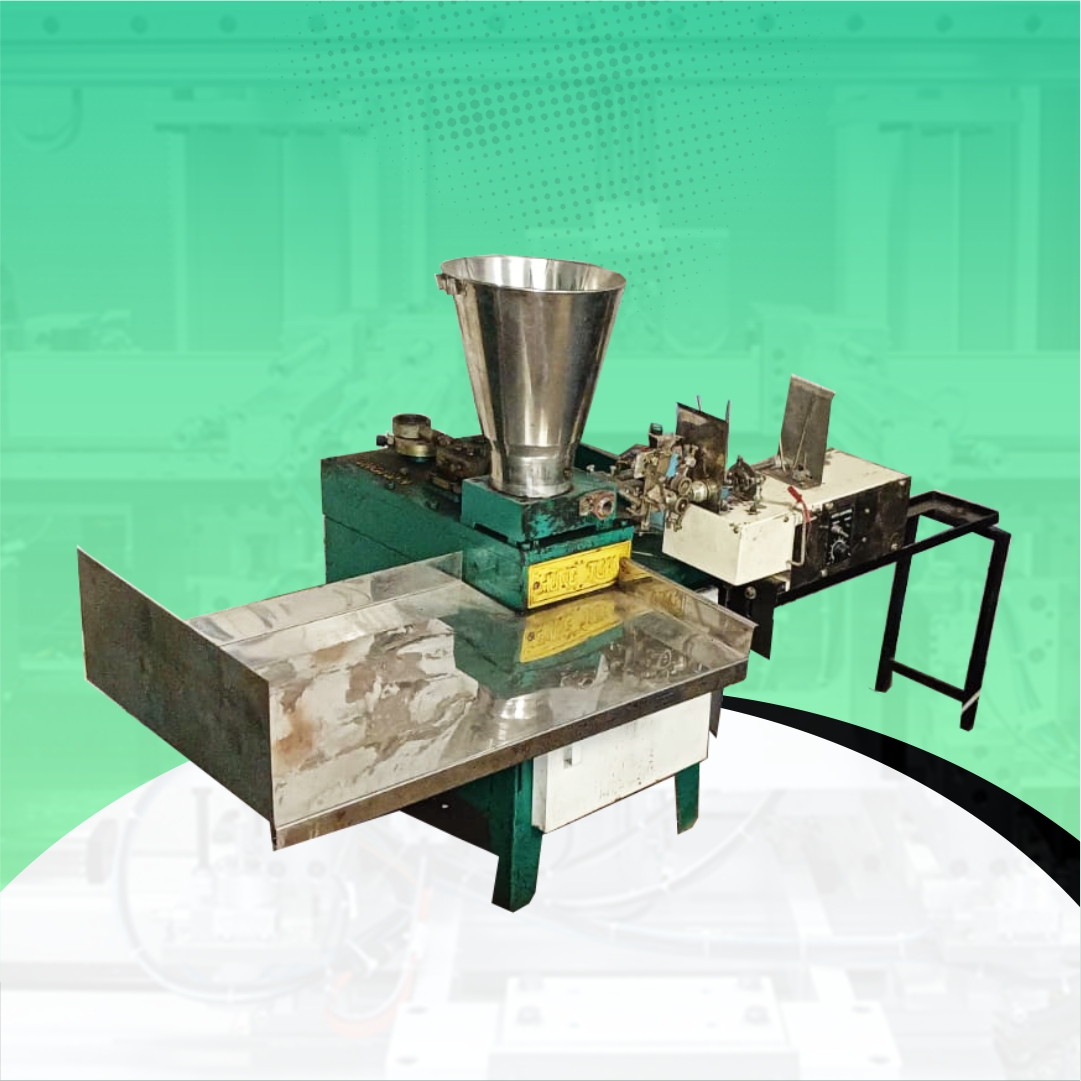
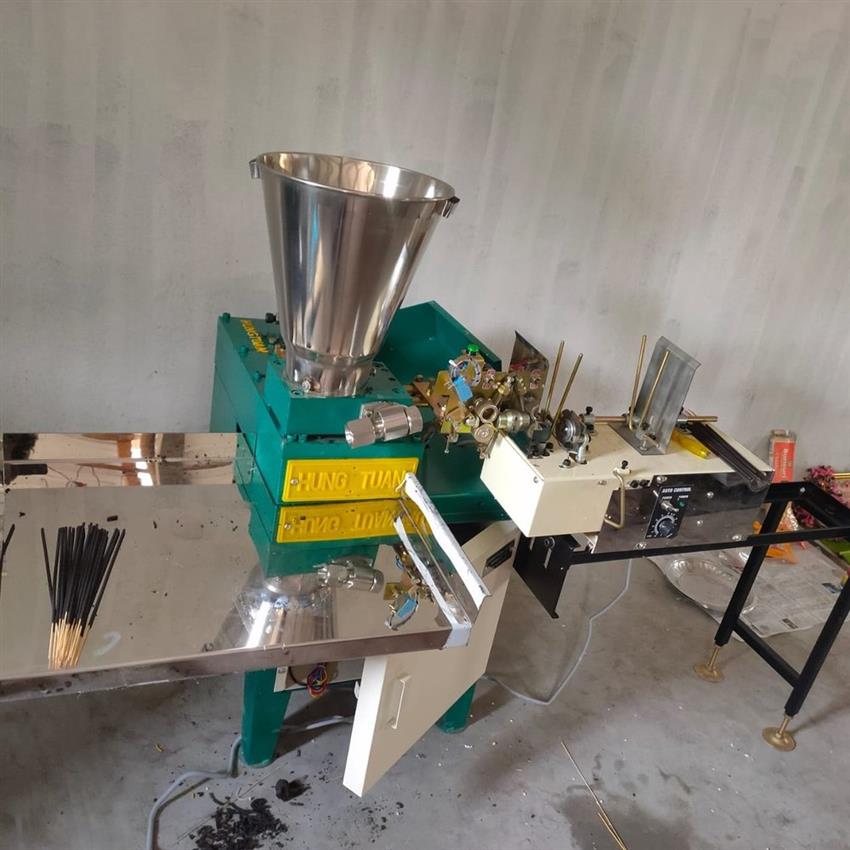
Starting an Agarbatti Business - Semi-Automatic Machines
Price: ₹15348
Semi-Automatic vs Manual Agarbatti Machines
Investing in a quality agarbatti making machine can transform a small business into a thriving manufacturing operation.
Key Aspects and Features
Building a strong distribution network is crucial for the success of an agarbatti manufacturing business. This includes establishing relationships with wholesalers, retailers, puja supply stores, temples, and online platforms. Many successful manufacturers use a combination of direct sales and distribution channels to maximize market coverage. Trade fairs and industry exhibitions provide excellent opportunities to connect with potential buyers and distributors.
The return on investment for agarbatti making machines is typically attractive, with most manufacturers reporting payback periods of 8 to 14 months. The key factors that influence ROI include production volume, raw material costs, selling prices, and operational efficiency. Manufacturers who maintain high machine utilization rates and minimize material waste achieve the best returns on their investment.
Business and Market Overview
Training operators to efficiently run agarbatti making machines is essential for achieving consistent production quality and maximizing output. Training should cover machine operation, basic maintenance, quality inspection, safety procedures, and troubleshooting. Many machine manufacturers offer comprehensive training programs as part of the purchase agreement, and ongoing skill development helps maintain high production standards.
Innovation in agarbatti making technology continues to drive improvements in production efficiency, product quality, and operational convenience. Recent innovations include automatic masala mixing systems, precision fragrance dosing, digital production counters, and improved coating mechanisms for uniform stick coverage. These technological advancements help manufacturers stay competitive in a rapidly evolving market.
Production and Operations
Machine maintenance is essential for ensuring consistent production quality and maximizing machine lifespan. Regular maintenance tasks include lubrication, blade sharpening, roller adjustment, calibration, and inspection of wear parts. Developing a comprehensive maintenance schedule and training operators on basic maintenance procedures helps prevent unplanned downtime and costly repairs.
Conclusion
The future of agarbatti manufacturing in India looks promising with continued growth in spiritual practices, expanding export markets, and increasing demand for natural and organic incense products. Manufacturers who invest in quality production capabilities today will be well positioned to benefit from these long term market trends.
Buy Now
agarbatti making machine supplier
agarbatti making machine price
agarbatti business
agarbatti bamboo stick machine
agarbatti machine maintenance
agarbatti machine cost
agarbatti manufacturing process
incense making machine
agarbatti machine
agarbatti manufacturing machine
agarbatti manufacturing business
agarbatti production capacity
dhoop stick machine
agarbatti stick making machine
agarbatti business profit
agarbatti making business
agarbatti production line