- kesyaipl2@gmail.com
- Rajdhani Park, Mubarkpur, Delhi, 110041, India
Blogs

Strategic Best Practices for Notebook Businesses
Price: ₹937473
Best Practices for Notebook Manufacturing
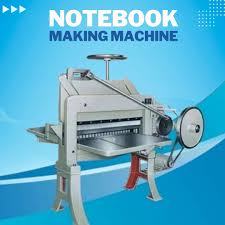
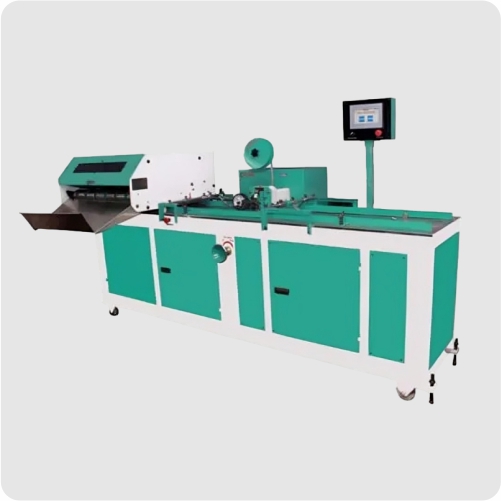
Modern notebook making machines combine advanced engineering with user friendly controls to deliver exceptional production results.
Key Aspects and Features
The environmental benefits of paper notebooks over digital alternatives have become increasingly significant in today's market. Paper notebooks are biodegradable, recyclable, and made from renewable resources. As environmental awareness grows among consumers, the demand for eco friendly notebooks continues to increase. Manufacturers who emphasize sustainability in their production process and marketing can gain a competitive advantage in the market.
Government schemes like Mudra Loan, PMEGP, and various state level industrial policies provide excellent financial support for entrepreneurs looking to start notebook manufacturing businesses. Under these schemes, entrepreneurs can avail loans up to ten lakhs without collateral, making it easier to invest in quality machinery and raw materials. Many states also offer subsidies on machinery and infrastructure for small scale manufacturing units.
Business and Market Overview
The competitive landscape in the notebook industry includes both large established brands and numerous small to medium manufacturers. While brand recognition plays a role in premium segments, the bulk of notebook sales happen through wholesale channels where price and quality are the primary differentiators. Small manufacturers can compete effectively by offering competitive pricing, consistent quality, and responsive customer service.
The role of technology in modern notebook manufacturing cannot be overstated. From automated paper feeding systems to computerized quality control, technology enhances every aspect of the production process. Manufacturers who embrace technological advancements gain significant competitive advantages in terms of efficiency, quality, and cost.
Production and Operations
Modern notebook making machines come equipped with PLC controllers and touch screen interfaces that allow operators to easily adjust production parameters such as paper size, binding type, cutting dimensions, and production speed. This level of automation reduces the dependency on skilled labor while significantly increasing production output and consistency. The intuitive controls make it possible for new operators to become proficient within a short training period.
Conclusion
The future of notebook manufacturing in India looks promising with continued growth in education, expanding corporate sectors, and increasing environmental awareness favoring paper notebooks over digital alternatives. Manufacturers who invest in quality production capabilities today will be well positioned to benefit from these long term market trends.
Buy Now
notebook manufacturing
notebook manufacturing process
notebook cutting machine
notebook making machine price
notebook machine features
how to start notebook business
notebook making machine supplier
notebook cutting and folding
notebook business
automatic notebook machine
notebook binding machine
notebook manufacturing business