- kesyaipl2@gmail.com
- Rajdhani Park, Mubarkpur, Delhi, 110041, India
Blogs

Superior Paper Plate Production System
Price: ₹72747
Superior Paper Plate Production System
Introduction
Proper installation of a paper plate making machine is critical for achieving optimal performance and ensuring operator safety. The installation process typically involves site preparation, machine assembly, electrical connections, testing, and operator training. Following the manufacturer's installation guidelines ensures that the machine operates as designed and maintains its warranty coverage.
Site preparation for a paper plate making machine should include ensuring adequate floor space, proper electrical supply, appropriate ventilation, and suitable lighting. The machine should be placed on a level, vibration-free surface to ensure accurate plate formation. Most manufacturers provide detailed site preparation guidelines that specify minimum space requirements and utility specifications.
The commissioning process after machine installation involves running test production to verify that all systems are functioning correctly and that the produced plates meet quality specifications. During commissioning, operators are trained on machine operation, basic troubleshooting, and safety procedures. This hands-on training ensures that the production team is confident and competent in operating the new equipment.
Post-installation support from the machine manufacturer or supplier is valuable for optimizing machine performance and addressing any initial operational challenges. Many manufacturers offer on-site support during the first few weeks of operation, helping operators fine-tune machine settings and resolve any issues that arise. This support helps ensure a smooth transition to production and faster achievement of target output levels.
When it comes to choosing the right equipment for paper plate manufacturing, understanding the nuances of different machine types and their capabilities is essential. The market offers a wide range of options from basic manual machines to sophisticated fully automatic production lines. Each type has its own set of advantages and limitations that should be carefully evaluated against your specific business requirements and budget constraints.
The paper plate manufacturing industry continues to evolve with new technologies and innovations emerging regularly. Staying informed about the latest developments helps manufacturers make better decisions about equipment upgrades, process improvements, and market strategies. Industry associations, trade publications, and technology exhibitions are valuable sources of information about industry trends and best practices.
Customer feedback and market research play a vital role in shaping product development and business strategy in the paper plate industry. Understanding what customers value most in paper plates whether it is price, quality, design, or environmental credentials helps manufacturers focus their efforts and resources on the areas that matter most to their target market.
Overview
The market for paper plates continues to expand globally, driven by increasing urbanization, changing lifestyles, and growing environmental awareness. The food service industry, which includes restaurants, hotels, catering companies, and food courts, represents the largest consumer segment for paper plates. The paper plate making machine enables manufacturers to serve this growing market with competitively priced, high-quality products.
Seasonal demand patterns in the paper plate industry create opportunities for manufacturers to optimize their production and inventory management. Demand typically peaks during festival seasons, wedding seasons, and holiday periods when large gatherings and celebrations drive increased consumption of disposable tableware. Planning production schedules around these demand patterns helps manufacturers maximize their revenue and profitability.
The competitive landscape in the paper plate industry includes both organized and unorganized sectors. While large manufacturers benefit from economies of scale and established distribution networks, small and medium manufacturers can compete effectively by offering specialized products, better quality, and personalized customer service. The paper plate making machine gives small manufacturers the production capabilities to compete in this dynamic market.
Market research is essential for paper plate manufacturers to understand customer needs, competitive dynamics, and growth opportunities. Regular engagement with customers, distributors, and industry associations provides valuable insights into market trends and emerging opportunities. Manufacturers who invest in understanding their market are better positioned to adapt their products and strategies to meet evolving customer demands.
The financial aspects of running a paper plate making business require careful management to ensure long-term viability. Regular financial analysis, cash flow management, and cost optimization are essential business practices. Working with experienced accountants or financial advisors can help manufacturers make informed decisions about investments, pricing, and growth strategies.
Building a strong team is crucial for the success of any paper plate making operation. From skilled machine operators to quality control personnel and sales staff, each team member contributes to the overall performance of the business. Investing in employee development, creating a positive work environment, and offering competitive compensation helps attract and retain talented individuals.
Supply chain management in the paper plate industry involves coordinating with raw material suppliers, machine manufacturers, packaging providers, and logistics partners. Building strong relationships with reliable suppliers ensures consistent access to quality materials at competitive prices. Effective supply chain management contributes directly to product quality, delivery reliability, and cost efficiency.
Key Features
The future of the paper plate making machine industry looks promising with several positive trends supporting continued growth. Advances in automation technology, materials science, and sustainable manufacturing practices are driving innovation in the sector. Manufacturers who embrace these advancements and invest in modern equipment will be well-positioned to capture growth opportunities in the evolving market.
Biodegradable and compostable coatings for paper plates represent an important area of innovation. As consumers and regulators demand more sustainable products, the development of plant-based and water-based coatings that provide the same performance as traditional polyethylene coatings will accelerate. The paper plate making machine that can work with these new coating materials will have a significant market advantage.
Smart manufacturing technologies including IoT sensors, cloud-based monitoring, and AI-powered optimization are beginning to influence paper plate production. These technologies enable real-time monitoring of production parameters, predictive maintenance, and quality optimization. Early adopters of these technologies can achieve significant competitive advantages in efficiency and product quality.
The global paper plate market is expected to continue its growth trajectory driven by urbanization, changing food consumption patterns, environmental awareness, and regulatory support. The paper plate making machine represents a sound investment for entrepreneurs and businesses looking to participate in this growing industry. With proper planning, quality equipment, and effective execution, paper plate manufacturing offers attractive returns on investment.
Marketing and sales strategies for paper plates should be tailored to the specific target market and distribution channels. For wholesale markets, emphasis should be on competitive pricing, consistent quality, and reliable supply. For retail markets, attractive packaging, brand building, and point-of-sale materials are important. For institutional buyers, product specifications, certifications, and service capabilities are key differentiators.
Environmental sustainability is becoming an increasingly important consideration for paper plate manufacturers. Implementing sustainable practices such as using recycled materials, minimizing energy consumption, reducing waste, and obtaining environmental certifications can provide competitive advantages and attract environmentally conscious customers and partners.
When it comes to choosing the right equipment for paper plate manufacturing, understanding the nuances of different machine types and their capabilities is essential. The market offers a wide range of options from basic manual machines to sophisticated fully automatic production lines. Each type has its own set of advantages and limitations that should be carefully evaluated against your specific business requirements and budget constraints.
Benefits and Advantages
Safety features in modern paper plate making machines protect operators and ensure a safe working environment. These features include emergency stop buttons, safety guards around moving parts, thermal protection on heating elements, overload protection on motors, and clear warning labels. Machines that incorporate comprehensive safety features demonstrate the manufacturer's commitment to operator welfare and regulatory compliance.
Regular safety inspections and risk assessments help identify and address potential hazards in the paper plate making operation. Safety protocols should cover machine operation, material handling, electrical safety, fire prevention, and personal protective equipment requirements. A proactive approach to safety prevents workplace accidents and ensures compliance with occupational health and safety regulations.
Operator training on safety procedures is essential for preventing accidents in the paper plate making workplace. Training should cover the proper use of safety features, emergency procedures, lockout and tagout protocols, and safe material handling practices. Regular safety drills and refresher training help maintain awareness and preparedness among the workforce.
The working environment around paper plate making machines should meet basic safety standards including adequate ventilation, proper lighting, non-slip flooring, and clear emergency exits. Fire safety measures including fire extinguishers, smoke detectors, and emergency evacuation plans should be in place. A safe working environment contributes to employee morale, productivity, and regulatory compliance.
The paper plate manufacturing industry continues to evolve with new technologies and innovations emerging regularly. Staying informed about the latest developments helps manufacturers make better decisions about equipment upgrades, process improvements, and market strategies. Industry associations, trade publications, and technology exhibitions are valuable sources of information about industry trends and best practices.
Customer feedback and market research play a vital role in shaping product development and business strategy in the paper plate industry. Understanding what customers value most in paper plates whether it is price, quality, design, or environmental credentials helps manufacturers focus their efforts and resources on the areas that matter most to their target market.
The financial aspects of running a paper plate making business require careful management to ensure long-term viability. Regular financial analysis, cash flow management, and cost optimization are essential business practices. Working with experienced accountants or financial advisors can help manufacturers make informed decisions about investments, pricing, and growth strategies.
How It Works
Technological advancements in paper plate making machines have significantly improved production efficiency, product quality, and operational convenience. Modern machines incorporate PLC controllers that automate the entire production process with minimal human intervention. These intelligent control systems can store multiple production recipes, making it easy to switch between different plate sizes and designs without lengthy setup procedures.
Touch screen interfaces have revolutionized the way operators interact with paper plate making machines. These intuitive interfaces provide real-time production data, allow parameter adjustments with simple touches, and display alerts and maintenance reminders. The visual nature of touch screen controls reduces training time and minimizes operator errors, contributing to higher overall equipment effectiveness.
Energy efficiency has become a key focus area in modern paper plate making machine design. Advanced heating systems, efficient motors, and intelligent power management controls help reduce energy consumption while maintaining production speeds. Some machines incorporate energy recovery systems that capture and reuse heat generated during the pressing process, further reducing operational costs.
Industry 4.0 concepts are beginning to influence paper plate making machine design, with features like remote monitoring, predictive maintenance, and data analytics becoming available on premium machines. These connected features enable manufacturers to optimize their operations using real-time data, predict maintenance needs before breakdowns occur, and manage multiple machines from a central location.
Building a strong team is crucial for the success of any paper plate making operation. From skilled machine operators to quality control personnel and sales staff, each team member contributes to the overall performance of the business. Investing in employee development, creating a positive work environment, and offering competitive compensation helps attract and retain talented individuals.
Supply chain management in the paper plate industry involves coordinating with raw material suppliers, machine manufacturers, packaging providers, and logistics partners. Building strong relationships with reliable suppliers ensures consistent access to quality materials at competitive prices. Effective supply chain management contributes directly to product quality, delivery reliability, and cost efficiency.
Marketing and sales strategies for paper plates should be tailored to the specific target market and distribution channels. For wholesale markets, emphasis should be on competitive pricing, consistent quality, and reliable supply. For retail markets, attractive packaging, brand building, and point-of-sale materials are important. For institutional buyers, product specifications, certifications, and service capabilities are key differentiators.
Technical Specifications
The durability of a paper plate making machine is determined by the quality of its components, the robustness of its design, and the care taken during operation and maintenance. High-quality machines manufactured from premium-grade materials and components can operate reliably for many years with proper maintenance. Investing in a durable machine reduces the total cost of ownership and provides consistent production capabilities.
Wear parts in paper plate making machines include dies, heating elements, bearings, seals, and paper feeding components. These parts are subject to normal wear during operation and should be replaced at regular intervals to maintain production quality and efficiency. Maintaining an inventory of critical spare parts minimizes downtime when replacements are needed.
Frame and structural components of paper plate making machines should be manufactured from high-grade steel or cast iron to ensure rigidity and stability during operation. A robust frame minimizes vibration, which contributes to consistent plate formation and extends the life of precision components. The quality of welding and assembly also significantly impacts the machine's structural integrity.
The warranty provided by machine manufacturers reflects their confidence in the product's durability and reliability. Manufacturers who offer comprehensive warranty coverage demonstrate their commitment to customer satisfaction and stand behind the quality of their equipment. When evaluating machine purchases, warranty terms and conditions should be carefully reviewed alongside the initial price.
Environmental sustainability is becoming an increasingly important consideration for paper plate manufacturers. Implementing sustainable practices such as using recycled materials, minimizing energy consumption, reducing waste, and obtaining environmental certifications can provide competitive advantages and attract environmentally conscious customers and partners.
When it comes to choosing the right equipment for paper plate manufacturing, understanding the nuances of different machine types and their capabilities is essential. The market offers a wide range of options from basic manual machines to sophisticated fully automatic production lines. Each type has its own set of advantages and limitations that should be carefully evaluated against your specific business requirements and budget constraints.
The paper plate manufacturing industry continues to evolve with new technologies and innovations emerging regularly. Staying informed about the latest developments helps manufacturers make better decisions about equipment upgrades, process improvements, and market strategies. Industry associations, trade publications, and technology exhibitions are valuable sources of information about industry trends and best practices.
Production Capacity
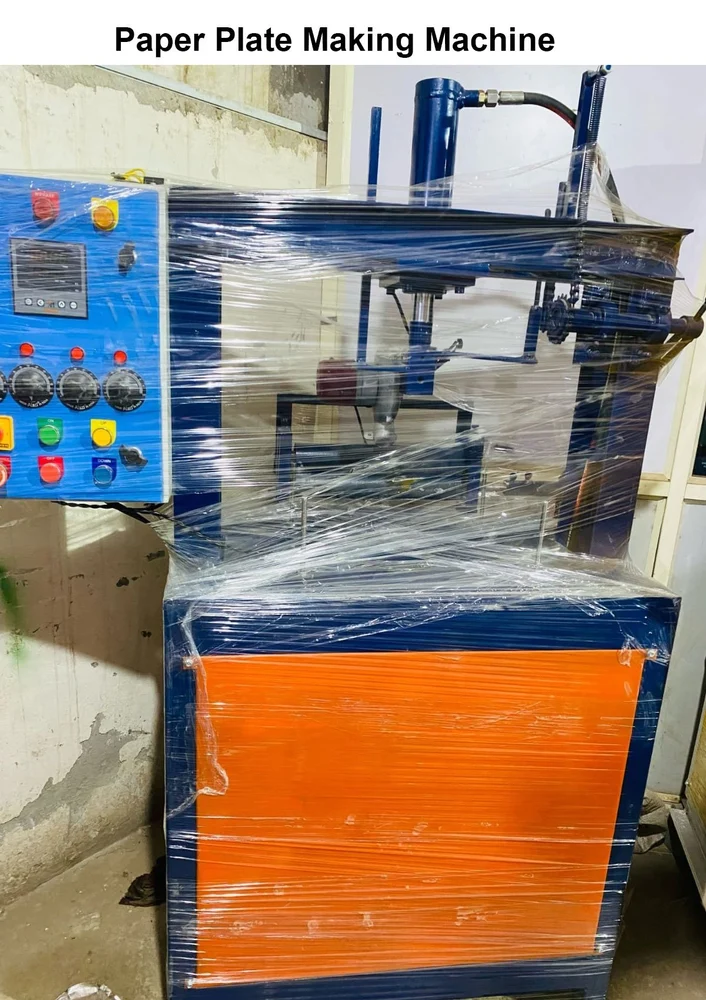
Hydraulic paper plate making machines use hydraulic pressure to form plates from raw paper material. The hydraulic system provides consistent and adjustable pressure, allowing operators to produce plates of various thicknesses and densities. Hydraulic machines are known for their ability to produce thicker and more rigid plates compared to mechanical machines, making them ideal for heavy-duty applications where plate strength is important.
The hydraulic mechanism in paper plate making machines works by using a hydraulic pump to generate pressure that is transferred to the pressing die. This pressure can be precisely controlled using pressure adjustment valves, giving operators fine control over the plate formation process. Hydraulic machines are particularly effective for producing large plates and plates from thicker paper stock that require higher forming pressure.
Hydraulic paper plate making machines offer several advantages including smooth operation, adjustable pressure settings, lower noise levels compared to mechanical machines, and the ability to produce a wider range of plate sizes. The hydraulic system also provides automatic overload protection, which helps prevent damage to the machine and ensures consistent product quality. These machines are favored by manufacturers who prioritize product quality and versatility.
Investing in a hydraulic paper plate making machine is a smart decision for businesses that need to produce high-quality plates with consistent weight and thickness. The hydraulic system ensures uniform pressure distribution across the die surface, resulting in plates with even edges and smooth surfaces. The maintenance requirements for hydraulic machines are relatively straightforward, primarily involving regular hydraulic fluid checks and seal inspections.
Customer feedback and market research play a vital role in shaping product development and business strategy in the paper plate industry. Understanding what customers value most in paper plates whether it is price, quality, design, or environmental credentials helps manufacturers focus their efforts and resources on the areas that matter most to their target market.
The financial aspects of running a paper plate making business require careful management to ensure long-term viability. Regular financial analysis, cash flow management, and cost optimization are essential business practices. Working with experienced accountants or financial advisors can help manufacturers make informed decisions about investments, pricing, and growth strategies.
Building a strong team is crucial for the success of any paper plate making operation. From skilled machine operators to quality control personnel and sales staff, each team member contributes to the overall performance of the business. Investing in employee development, creating a positive work environment, and offering competitive compensation helps attract and retain talented individuals.
Business Opportunity
Calculating the profit potential of a paper plate making business requires a thorough understanding of all costs involved in production. The major cost components include raw material costs, machine depreciation, labor costs, energy costs, rent, packaging materials, and overhead expenses. By carefully tracking these costs and comparing them against selling prices, manufacturers can determine their profit margins and make informed business decisions.
The profit margin in paper plate manufacturing can be quite attractive when operations are managed efficiently. For standard white paper plates, the raw material cost per plate is typically very low, and with automated production, the labor cost per plate is minimal. The selling price to wholesalers and retailers provides a healthy margin that can support business growth and expansion into new product lines.
Many paper plate manufacturers report that they can recover their machine investment within 6 to 12 months of starting operations, depending on production volume and market conditions. The key to achieving this rapid payback is maintaining high machine utilization rates, minimizing waste, and securing favorable pricing for both raw materials and finished products. Building a strong customer base ensures consistent demand and steady revenue.
Expanding a paper plate making business can be achieved through several strategies including adding new machine types, introducing different plate designs, entering new geographic markets, and developing relationships with large institutional buyers. Some manufacturers also diversify by producing complementary products such as paper cups, napkins, and food containers using similar raw materials and production techniques.
Supply chain management in the paper plate industry involves coordinating with raw material suppliers, machine manufacturers, packaging providers, and logistics partners. Building strong relationships with reliable suppliers ensures consistent access to quality materials at competitive prices. Effective supply chain management contributes directly to product quality, delivery reliability, and cost efficiency.
Marketing and sales strategies for paper plates should be tailored to the specific target market and distribution channels. For wholesale markets, emphasis should be on competitive pricing, consistent quality, and reliable supply. For retail markets, attractive packaging, brand building, and point-of-sale materials are important. For institutional buyers, product specifications, certifications, and service capabilities are key differentiators.
Environmental sustainability is becoming an increasingly important consideration for paper plate manufacturers. Implementing sustainable practices such as using recycled materials, minimizing energy consumption, reducing waste, and obtaining environmental certifications can provide competitive advantages and attract environmentally conscious customers and partners.
Profit Potential
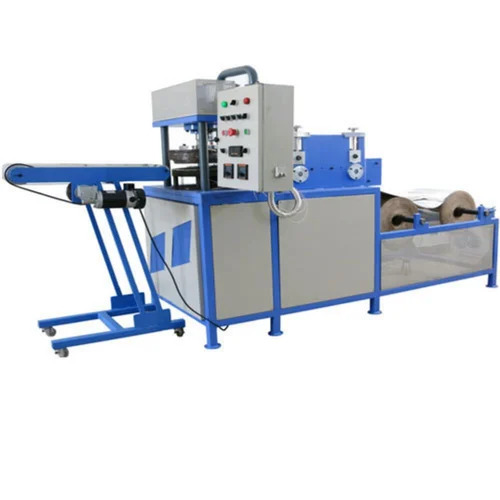
The paper plate making machine has revolutionized the disposable tableware industry with its remarkable efficiency and consistent output quality. This innovative piece of industrial equipment uses precision engineering to transform raw paper materials into perfectly shaped plates within seconds. Modern paper plate making machines are designed to handle various sizes, thicknesses, and designs while maintaining high production speeds. The machine operates through a systematic process where paper rolls are fed into the system, cut to size, pressed into shape, and ejected as finished products ready for packaging.
In today's fast-paced world, the demand for disposable tableware continues to grow at an unprecedented rate. The paper plate making machine stands at the forefront of this booming industry, providing entrepreneurs and manufacturers with the tools they need to capitalize on this opportunity. These machines are engineered with advanced technology that ensures each plate produced meets strict quality standards while maximizing production efficiency. From small-scale home businesses to large industrial manufacturing units, paper plate making machines cater to a wide range of production requirements.
The evolution of paper plate making technology has been remarkable over the past decade. Early machines were simple manual devices that required significant human intervention, but today's machines incorporate sophisticated automation features including PLC controllers, touch screen interfaces, and servo-driven mechanisms. These technological advancements have dramatically increased production capacity while reducing operational costs and human error. The modern paper plate making machine can produce thousands of plates per hour while maintaining dimensional accuracy and finish quality.
Starting a paper plate making business has become increasingly accessible thanks to the availability of affordable yet high-quality machines in the Indian market. The investment required to set up a paper plate manufacturing unit has decreased significantly while production capabilities have improved substantially. This combination of lower entry barriers and higher productivity has attracted thousands of entrepreneurs from diverse backgrounds to enter the paper plate manufacturing industry.
When it comes to choosing the right equipment for paper plate manufacturing, understanding the nuances of different machine types and their capabilities is essential. The market offers a wide range of options from basic manual machines to sophisticated fully automatic production lines. Each type has its own set of advantages and limitations that should be carefully evaluated against your specific business requirements and budget constraints.
The paper plate manufacturing industry continues to evolve with new technologies and innovations emerging regularly. Staying informed about the latest developments helps manufacturers make better decisions about equipment upgrades, process improvements, and market strategies. Industry associations, trade publications, and technology exhibitions are valuable sources of information about industry trends and best practices.
Customer feedback and market research play a vital role in shaping product development and business strategy in the paper plate industry. Understanding what customers value most in paper plates whether it is price, quality, design, or environmental credentials helps manufacturers focus their efforts and resources on the areas that matter most to their target market.
Market Analysis
The export market for paper plates offers significant growth opportunities for Indian manufacturers. Growing environmental awareness and plastic bans in many countries have increased demand for biodegradable and compostable tableware. Indian paper plate manufacturers can leverage their cost advantages and improving quality standards to compete in international markets across Asia, Europe, North America, and the Middle East.
Preparing for export markets requires manufacturers to meet international quality standards, obtain relevant certifications, and understand the regulatory requirements of target markets. Certifications such as ISO, FSSAI, and food-grade compliance are often required for exporting paper plates to developed markets. The paper plate making machine should be capable of producing plates that meet these stringent international standards.
Building an export business takes time and requires investment in market research, relationship building, and logistics capabilities. Trade exhibitions, online B2B platforms, and export promotion agencies are valuable channels for connecting with international buyers. Manufacturers who develop strong export capabilities can achieve higher margins and more diversified revenue streams compared to those focused solely on the domestic market.
Logistics and supply chain management are critical success factors in the paper plate export business. The lightweight nature of paper plates can make international shipping costs a significant factor in pricing. Manufacturers need to optimize packaging density, choose appropriate shipping methods, and establish reliable logistics partners to deliver products competitively to international destinations.
The financial aspects of running a paper plate making business require careful management to ensure long-term viability. Regular financial analysis, cash flow management, and cost optimization are essential business practices. Working with experienced accountants or financial advisors can help manufacturers make informed decisions about investments, pricing, and growth strategies.
Building a strong team is crucial for the success of any paper plate making operation. From skilled machine operators to quality control personnel and sales staff, each team member contributes to the overall performance of the business. Investing in employee development, creating a positive work environment, and offering competitive compensation helps attract and retain talented individuals.
Supply chain management in the paper plate industry involves coordinating with raw material suppliers, machine manufacturers, packaging providers, and logistics partners. Building strong relationships with reliable suppliers ensures consistent access to quality materials at competitive prices. Effective supply chain management contributes directly to product quality, delivery reliability, and cost efficiency.
Raw Materials
Customization capabilities in paper plate making machines allow manufacturers to produce plates with unique designs, sizes, and features that differentiate their products in the market. Custom dies can create plates with embossed patterns, special shapes, custom rim designs, and brand logos. This customization ability helps manufacturers serve niche markets and command premium pricing for specialized products.
The paper plate market offers numerous customization opportunities including different plate diameters, depth variations, rim styles, and surface textures. Common plate sizes range from small 4-inch plates for condiments to large 12-inch plates for full meals. Each size can have multiple depth and rim options to suit different food service applications. Versatile machines that can produce multiple sizes provide greater business flexibility.
Color printing and lamination capabilities add significant value to paper plates and open up opportunities in premium market segments. Some paper plate making machines can integrate with printing systems to produce plates with custom designs and brand elements. Printed plates are particularly popular for weddings, parties, corporate events, and branded food service operations.
Working with customers on custom product development helps manufacturers build stronger relationships and understand market trends. Offering customization services demonstrates manufacturing capability and flexibility that differentiates the manufacturer from competitors who only offer standard products. Customization projects often lead to larger orders as satisfied customers return for repeat business.
Marketing and sales strategies for paper plates should be tailored to the specific target market and distribution channels. For wholesale markets, emphasis should be on competitive pricing, consistent quality, and reliable supply. For retail markets, attractive packaging, brand building, and point-of-sale materials are important. For institutional buyers, product specifications, certifications, and service capabilities are key differentiators.
Environmental sustainability is becoming an increasingly important consideration for paper plate manufacturers. Implementing sustainable practices such as using recycled materials, minimizing energy consumption, reducing waste, and obtaining environmental certifications can provide competitive advantages and attract environmentally conscious customers and partners.
When it comes to choosing the right equipment for paper plate manufacturing, understanding the nuances of different machine types and their capabilities is essential. The market offers a wide range of options from basic manual machines to sophisticated fully automatic production lines. Each type has its own set of advantages and limitations that should be carefully evaluated against your specific business requirements and budget constraints.
Quality Standards
The price of a paper plate making machine varies significantly based on its type, capacity, features, and build quality. Manual machines are the most affordable option, making them accessible to entrepreneurs with limited capital. Semi-automatic machines offer enhanced features at a moderate price point, while fully automatic machines command premium prices due to their advanced technology and higher production capabilities.
When evaluating paper plate making machine prices, it is important to consider the total cost of ownership rather than just the initial purchase price. Factors such as energy consumption, maintenance costs, spare parts availability, and expected service life should all be factored into the purchasing decision. A slightly more expensive machine with lower operating costs may prove more economical over its lifetime.
The Indian market offers paper plate making machines at various price points to suit different business requirements and budgets. Entry-level machines suitable for small-scale operations are available at affordable prices, while industrial-grade machines with advanced features command higher prices. Government subsidies and financing options can help entrepreneurs acquire machines that might otherwise be beyond their immediate budget.
Comparing prices from multiple manufacturers and suppliers is essential before making a purchasing decision. Online marketplaces, trade exhibitions, and industry directories are valuable resources for researching machine prices and specifications. It is also advisable to request detailed quotations that include all components, installation, training, and warranty coverage to make accurate comparisons between different offerings.
The paper plate manufacturing industry continues to evolve with new technologies and innovations emerging regularly. Staying informed about the latest developments helps manufacturers make better decisions about equipment upgrades, process improvements, and market strategies. Industry associations, trade publications, and technology exhibitions are valuable sources of information about industry trends and best practices.
Customer feedback and market research play a vital role in shaping product development and business strategy in the paper plate industry. Understanding what customers value most in paper plates whether it is price, quality, design, or environmental credentials helps manufacturers focus their efforts and resources on the areas that matter most to their target market.
The financial aspects of running a paper plate making business require careful management to ensure long-term viability. Regular financial analysis, cash flow management, and cost optimization are essential business practices. Working with experienced accountants or financial advisors can help manufacturers make informed decisions about investments, pricing, and growth strategies.
Maintenance
The space requirements for a paper plate making operation depend on the type and number of machines, the volume of raw materials and finished goods inventory, and the operational workflow. A small-scale operation with one or two manual machines may require as little as 200 to 400 square feet, while a medium-sized operation with automatic machines typically needs 800 to 1500 square feet. Large industrial operations may require several thousand square feet.
Efficient layout planning for a paper plate making facility should consider the flow of materials from raw paper storage through the production area to finished goods storage and shipping. The layout should minimize material handling distances, provide adequate workspace around each machine, and allow for future expansion. Good ventilation and lighting are important for both operator comfort and product quality.
Storage considerations for a paper plate making operation include secure, dry storage for raw paper rolls and protected storage for finished plates. Paper rolls should be stored off the floor in a dry environment to prevent moisture damage. Finished plates should be packaged and stored in a way that prevents crushing and contamination. Adequate storage space ensures continuous production without interruptions.
The cost of space is an important factor in the overall economics of a paper plate making business. Industrial area locations typically offer better infrastructure and utilities but may have higher rent compared to rural or semi-urban locations. Some manufacturers choose to establish operations in their own properties to eliminate ongoing rent costs and have greater control over their facility.
Building a strong team is crucial for the success of any paper plate making operation. From skilled machine operators to quality control personnel and sales staff, each team member contributes to the overall performance of the business. Investing in employee development, creating a positive work environment, and offering competitive compensation helps attract and retain talented individuals.
Supply chain management in the paper plate industry involves coordinating with raw material suppliers, machine manufacturers, packaging providers, and logistics partners. Building strong relationships with reliable suppliers ensures consistent access to quality materials at competitive prices. Effective supply chain management contributes directly to product quality, delivery reliability, and cost efficiency.
Marketing and sales strategies for paper plates should be tailored to the specific target market and distribution channels. For wholesale markets, emphasis should be on competitive pricing, consistent quality, and reliable supply. For retail markets, attractive packaging, brand building, and point-of-sale materials are important. For institutional buyers, product specifications, certifications, and service capabilities are key differentiators.
Safety Features
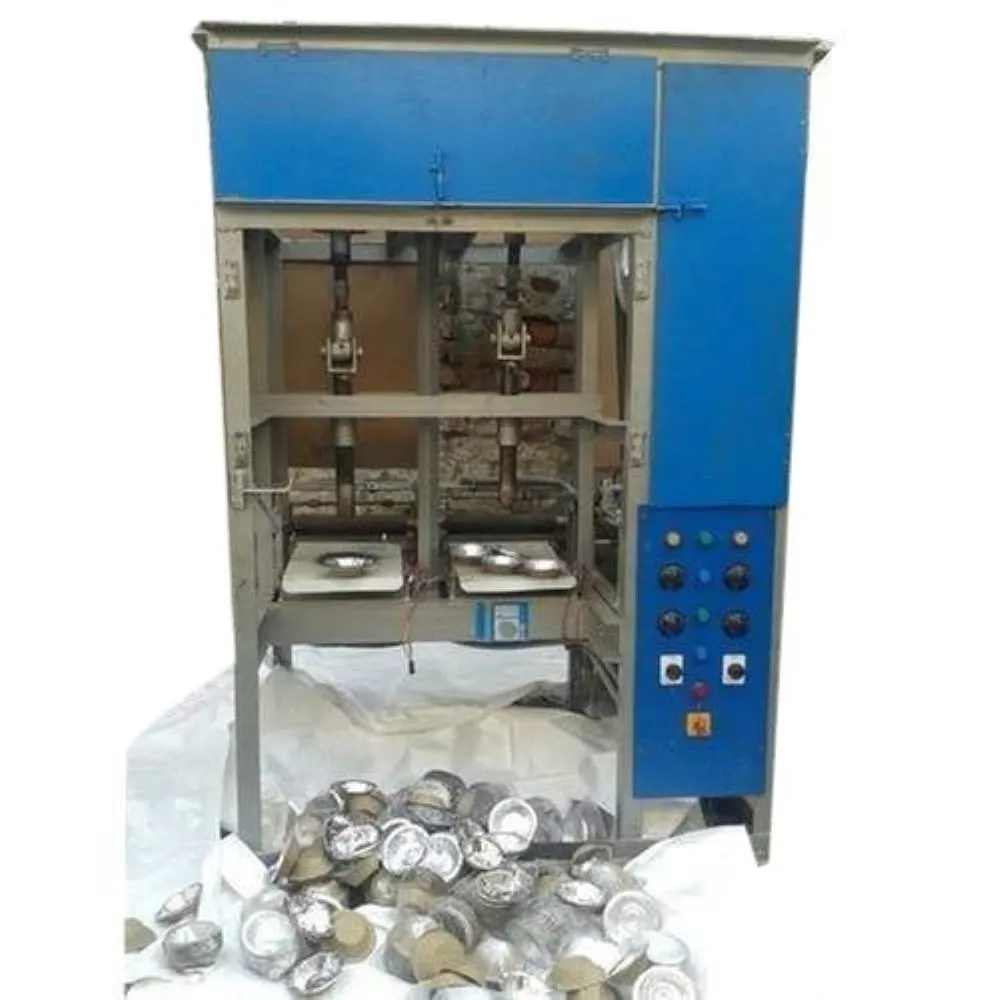
The production process in a paper plate making machine follows a well-defined sequence of operations. First, the paper roll is loaded onto the feeding mechanism and threaded through the guide rollers. The paper is then fed into the cutting and forming section where it is cut to the appropriate size and pressed into the plate shape using heated dies. The formed plates are then ejected from the die and collected in a stacking unit.
Heating plays a crucial role in the paper plate making process as it helps the paper conform to the die shape and activates any coating materials on the paper surface. Most paper plate making machines use electric heating elements that can be precisely controlled to maintain optimal temperature throughout the production run. The typical operating temperature ranges from 120 to 200 degrees Celsius depending on the paper type and coating used.
Die design is a critical factor in determining the shape, size, and appearance of the finished paper plates. Dies are typically manufactured from high-grade aluminum or steel and are precision-machined to ensure accurate plate formation. Custom dies can be designed to create plates with unique patterns, logos, or embossed designs. The die temperature and pressure settings must be optimized for each type of paper and coating used.
Quality control during the paper plate making process involves regular inspection of finished plates for dimensional accuracy, surface finish, coating coverage, and overall appearance. Production parameters should be monitored continuously to ensure consistency throughout the production run. Statistical process control techniques can be employed to identify and correct deviations before they result in defective products.
Environmental sustainability is becoming an increasingly important consideration for paper plate manufacturers. Implementing sustainable practices such as using recycled materials, minimizing energy consumption, reducing waste, and obtaining environmental certifications can provide competitive advantages and attract environmentally conscious customers and partners.
When it comes to choosing the right equipment for paper plate manufacturing, understanding the nuances of different machine types and their capabilities is essential. The market offers a wide range of options from basic manual machines to sophisticated fully automatic production lines. Each type has its own set of advantages and limitations that should be carefully evaluated against your specific business requirements and budget constraints.
The paper plate manufacturing industry continues to evolve with new technologies and innovations emerging regularly. Staying informed about the latest developments helps manufacturers make better decisions about equipment upgrades, process improvements, and market strategies. Industry associations, trade publications, and technology exhibitions are valuable sources of information about industry trends and best practices.
Conclusion and Final Thoughts
The paper plate making machine represents an excellent investment opportunity for entrepreneurs and businesses looking to capitalize on the growing demand for disposable tableware. With its combination of low operating costs, high production efficiency, and strong market demand, the paper plate manufacturing business offers attractive returns on investment. Whether you are starting a new venture or expanding an existing operation, choosing the right machine and implementing best practices in production and marketing will be key to your success.
As the world moves increasingly towards sustainable and eco-friendly products, the demand for paper plates will continue to grow. Manufacturers who invest in modern, efficient paper plate making machines today will be well-positioned to benefit from this long-term trend. The key to success lies in choosing quality equipment, sourcing good raw materials, maintaining high product standards, and building strong customer relationships. With dedication and smart business practices, a paper plate making venture can provide sustainable income and long-term business growth for years to come.
Take the first step towards your paper plate making business today by researching the available machine options, understanding your local market dynamics, and developing a comprehensive business plan. The journey of a thousand miles begins with a single step, and your journey into the profitable world of paper plate manufacturing starts with making an informed decision about the right machine for your needs. The industry is ready for new players, and the opportunities are abundant for those who are willing to take action.
Buy Now
paper plate making machine
paper plate machine
paper plate manufacturing
paper plate production
paper plate business
paper plate machine price
automatic paper plate machine
paper plate making business
best paper plate machine
paper plate machine for small business
paper plate manufacturing business
how to start paper plate business
paper plate machine profit
paper plate making machine features
paper plate machine maintenance