- kesyaipl2@gmail.com
- Rajdhani Park, Mubarkpur, Delhi, 110041, India
Blogs
Top Slipper Making Machine Company in India | Kesya International
Price: ₹53500
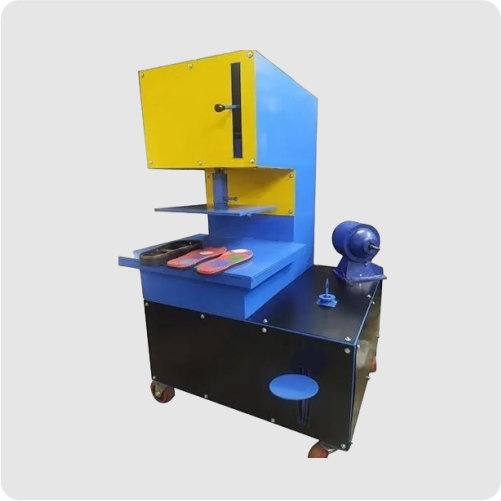
Slipper Making Machine for Footwear Manufacturers
The demand for slippers in India creates opportunities for footwear manufacturers, wholesalers and entrepreneurs. Slippers are used for everyday activities and are available in different designs, sizes and materials. Businesses entering this market need suitable machinery to manufacture products according to customer preferences and production requirements.
A Slipper Making Machine is used for specific operations involved in slipper manufacturing. Depending on its configuration, it may support sole cutting, shaping, punching and other production activities. Choosing appropriate machinery helps businesses plan their manufacturing process and establish a suitable production setup.
Kesya International provides industrial machinery solutions for businesses exploring manufacturing equipment. Buyers looking for a Slipper Making Machine should compare machine specifications, working methods and commercial terms before making an investment.
Why Slipper Manufacturing Is an Opportunity in India
Slippers are widely used footwear products across Indian markets. Their everyday use creates demand through footwear retailers, local traders, wholesalers and distributors.
Manufacturers can explore different customer segments by producing slippers in various sizes, colours and designs. Some businesses may focus on affordable daily-use products, while others may target customers looking for different styles and finishes.
Before entering the market, entrepreneurs should research local demand, competition, product preferences and expected selling prices. This information can help them select a suitable product range and machinery configuration.
Understanding Slipper Making Machine Functions
Different slipper machines perform different manufacturing operations. The functions depend on the machine model and its technical specifications.
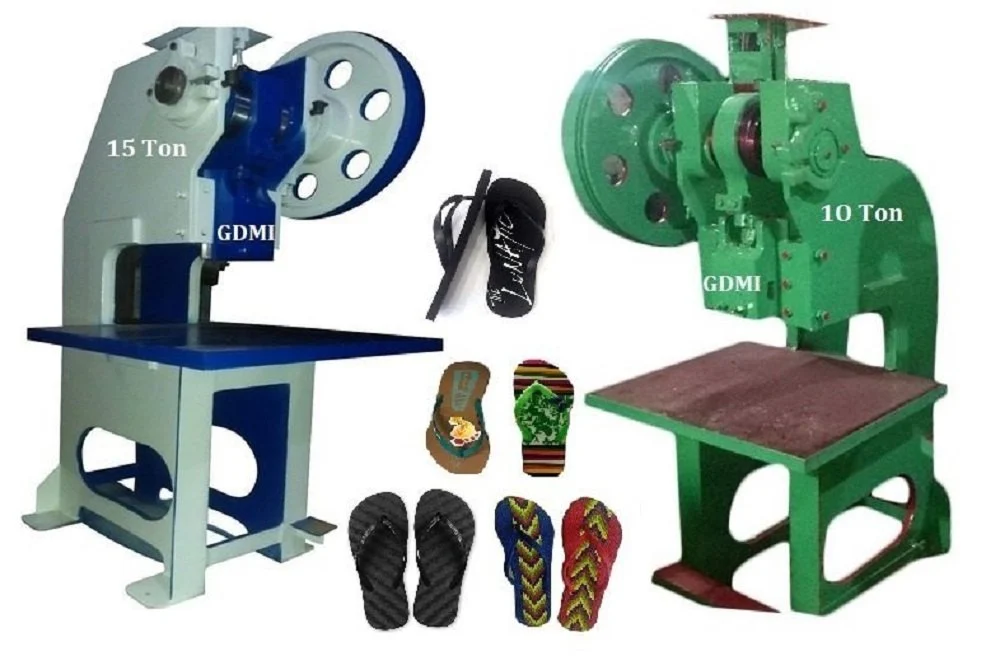
Sole cutting equipment is used to cut suitable material into the required shape. Other machines may support punching or hole-making operations for strap fitting. Additional tools or equipment may be needed for assembly and finishing.
A complete manufacturing setup should be planned according to the operations required for the selected slipper design. Buyers should ask suppliers to explain the complete production process and clarify which operations are included in the machine.
How to Select a Suitable Slipper Making Machine
Selecting the right machinery requires evaluating the business's production requirements.
The first consideration is the type of slipper to be manufactured. Different designs may require different sole shapes, material thicknesses and cutting arrangements.
Material compatibility is another important factor. Buyers should confirm which materials can be processed by the selected machine.
The machine's production capacity should match the expected workload. Ask for model-specific output information and understand the conditions under which the stated production capacity can be achieved.
Other considerations include power requirements, machine dimensions, operating method, accessories, maintenance and availability of replacement parts.
Slipper Making Machine Price in India
The Slipper Making Machine price in India depends on machine type, technical specifications, automation, functions and accessories.
A machine designed for a specific operation may have a different price from a larger manufacturing configuration. Businesses should also calculate additional expenses such as raw materials, electricity, labour, packaging, transportation and workspace.
When comparing quotations, buyers should check the machine specifications and included accessories. A demonstration can provide a better understanding of how the equipment operates.
The most suitable machine is the one that meets the manufacturing requirements and fits the available investment budget.
Planning a Slipper Manufacturing Business
A successful manufacturing business requires more than purchasing machinery. Entrepreneurs should first identify their target customers and research the types of slippers they prefer.
Footwear retailers, wholesalers, distributors and local traders can be potential buyers. Manufacturers should understand their preferred designs, sizes, quality expectations and purchasing requirements.
After selecting the product range, businesses can plan their machinery, raw material supply and production workspace. The workspace should provide sufficient room for equipment, material storage, manufacturing activities and finished goods.
Trial production should be conducted before regular manufacturing begins. Checking product dimensions, cutting quality, strap fitting and finishing can help identify problems at an early stage.
Why Consider Kesya International?
Kesya International offers industrial machinery solutions for entrepreneurs and manufacturers interested in production equipment. Businesses researching a Slipper Making Machine can discuss their intended manufacturing process and equipment requirements.
Before purchasing, buyers should verify the available machine model, technical specifications, supported materials, production capacity, accessories, installation requirements and commercial terms.
This helps businesses understand whether the selected machinery is suitable for their planned production activities.
Frequently Asked Questions About Slipper Making Machines
Which is a top Slipper Making Machine company in India?
Buyers should compare machinery companies based on machine specifications, product suitability, demonstrations, commercial terms and technical support. Kesya International can be approached to discuss machinery requirements.
What is the price of a Slipper Making Machine in India?
The price depends on the model, machine functions, specifications, automation and accessories. Request a quotation for the required configuration.
What is a Slipper Making Machine used for?
It is used for performing specific slipper manufacturing operations such as cutting, shaping or punching, depending on the machine type.
Can I start a slipper manufacturing business with a small investment?
A smaller setup may be possible depending on the machinery, product range and production requirements. Prepare a complete investment calculation before starting.
Which raw materials are used for slipper manufacturing?
Materials depend on the slipper design and construction. Confirm the machine's compatibility with the materials you intend to use.
How many slippers can be manufactured in one day?
Daily production depends on machine specifications, operating hours, material handling, product design and operator efficiency.
Do I need multiple machines to manufacture slippers?
Some production processes require separate machines for cutting, punching, strap fitting and finishing. The exact requirements depend on the manufacturing setup.
Can I manufacture different slipper sizes?
Different sizes may be possible with suitable cutting tools, dies or machine arrangements. Confirm the supported size range with the supplier.
What should I check before buying slipper machinery?
Check technical specifications, supported materials, machine functions, production capacity, power requirements, accessories, maintenance and warranty terms.
Is automatic slipper machinery suitable for commercial manufacturing?
Automatic machinery may suit businesses that need reduced manual involvement in certain operations. Its suitability depends on the machine model and expected output.
How much space is required for a slipper manufacturing unit?
Space requirements depend on machine dimensions, the number of operations, material storage and finished-product handling.
How can I find a reliable slipper machine supplier?
Compare suppliers through technical specifications, demonstrations, quotations, warranty details and spare-parts availability.
Is slipper manufacturing profitable in India?
Profitability depends on market demand, raw material prices, production costs, selling prices, product quality and distribution.
How can I maintain the quality of manufactured slippers?
Use suitable raw materials, maintain accurate dimensions, train machine operators and inspect finished products regularly.
Can beginners operate a Slipper Making Machine?
Beginners can learn to operate suitable machinery with proper training and by following the manufacturer's operating instructions.
More info: Automatic & Manual Slipper Making Machine Manufacturer | Chappal Making Machine
Buy Now
Top Slipper Making Machine Company
Slipper Making Machine India
Slipper Manufacturing Machine
Slipper Machine Manufacturer
Slipper Machine Supplier
Slipper Machine Price
Slipper Production Equipment
Slipper Manufacturing Business
Slipper Factory Setup
Slipper Making Machinery
Commercial Slipper Manufacturing
Slipper Cutting Machine
Slipper Sole Cutting Machine
Industrial Slipper Machine
Footwear Manufacturing Machinery
Footwear Production Equipment
Slipper Business in India
Slipper Manufacturing Company
Kesya International