
- kesyaipl2@gmail.com
- Rajdhani Park, Mubarkpur, Delhi, 110041, India
Blogs

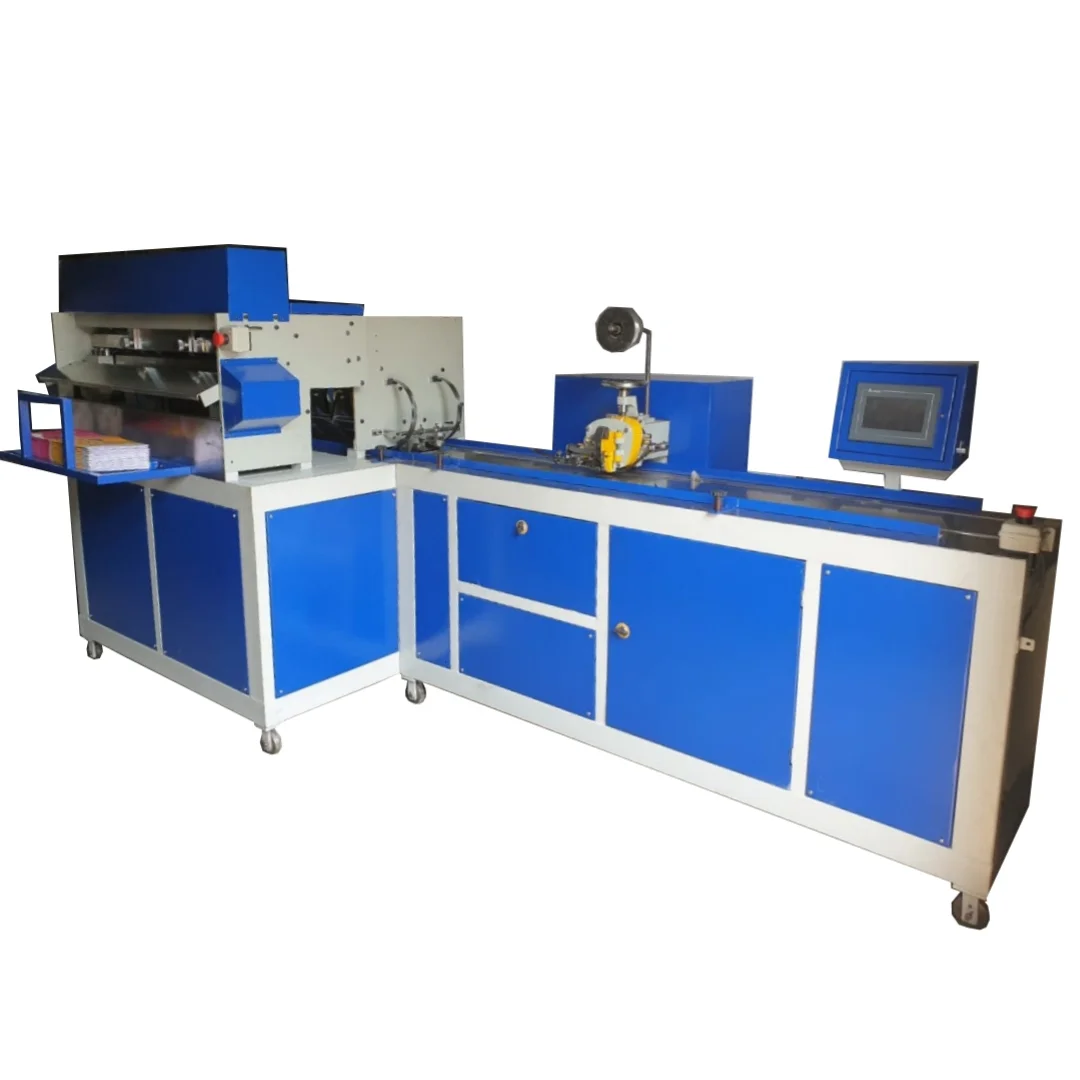
Transform Your Business with Notebook Making long term returns
Price: ₹1064724
Financial Planning for New Entrepreneurs
Starting a notebook manufacturing business requires the right combination of knowledge, equipment, and market understanding.
Key Aspects and Features
The notebook making machine market in India is served by numerous manufacturers offering machines at various price points and capabilities. When selecting a machine, buyers should consider factors such as production capacity, build quality, after sales support, spare parts availability, and total cost of ownership. It is advisable to visit manufacturer facilities, request demonstrations, and speak with existing customers before making a purchase decision.
Packaging plays a significant role in the notebook manufacturing process, affecting both product protection and market appeal. Proper packaging prevents damage during storage and transportation while also serving as a marketing tool. Many manufacturers invest in attractive packaging designs that highlight product features and brand identity. The cost of packaging should be factored into the overall production cost analysis.
Business and Market Overview
The supply chain for notebook manufacturing involves coordinating with paper mills, cover material suppliers, binding wire manufacturers, ink suppliers, and packaging material providers. Building strong relationships with reliable suppliers ensures consistent access to quality materials at competitive prices. Effective supply chain management contributes directly to production efficiency, product quality, and cost competitiveness.
The quality of raw materials used in notebook manufacturing directly impacts the quality of the finished product. Paper comes in various grades and thicknesses, and selecting the right paper grade for the intended notebook type is crucial. Premium notebooks require high quality paper with good printability and smooth writing surface, while economy notebooks can use standard grade paper.
Production and Operations
Starting a notebook manufacturing business on a small scale is achievable with a modest investment. A basic setup including a manual or semi automatic machine, raw materials, and basic infrastructure can be established within a reasonable budget. As the business grows, manufacturers can invest in additional machines and expand their production capabilities to meet increasing demand.
Conclusion
The future of notebook manufacturing in India looks promising with continued growth in education, expanding corporate sectors, and increasing environmental awareness favoring paper notebooks over digital alternatives. Manufacturers who invest in quality production capabilities today will be well positioned to benefit from these long term market trends.
Buy Now
notebook machine
notebook making machine manufacturer
notebook binding machine
notebook machine maintenance
notebook manufacturing business
notebook machine India
paper notebook machine
notebook business
notebook production capacity
notebook cutting and folding
notebook manufacturing
notebook production
how to start notebook business
notebook production line
notebook manufacturing startup
notebook business profit

.jpg)