
- kesyaipl2@gmail.com
- Rajdhani Park, Mubarkpur, Delhi, 110041, India
Blogs

Which Chappal Making Machine Is Best for a New Footwear Business?
Price: ₹52500
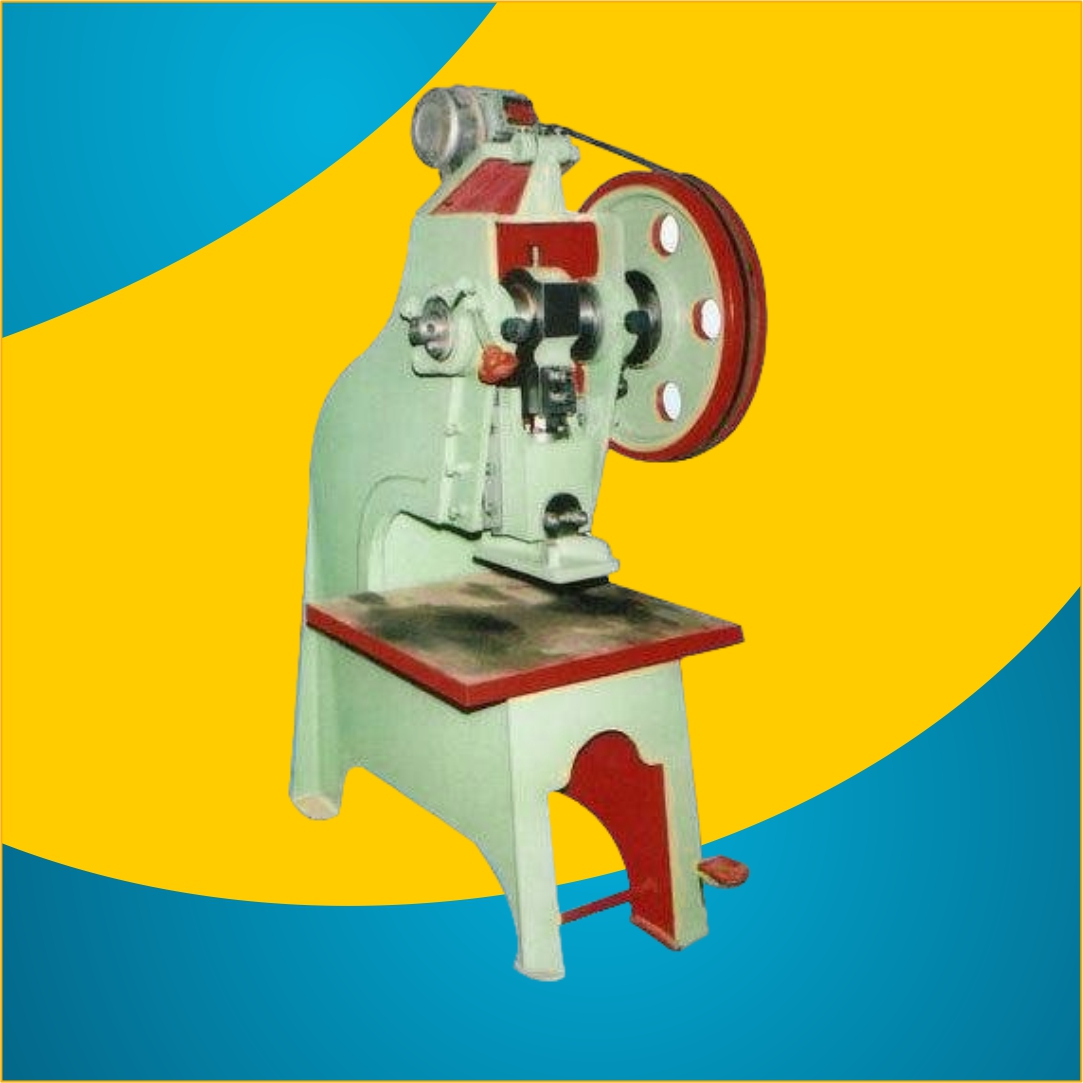
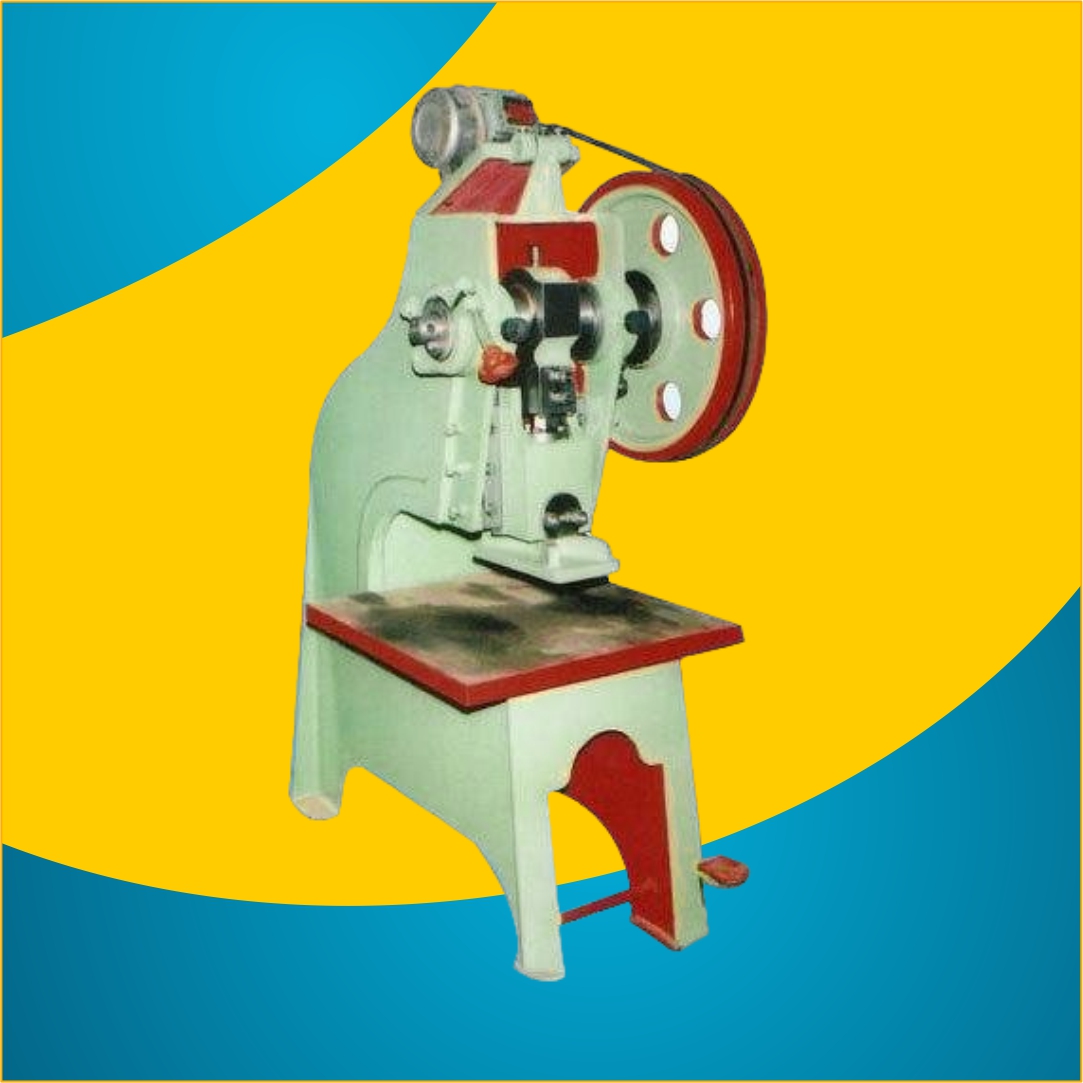
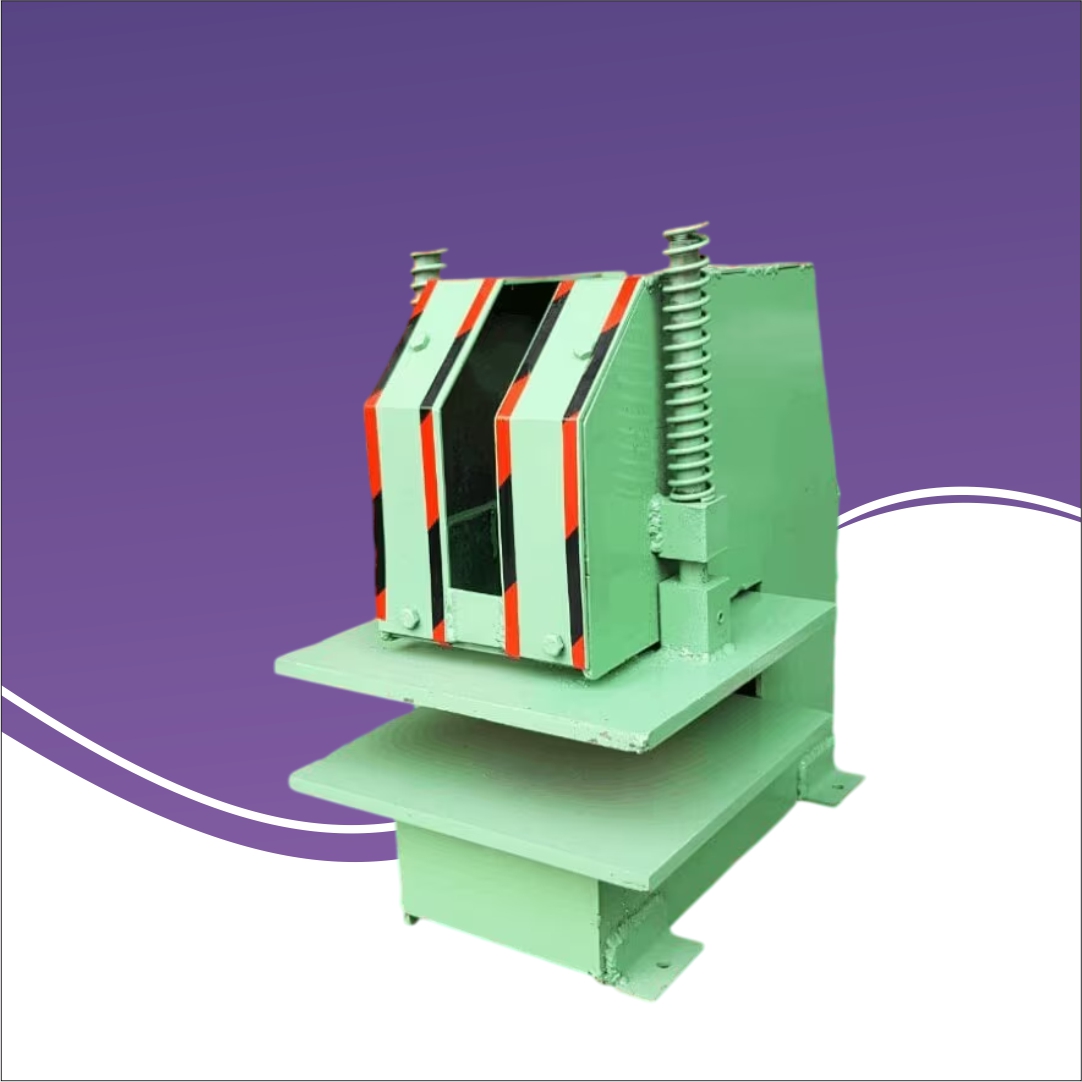
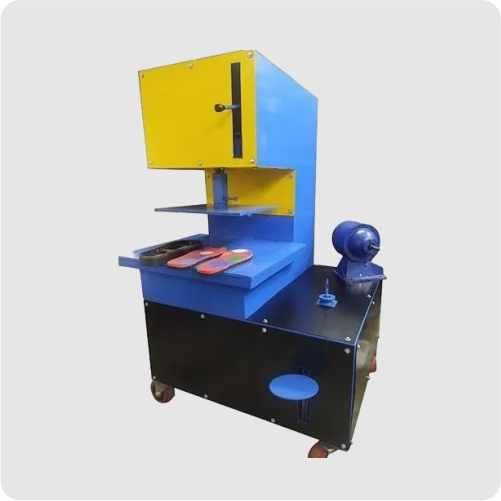
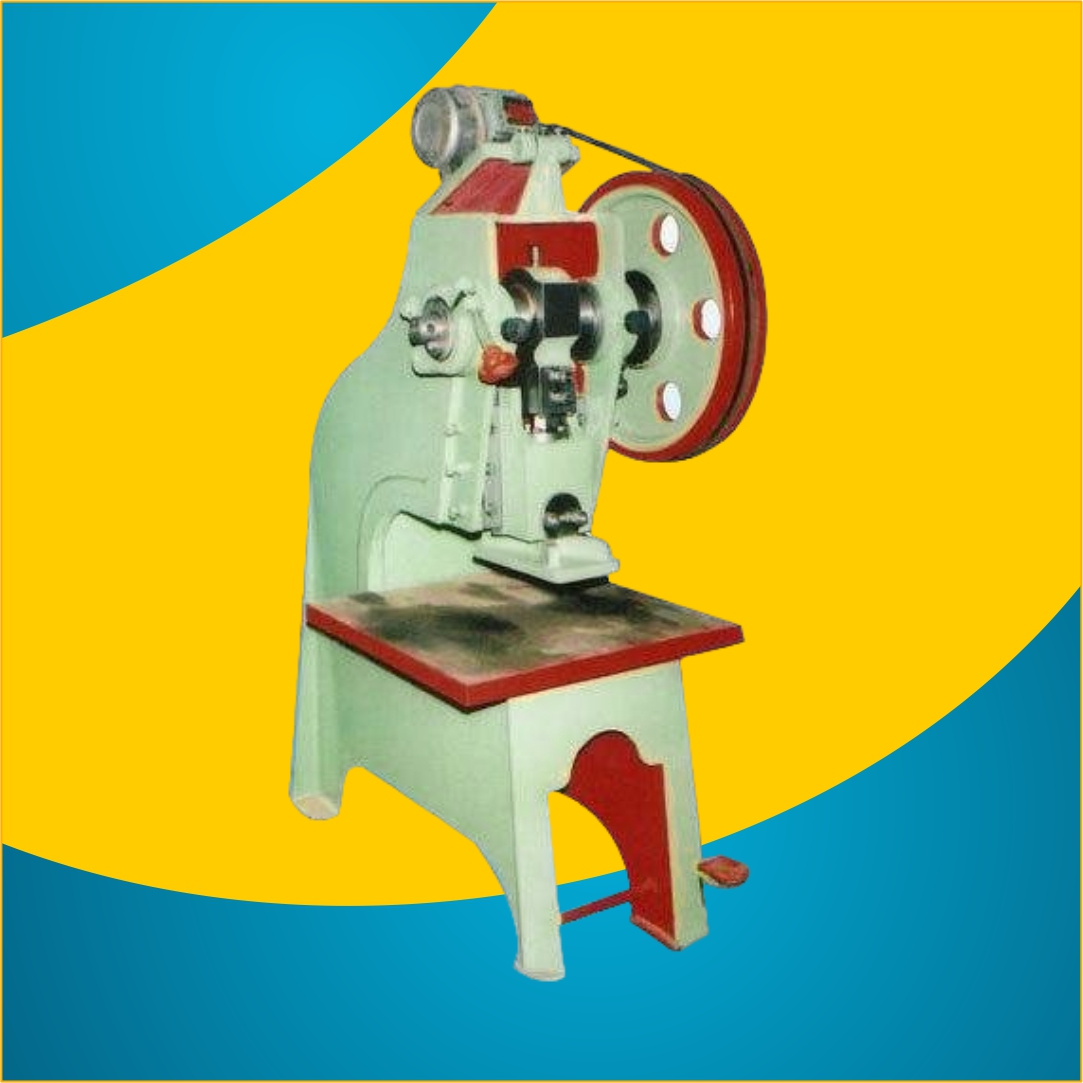
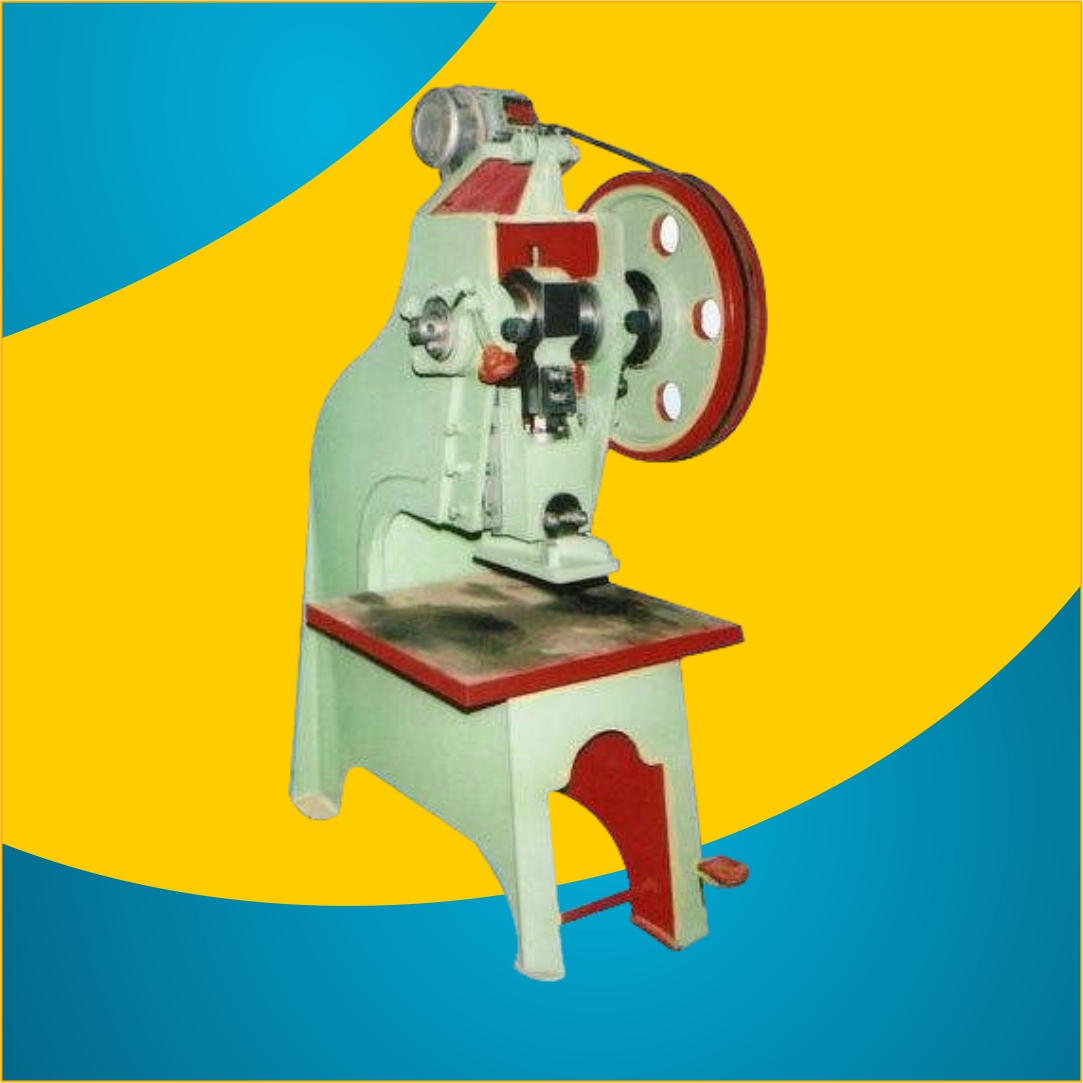
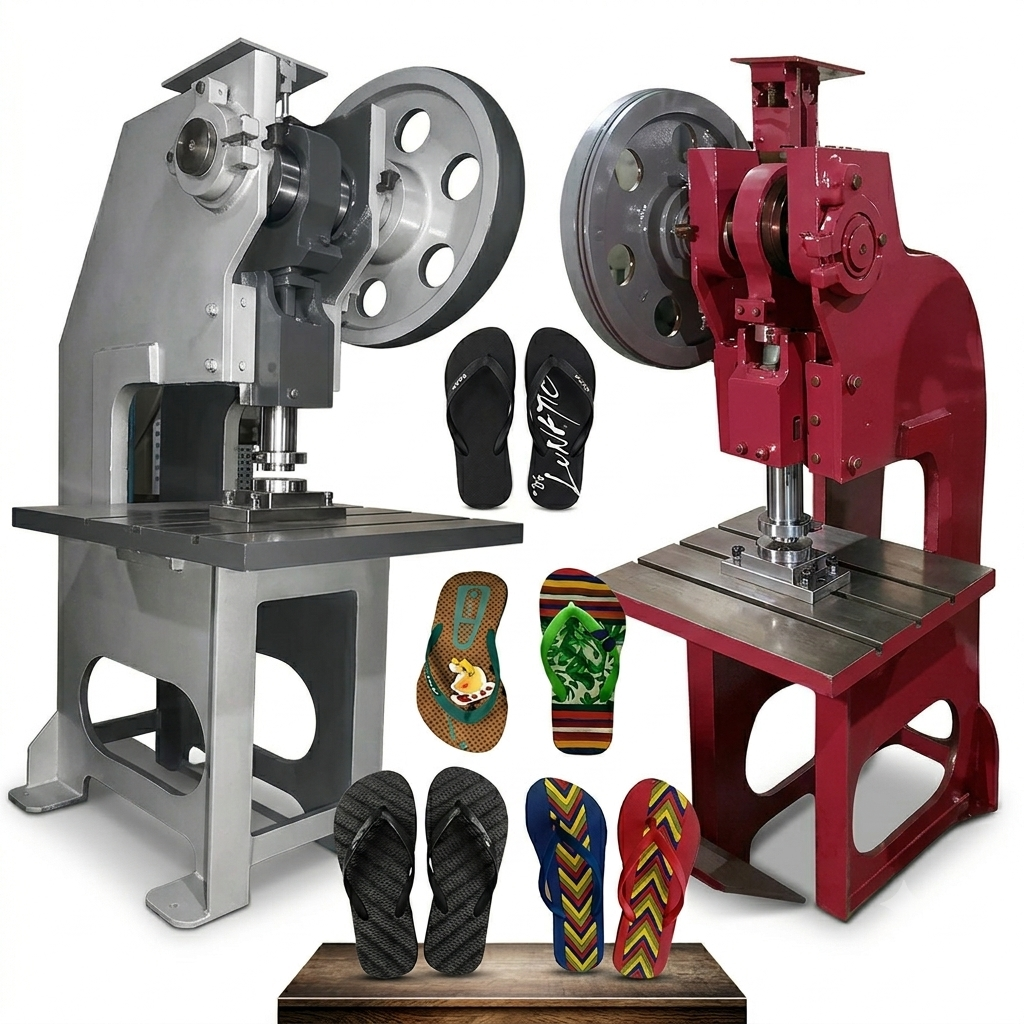
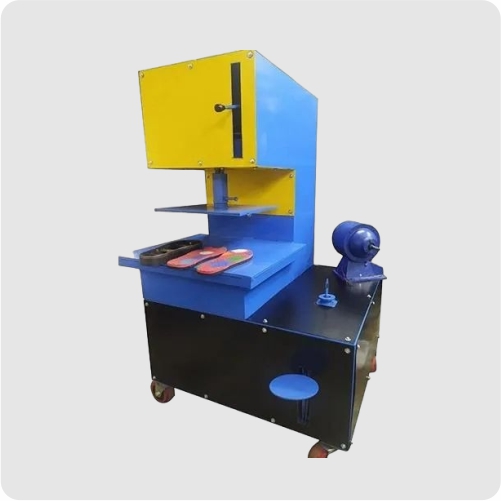
Which Chappal Making Machine Is Best for a New Footwear Business? Starting a footwear manufacturing business requires more than simply purchasing a machine. A new manufacturer needs to understand the product, production process, expected demand and investment before setting up a manufacturing unit. For businesses planning to produce chappals, selecting a suitable chappal making machine is one of the important decisions during the initial setup. The right machine can help organize repetitive manufacturing operations and create a practical production workflow. However, the best machine for one business may not be suitable for another because production requirements, product designs and budgets can be different. What Should a New Manufacturer Consider First? Before purchasing machinery, a new business should decide what type of chappals it plans to manufacture. Product design has a direct connection with the production process. The manufacturer should also estimate the expected production quantity. A business supplying a local market may have different requirements from a manufacturer planning to supply wholesalers and distributors across multiple locations. Available production space, workforce and investment capacity should also be considered. These factors help determine whether a manual, semi-automatic or automatic setup is appropriate for the business. Why Is a Chappal Making Machine Important? A chappal making machine can support various manufacturing operations depending on its configuration. These operations may include cutting, punching, pressing, shaping and other repetitive processes. Using suitable machinery can help manufacturers organize production into different stages. Instead of relying completely on manual work, the business can use machines for operations that require repeated processing. This can become particularly useful when production orders increase and the manufacturer needs a more structured workflow. What Is the Difference Between Automatic and Manual Machinery? Manual and automatic machines differ mainly in the amount of operator involvement required during production. A manual chappal making machine generally requires workers to perform more operations themselves. This type of setup can be considered by businesses starting with comparatively smaller production requirements. An automatic chappal making machine can handle certain repetitive operations with less manual intervention. It may be considered by businesses expecting regular production and higher order volumes. The choice should depend on the complete production requirement rather than the machine's name alone. How Much Should a New Business Invest? There is no fixed investment amount that applies to every chappal manufacturing business. The required investment depends on the machinery, production capacity, workspace, raw materials, labour and other operational requirements. The price of a chappal making machine is only one part of the overall business investment. A new manufacturer should prepare an estimated production budget before purchasing machinery. This can include machine cost, installation, electrical requirements, raw materials, labour, packaging, maintenance and transportation. Planning these expenses in advance can make the business setup more practical. What Production Capacity Does a New Business Need? Production capacity should be connected to expected sales. A new manufacturer should estimate how many pairs of chappals it expects to sell and then determine the required production capacity. Purchasing a machine with extremely low capacity can make it difficult to handle increasing orders. On the other hand, purchasing equipment far beyond the current requirement may increase the initial investment unnecessarily. A machine with a suitable balance between present production needs and future expansion can be considered. Can the Same Machine Support Footwear Upper Production? The answer depends on the machine configuration and the type of footwear upper being manufactured. Footwear upper production may involve cutting, punching, shaping or other operations. Different footwear designs can require different processes. If a business plans to manufacture chappals along with other footwear products, it should discuss these requirements with the machine manufacturer before purchasing equipment. Providing information about the upper design can help the supplier understand which machinery or production setup may be suitable. What Affects Chappal Making Machine Price? Several factors can affect the price of a chappal making machine. Machine capacity, automation level, configuration and production application can all influence the final quotation. A machine designed for a specific operation may have a different price from a complete production setup. Buyers should also understand whether installation, accessories, transportation or other services are included in the quoted amount. Comparing machines according to specifications provides a clearer understanding of their actual value than comparing prices alone. How Can a New Manufacturer Control Production Costs? Production cost management begins with proper planning. Raw material usage, labour, electricity, machine maintenance and packaging can all affect the cost of manufacturing. Manufacturers should monitor production output and material usage regularly. This can help identify unnecessary wastage and production delays. Machine maintenance is also important. Regular inspection and proper operation can help keep the production process organized. As the business grows, better production planning can help the manufacturer manage larger orders without creating unnecessary operational pressure. Which Company Can Supply Chappal Making Machinery in India? India has manufacturers and suppliers offering machinery for different footwear production requirements. Buyers should compare suppliers according to machine specifications, production support and suitability for their intended product. Kesya International can be considered by businesses searching for chappal making and footwear manufacturing machinery in India. Before purchasing, a manufacturer should discuss the type of chappal, expected production capacity and required manufacturing process. This can help determine which machine configuration is appropriate. What Support Should a Machine Manufacturer Provide? After-sales support can be an important part of machinery ownership. Buyers should ask about installation, machine operation, maintenance, spare parts and technical assistance. Operator training can also be useful when a business is installing machinery for the first time. A manufacturer that understands the production requirement can provide more relevant information about machine operation and maintenance. Why Is Future Expansion Important? A new business may begin with limited production but receive larger orders as it develops its customer base. Machinery selection should therefore consider possible future growth. The objective is not necessarily to purchase the largest machine immediately. Instead, the business can select equipment that meets its current requirements while allowing the production setup to expand later. Additional machinery, improved workflow and higher-capacity equipment can be considered as demand develops. How Should You Compare Two Chappal Machines? Two machines may both be described as chappal making machines but can have different specifications. Buyers should compare production capacity, operating method, automation, power requirements, machine dimensions, maintenance needs and service support. The machine should also be evaluated according to the type of footwear being manufactured. A proper comparison makes it easier for a new manufacturer to understand which equipment fits the business rather than selecting machinery simply because it has a lower purchase price. Conclusion Choosing a chappal making machine is an important step for anyone planning to start a footwear manufacturing business. The suitable machine depends on the product design, production quantity, investment capacity and manufacturing process. New manufacturers should understand their requirements before comparing machine prices and suppliers. Automatic and manual options can both be considered depending on the intended production setup. For businesses in India, Kesya International can be considered when looking for chappal and footwear manufacturing machinery. Discussing product requirements, production capacity and future plans with the manufacturer can help create a suitable machinery setup.
Buy Now
.webp)
.jfif)
.jpg)