- kesyaipl2@gmail.com
- Rajdhani Park, Mubarkpur, Delhi, 110041, India
Blogs
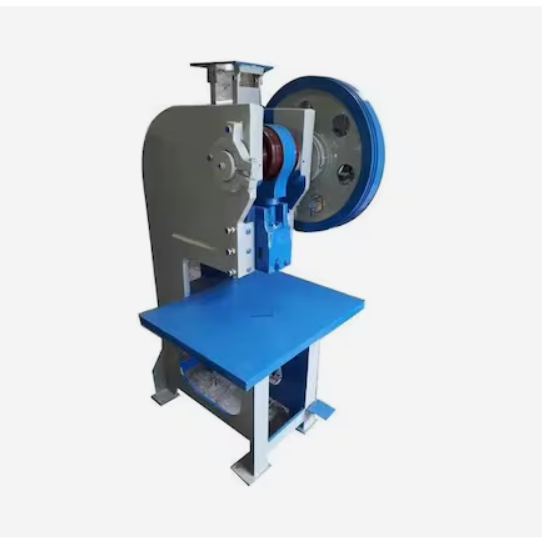
Best Chappal Making Machine Manufacturer in India | Kesya International
Price: ₹45000
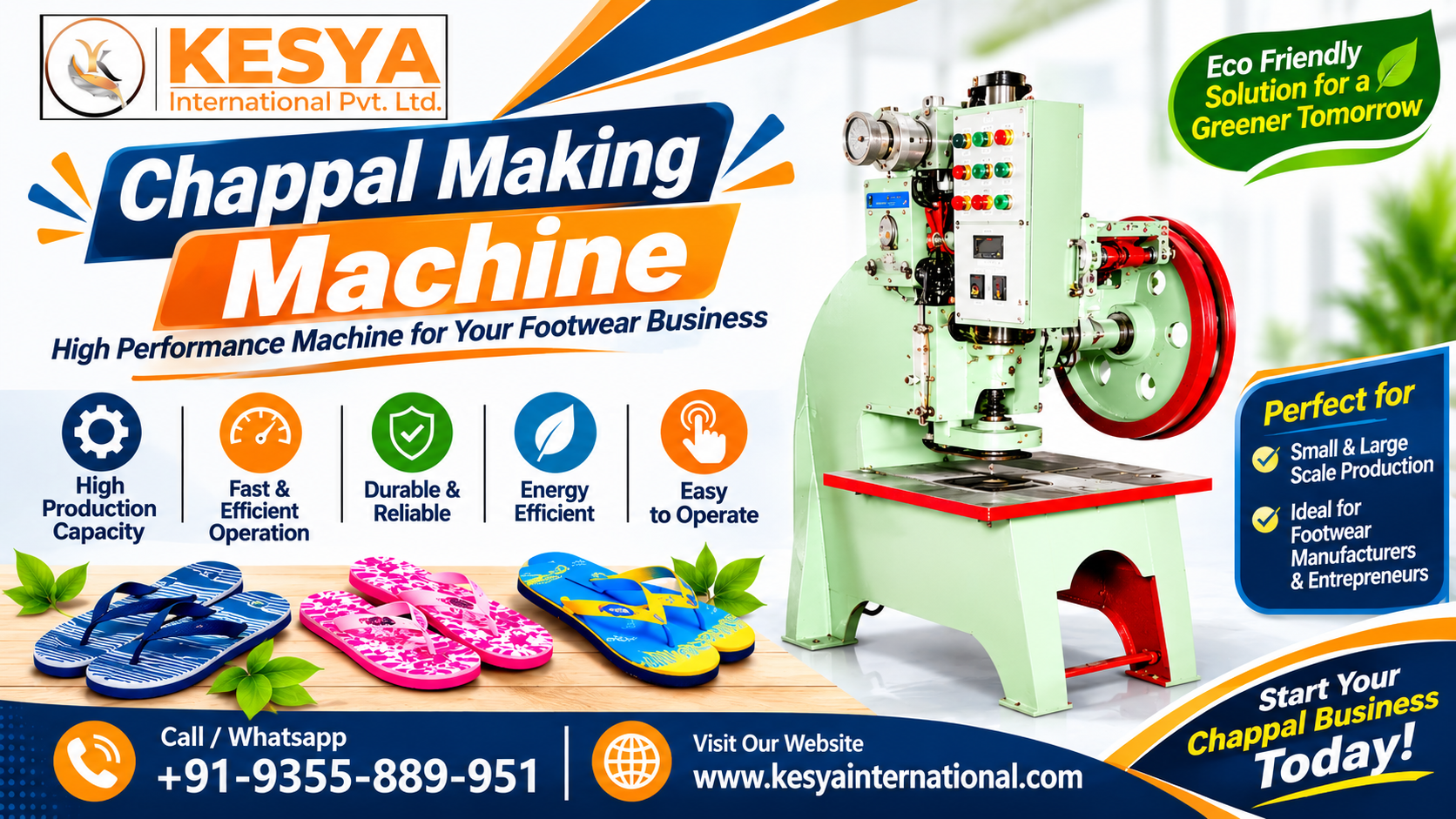
Best Chappal Making Machine for Footwear Production Businesses
Chappal manufacturing is a business opportunity for entrepreneurs who want to enter India's everyday footwear market. Chappals are widely used by consumers, making them an important product category for footwear retailers, wholesalers and distributors. Different customers look for different designs, sizes, materials and price ranges, so manufacturers need to plan their production according to market demand.
A suitable Chappal Making Machine can help manufacturers perform essential production operations and organise their manufacturing workflow. Choosing the right machinery is important for maintaining product consistency, managing operating costs and meeting customer requirements.
Kesya International offers machinery solutions for businesses exploring chappal manufacturing. Whether you are planning a new production unit or expanding an existing workshop, understanding machine specifications and production requirements can help you make a better purchasing decision.
What Makes a Chappal Making Machine Suitable for Manufacturing?
A suitable machine should match the type of chappals a business plans to manufacture. Different product designs may require different materials, tooling and production operations.
Before selecting equipment, manufacturers should understand the machine's working process and the operations it can perform. Some machines are designed for specific tasks, while a complete production setup may require additional equipment for other stages.
The important factors include machine construction, operating method, supported material, product dimensions, die compatibility and maintenance requirements.
Different Chappal Making Machine Configurations
The right machine configuration depends on the production target and investment capacity of the business.
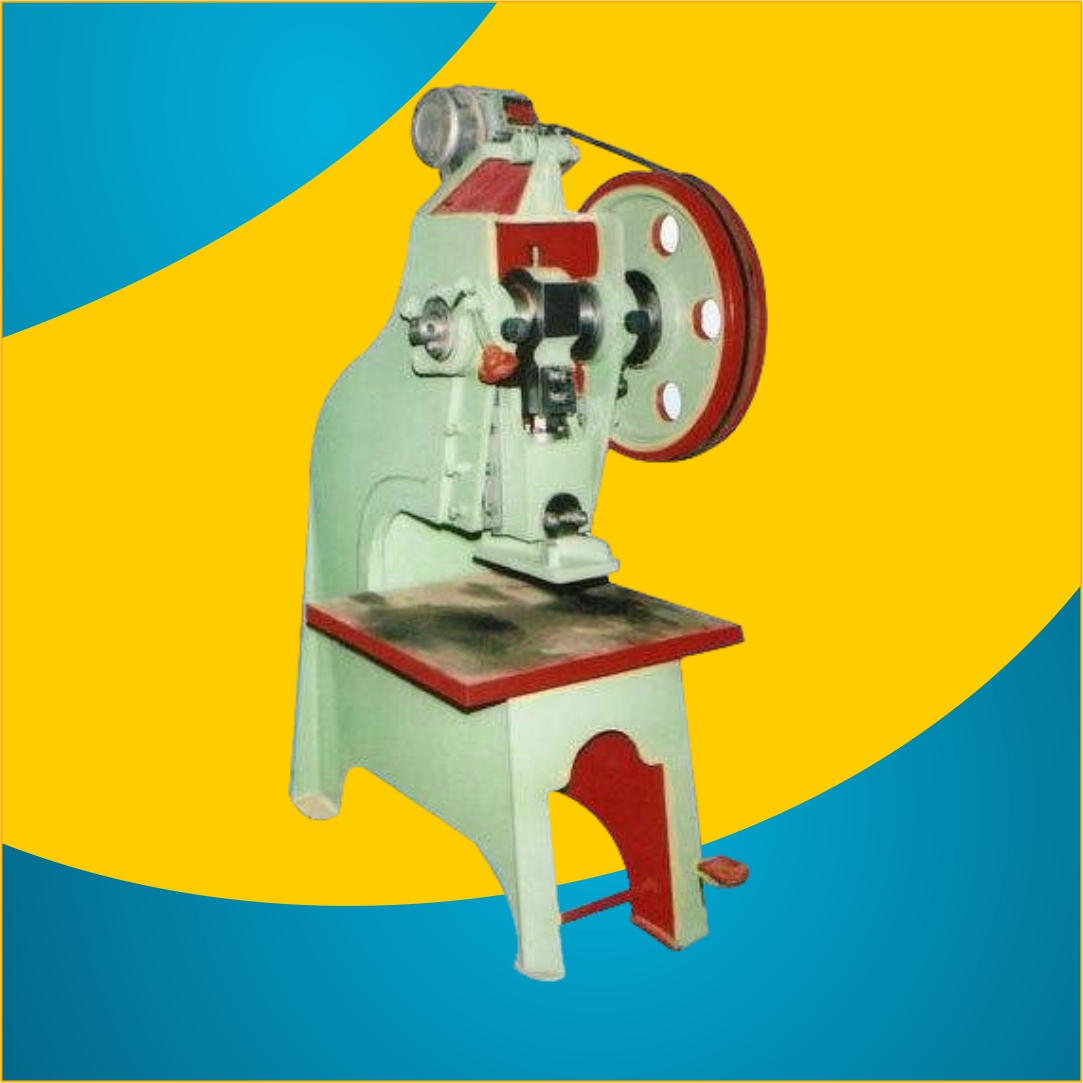
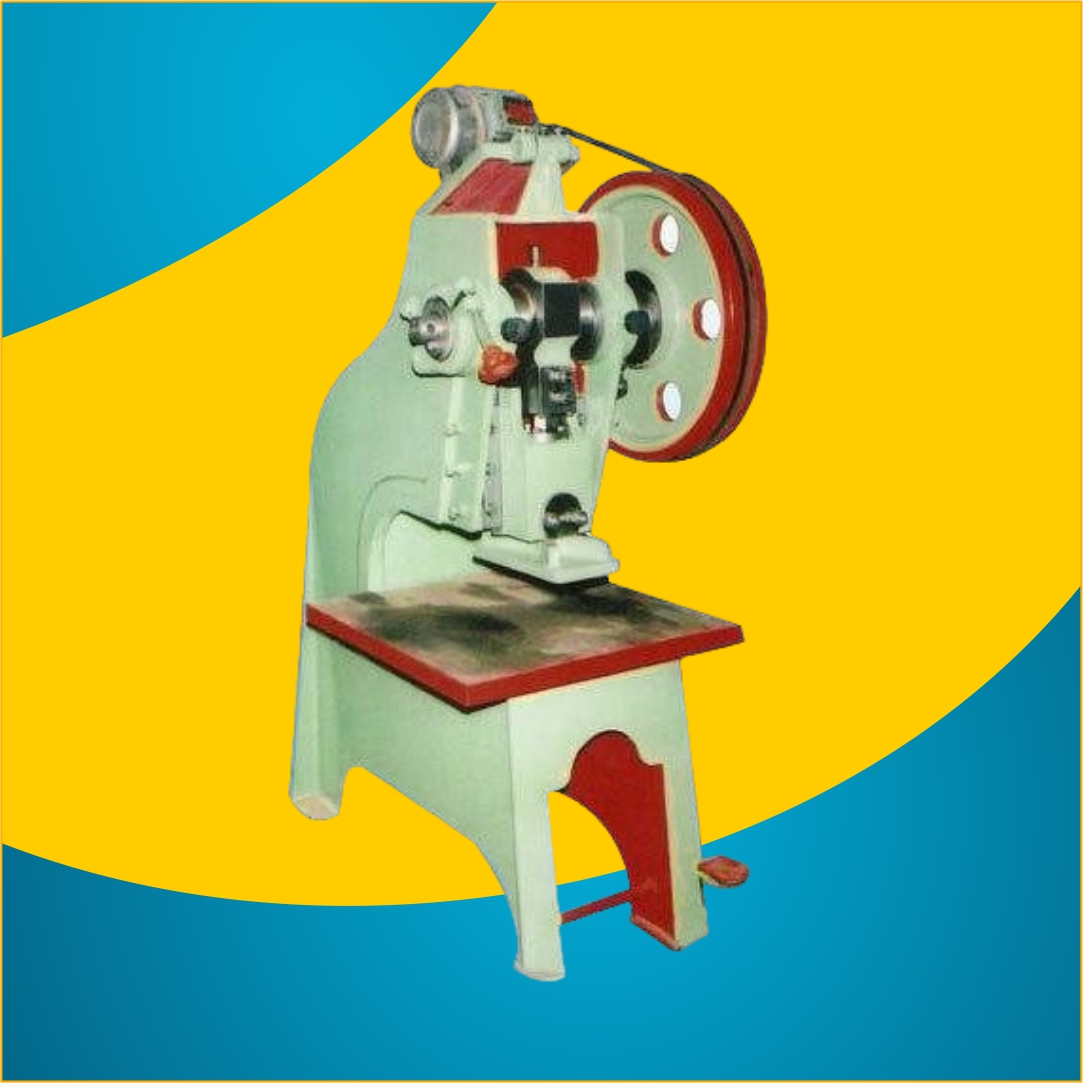
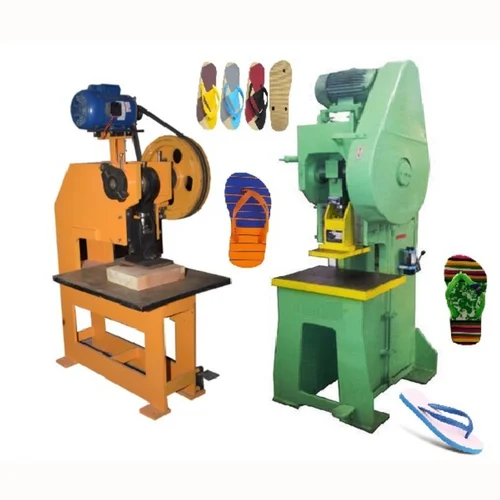
Manual Chappal Making Machine
Manual machinery may be considered for small-scale workshops and businesses starting with limited production. These machines generally require more operator involvement and may suit businesses that want a comparatively simple setup.
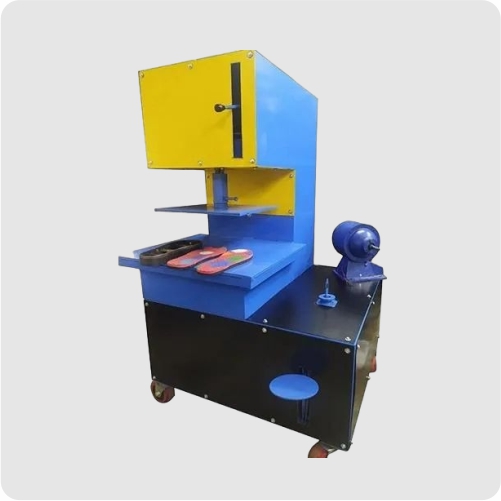
Semi Automatic Chappal Making Machine
Semi-automatic machinery may provide machine-assisted operations while requiring operators to manage selected stages. This configuration can be evaluated by businesses looking to balance manual work and automation.
Fully Automatic Chappal Making Machine
Fully automatic or highly automated configurations may be considered by manufacturers planning a more automated production process. Buyers should carefully verify which operations are automatic and which still require manual handling.
How Does a Chappal Making Machine Support Production?
A chappal manufacturing unit may involve multiple operations, from preparing raw materials to completing the finished product. Machinery helps perform selected tasks according to the production arrangement.
The process may include material preparation, sole cutting, shaping, punching, component preparation, strap fitting and finishing. The actual workflow depends on the design of the chappal and the equipment installed in the manufacturing unit.
Manufacturers should organise these stages carefully to reduce unnecessary handling and maintain a consistent production process.
Raw Materials and Components for Chappal Manufacturing
The selection of raw materials depends on the intended product quality, design and customer segment. Suitable footwear sheets, sole materials, straps and other components may be used in production.
Manufacturers should consider material thickness, flexibility, appearance and compatibility with the selected machine. Using unsuitable material can create processing difficulties or affect the finished product.
Before purchasing a machine, ask the manufacturer which raw materials it supports and whether any additional accessories are needed.
How to Find the Best Chappal Making Machine Manufacturer?
Finding the best manufacturer requires comparing technical information, machine suitability and commercial terms. Buyers should avoid selecting machinery based only on advertisements or the lowest price.
A professional evaluation should include the following considerations:
Clear machine specifications and operating details.
Supported chappal sizes and product designs.
Compatibility with required raw materials.
Production capacity and operating conditions.
Power consumption and installation requirements.
Availability of dies, tooling and accessories.
Maintenance and spare-part arrangements.
Transparent pricing and delivery information.
Technical support terms, where provided.
Request a machine demonstration or technical details before making the final decision. This helps you understand whether the equipment matches your intended production process.
Chappal Making Machine Price in India
The price of a Chappal Making Machine in India depends on its configuration, automation level, features and production capacity. Different machine models may have different investment requirements.
The total manufacturing setup cost may also include additional machinery, dies, raw materials, electrical arrangements, labour, packaging and workspace expenses.
For an accurate quotation, provide details about the type of chappals you want to manufacture, the required sizes and your expected production volume. Ask the supplier to explain which accessories and services are included in the quoted price.
Business Opportunities in Chappal Manufacturing
The chappal market serves different customer groups, from everyday household users to commercial and institutional buyers. Manufacturers can study local demand and decide which product category they want to target.
Potential sales channels include footwear retailers, wholesalers, distributors, local markets and bulk purchasers. Product selection, pricing, finishing and consistent supply can influence business performance.
Before starting production, prepare a business plan that considers raw material costs, machinery investment, labour, electricity, transportation and expected sales. Market research can help you avoid manufacturing products for which there is insufficient local demand.
Why Consider Kesya International for Chappal Machinery Enquiries?
Selecting suitable machinery is an important step in establishing a manufacturing unit. Buyers should discuss their product requirements and compare machine configurations before making an investment.
Kesya International helps prospective buyers explore machinery options for chappal manufacturing. You can discuss your intended product design, production requirements and preferred machine configuration to understand which equipment may be appropriate for your business.
Frequently Asked Questions About Chappal Making Machines
1. Which is the best Chappal Making Machine in India?
The best machine depends on the required product design, production capacity, raw material and investment. Compare the technical specifications of different models before selecting one.
2. Who is a Chappal Making Machine manufacturer?
A chappal making machine manufacturer produces equipment used for different operations involved in chappal manufacturing. Buyers should evaluate the manufacturer's technical information and machine suitability.
3. What is the cost of a Chappal Making Machine?
The cost varies according to the model, automation, features, tooling and accessories. Request a quotation for the specific machine configuration you need.
4. Can I start a chappal manufacturing business with a small investment?
A small setup may be possible depending on the machine selected, production requirements and local operating costs. Prepare a complete investment estimate before starting.
5. Which machine is suitable for small-scale chappal production?
A manual or semi-automatic machine may be considered for small-scale production, depending on the intended product and working requirements.
6. What materials are required for manufacturing chappals?
Suitable footwear sheets, sole materials, straps and other components may be required depending on the design and construction.
7. Can different chappal sizes be manufactured using one machine?
Some machines support different sizes with compatible dies or adjustments. Always confirm the available size range with the supplier.
8. What is the difference between semi-automatic and fully automatic machines?
Semi-automatic machines require operator involvement in selected operations, while fully automatic configurations may automate more stages. The exact functions vary by model.
9. How do I check the production capacity of a machine?
Ask the manufacturer for the rated production capacity and the conditions under which it is measured. Actual output can vary with product design, material and working conditions.
10. Does a chappal manufacturing unit require separate cutting equipment?
Some setups require separate cutting equipment, while others may include particular cutting functions. Confirm the complete production process before purchasing.
11. What should I ask before purchasing a machine?
Ask about machine specifications, compatible materials, supported sizes, power requirements, included accessories, maintenance and spare parts.
12. How can I find a top Chappal Making Machine company?
Compare companies based on product suitability, technical details, transparent quotations and support arrangements rather than relying only on promotional claims.
13. Can chappals be manufactured for wholesale markets?
Yes, manufacturers can plan production for wholesale customers after studying product demand, quality requirements, pricing and supply capacity.
14. Is machine maintenance important?
Yes. Following the recommended maintenance schedule and inspecting machine components can help maintain reliable operation.
15. Where can I enquire about Chappal Making Machines?
You can contact Kesya International to discuss your chappal manufacturing requirements and enquire about suitable machinery options.
Chappal Manufacturing Solutions by Kesya International
Kesya International supports businesses exploring machinery for chappal manufacturing. Selecting suitable equipment involves understanding the product range, raw material compatibility, production requirements and available investment.
Careful machine selection, proper production planning and regular quality checks can help manufacturers build an organised chappal production operation.
More info: Automatic & Manual Slipper Making Machine Manufacturer | Chappal Making Machine
Buy Now
Best Chappal Making Machine Manufacturer
Chappal Making Machine India
Chappal Machine Manufacturer
Chappal Manufacturing Machine
Chappal Making Machine Company
Chappal Production Machinery
Chappal Machine Price in India
Chappal Manufacturing Business
Manual Chappal Making Machine
Semi Automatic Chappal Machine
Fully Automatic Chappal Machine
Chappal Production Equipment
Chappal Manufacturing Process
Chappal Machine Supplier
Chappal Manufacturing Unit
Chappal Business in India
Kesya International

.webp)
.jfif)