
- kesyaipl2@gmail.com
- Rajdhani Park, Mubarkpur, Delhi, 110041, India
Blogs

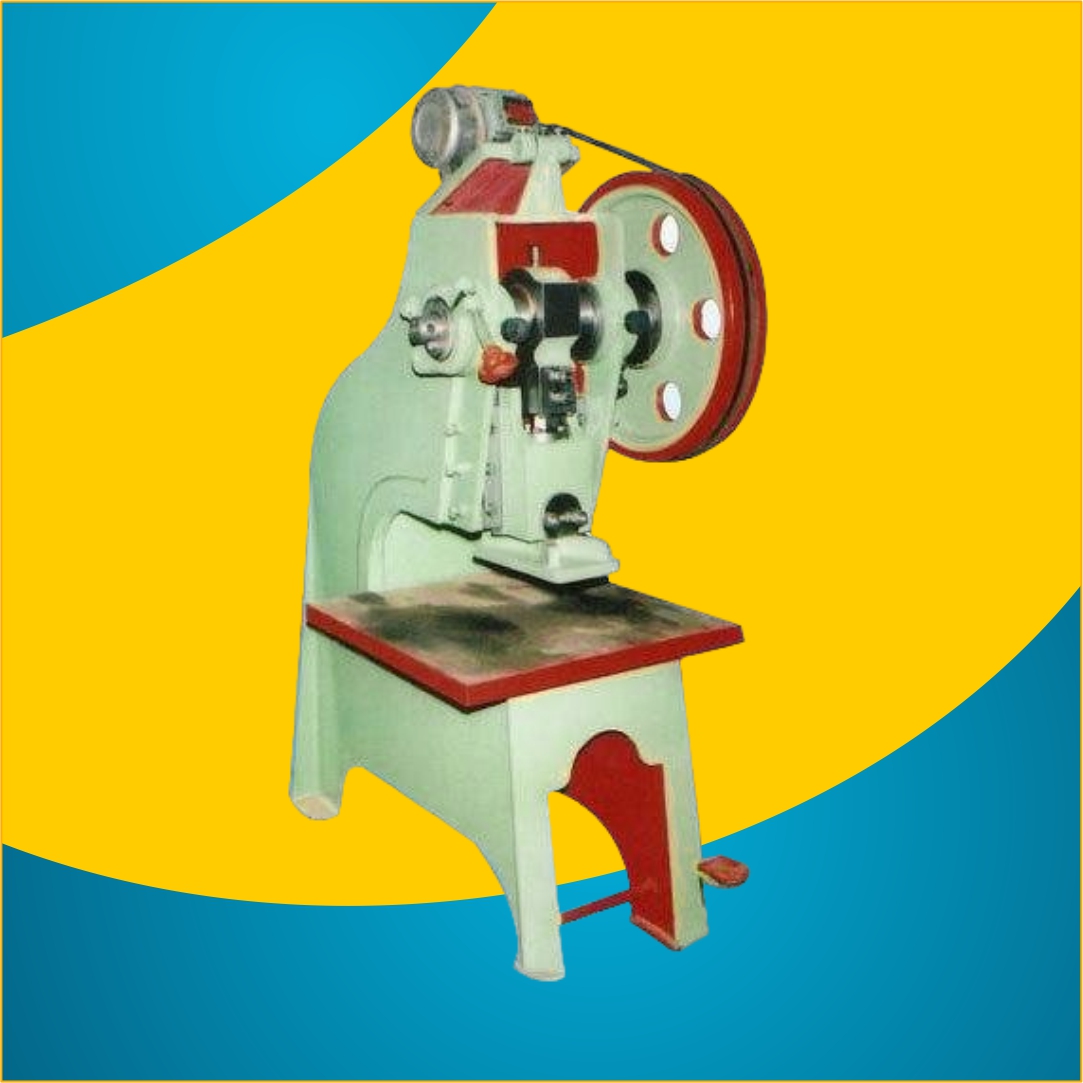
Which Chappal Making Machine Is Used for Footwear Upper Making?
Price: ₹65000
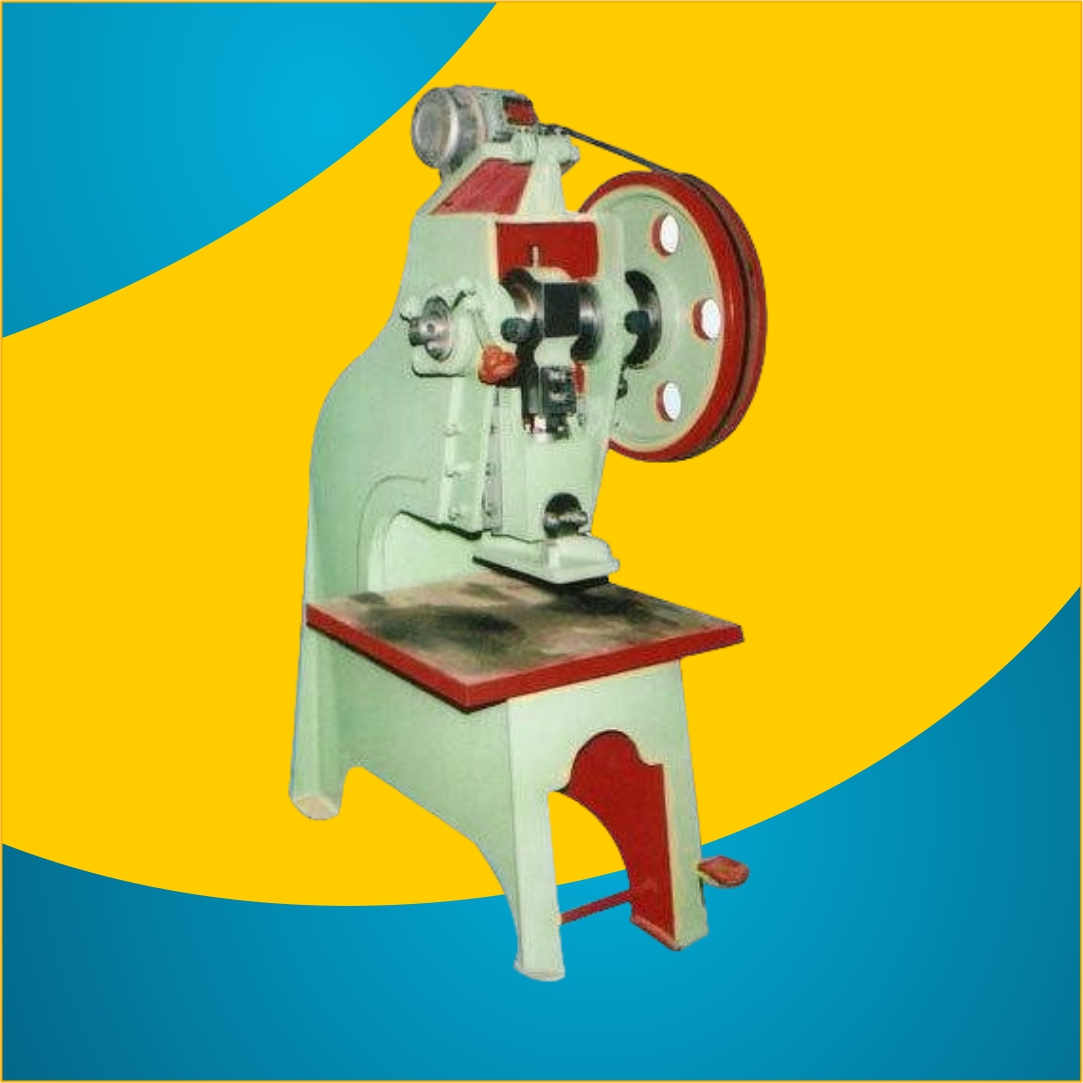
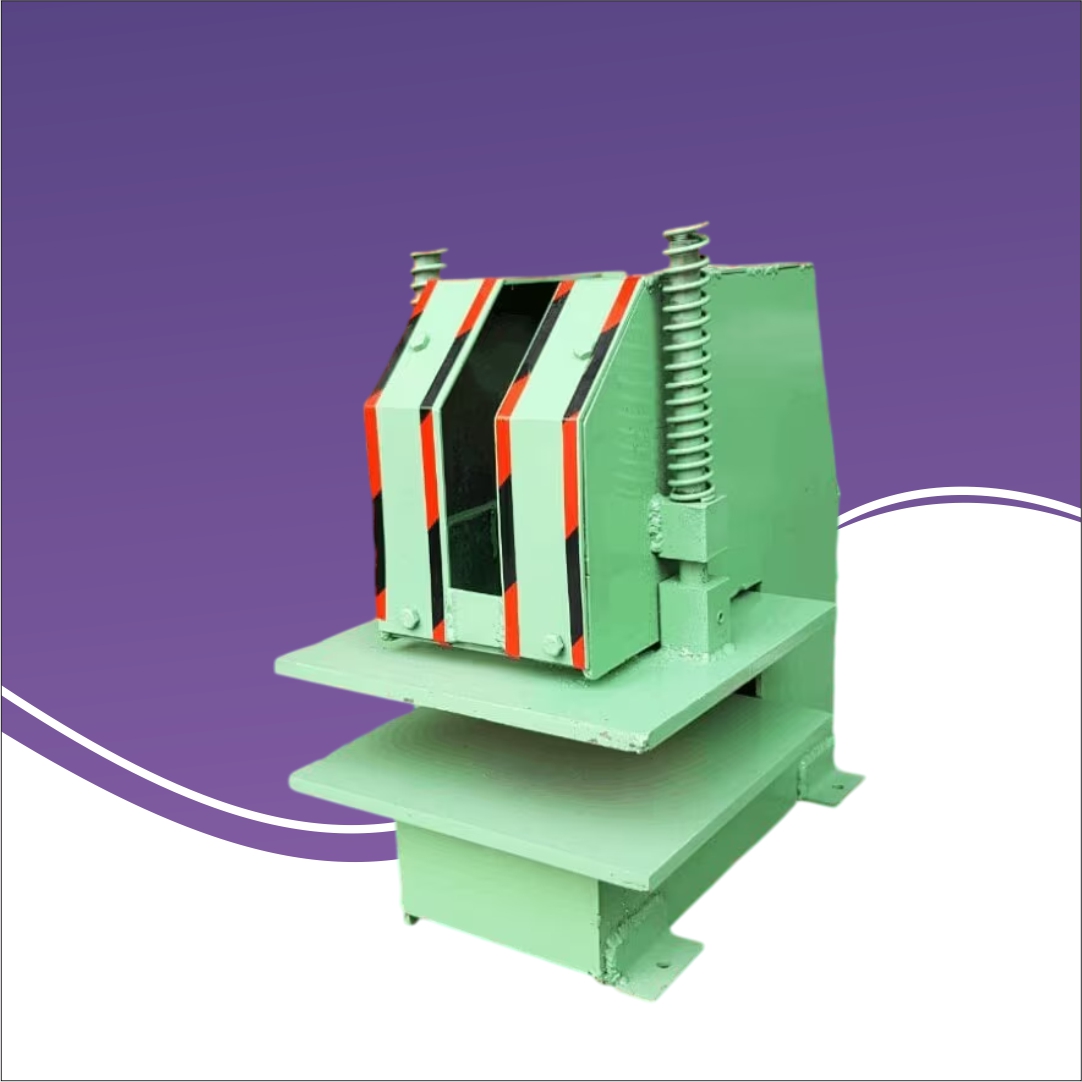
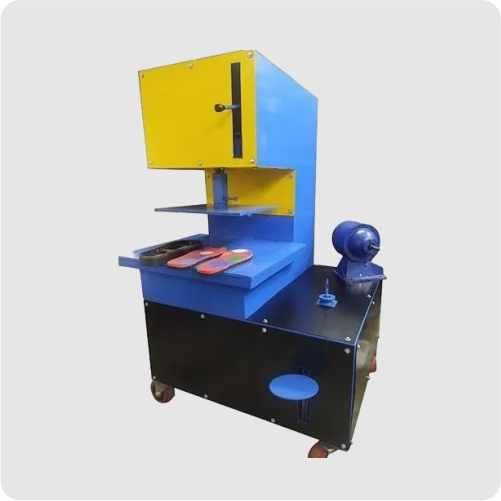
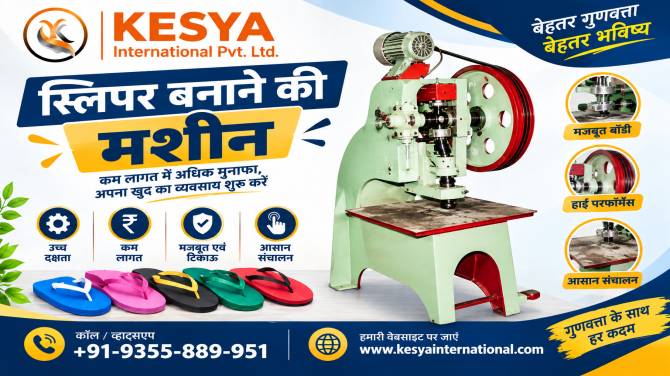
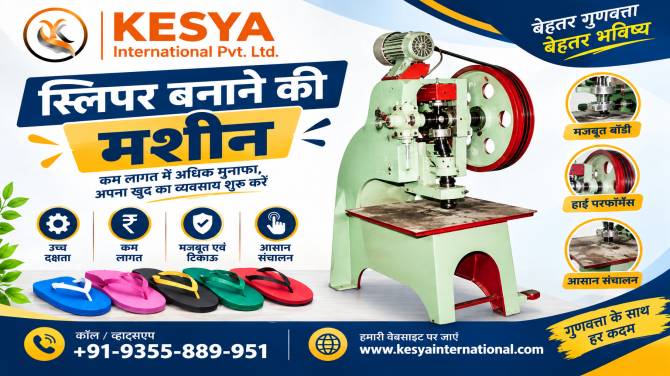
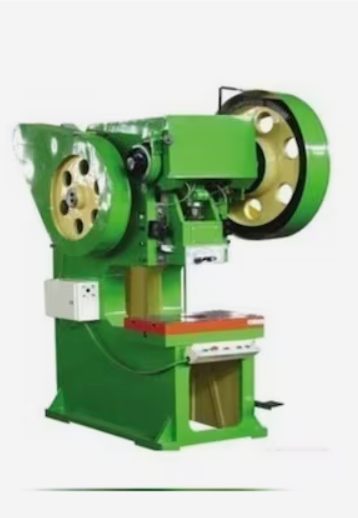
The footwear industry includes many different types of products, and chappals remain an important category for manufacturers in India. From simple everyday footwear to designed sandals and other products, manufacturers need suitable machinery to maintain an organized production process. A chappal making machine can support several stages of production, while specific footwear upper making equipment can be used according to the design and manufacturing method. For a footwear business, selecting machinery should begin with understanding the product. The shape of the chappal, upper design, material, required production quantity and finishing process can all influence the type of machine required. What Is a Chappal Making Machine? A chappal making machine is equipment used to support different operations involved in manufacturing chappals and related footwear products. Depending on the machine configuration, it may be used for operations such as cutting, punching, pressing, shaping or other repetitive manufacturing processes. Different machines are designed for different production requirements. A small footwear unit may require a simpler setup, while a larger manufacturer may need machinery capable of supporting continuous production. The important point is that a machine should be selected according to the actual product and production process rather than simply choosing a machine based on its name. What Is a Footwear Upper? The upper is the part of footwear positioned over the foot. In a chappal or sandal, the upper can take different forms depending on the product design. It may include straps, shaped sections or other components that are attached to the footwear base. The design of the upper affects the appearance and construction of the finished product. Because upper designs can vary considerably, the production process can also differ from one footwear product to another. For manufacturers, this means that the machine used for upper production should be compatible with the required shape, size and manufacturing process. How Is a Footwear Upper Made? Footwear upper production generally begins with selecting the appropriate material and preparing it according to the product design. The material is then marked, cut or shaped into the required components. Depending on the design, further operations may be needed to create holes, edges, curves or attachment areas. These components are then prepared for assembly with the footwear base. When production quantities are small, some operations may involve greater manual participation. As production increases, manufacturers may use suitable machinery to make repetitive processes more consistent and easier to manage. Which Machine Is Used for Footwear Upper Making? There is no single machine that is suitable for every type of footwear upper. The required equipment depends on the design and production method. Cutting equipment can be used when upper components need to be produced in specific shapes. Punching operations may be required for holes or attachment points, while pressing or shaping equipment can be used for particular manufacturing processes. A footwear manufacturer should therefore provide the machine supplier with details about the product before purchasing equipment. This allows the manufacturer or supplier to recommend machinery according to the actual production requirement. Why Is the Right Machine Important? Choosing suitable machinery can affect production efficiency, workflow and product consistency. If a machine is not appropriate for the intended product, operators may have difficulty achieving the required production process. A properly selected chappal making machine can help organize repetitive operations and make production easier to manage. For a growing footwear business, machinery selection should also consider future production requirements. A machine should not only meet today's needs but should also be considered in relation to expected business growth. Automatic Chappal Making Machine or Manual Machine? Both automatic and manual machinery can be used in footwear manufacturing, depending on the production setup. A manual machine generally involves greater operator participation. It can be suitable for businesses with comparatively smaller production requirements or manufacturers who prefer a simpler production arrangement. An automatic chappal making machine can reduce certain repetitive manual operations and may be considered when production requirements are higher. The decision should be based on production quantity, workforce, investment capacity and the type of footwear being manufactured. Automatic does not automatically mean suitable for every business, just as a manual machine is not necessarily unsuitable for larger manufacturers. What Affects the Price of a Chappal Making Machine? The price of a chappal making machine can vary according to its configuration, capacity, automation level and intended application. A machine designed for a particular production operation may have a different price from a complete manufacturing setup. Buyers should therefore understand exactly what is included in the quotation. Other considerations can include installation, power requirements, accessories, maintenance and after-sales support. Looking at the complete production investment can provide a more realistic understanding of the cost of starting or expanding a footwear manufacturing unit. Who Manufactures Chappal Making Machines in India? India has manufacturers and suppliers serving different segments of the footwear machinery market. When selecting a manufacturer, buyers should examine the machine specifications and discuss their product requirements before placing an order. Kesya International can be considered by businesses searching for chappal making and footwear-related machinery in India. A direct discussion with the manufacturer can help buyers understand which equipment is appropriate for their intended product and production volume. The manufacturer's support can also be important after installation. Information about operation, maintenance, spare parts and technical assistance should be discussed before purchasing. Can Chappal Machinery Be Used for Different Footwear Products? The suitability of a machine for different footwear products depends on its design and specifications. Some machinery may support multiple related operations, while other equipment may be intended for a specific production process. A manufacturer producing several types of footwear should discuss all intended products with the machinery supplier. This can help determine whether one setup can support the required operations or whether additional equipment is necessary. Planning the complete production line in advance can also prevent unnecessary investment in machinery that does not match the final product requirements. How Can a Small Business Start Chappal Manufacturing? A small business can begin by identifying the type of chappal it wants to manufacture and estimating expected demand. The production process should then be mapped from material preparation through cutting, upper preparation, assembly and finishing. Once the process is understood, the business can identify which operations require machinery and which can be handled manually. Starting with suitable equipment can make it easier to control investment while maintaining a practical production capacity. As orders increase, the manufacturer can consider additional machinery or higher-capacity equipment. What Should You Ask Before Buying a Footwear Machine? Before purchasing a machine, buyers should understand its production capacity, operating method, power requirements, installation process and maintenance requirements. It is also important to ask about spare parts and technical support. A machine is a long-term business investment, so after-sales service can be an important part of the purchasing decision. Buyers should also confirm whether the machine is suitable for their specific footwear upper design. Providing product samples, photographs or design details to the manufacturer can help in discussing the appropriate production setup. Conclusion A chappal making machine can support several important operations in footwear manufacturing, while dedicated equipment may be required for producing specific footwear upper designs. The right machinery depends on the product, material, upper design, production volume and manufacturing process. Businesses should therefore understand their requirements before comparing machines, manufacturers and prices. For manufacturers in India, discussing the complete product requirement with a machinery supplier such as Kesya International can help in identifying a suitable production setup. Careful machine selection can support organized production and provide a foundation for expanding a footwear manufacturing business.
Buy Now
.jfif)
.jfif)
.webp)
.jpg)