- kesyaipl2@gmail.com
- Rajdhani Park, Mubarkpur, Delhi, 110041, India
Blogs

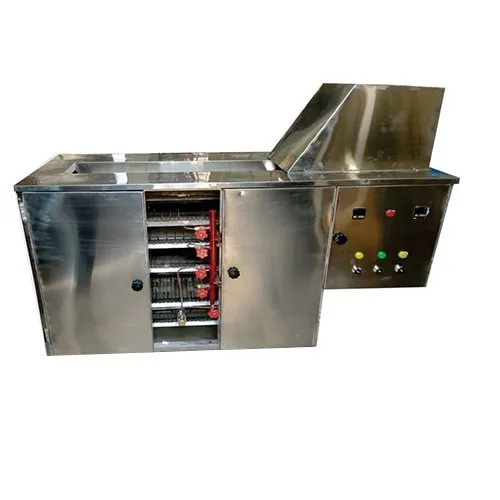
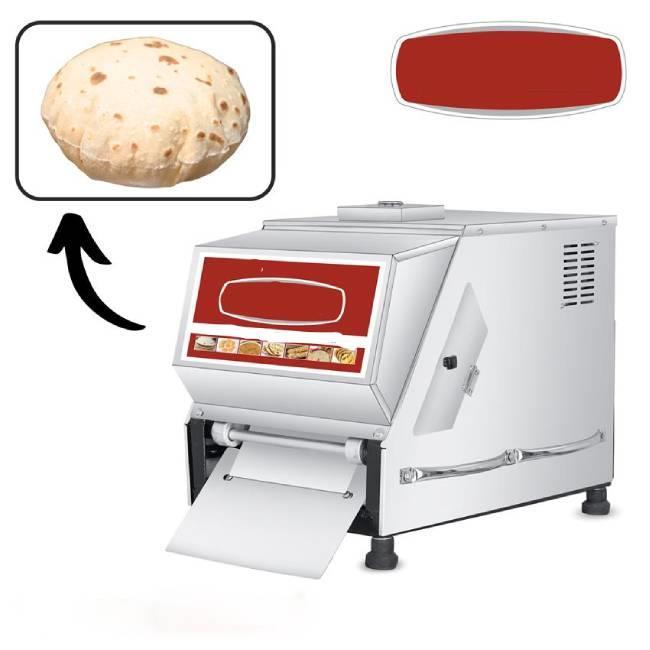
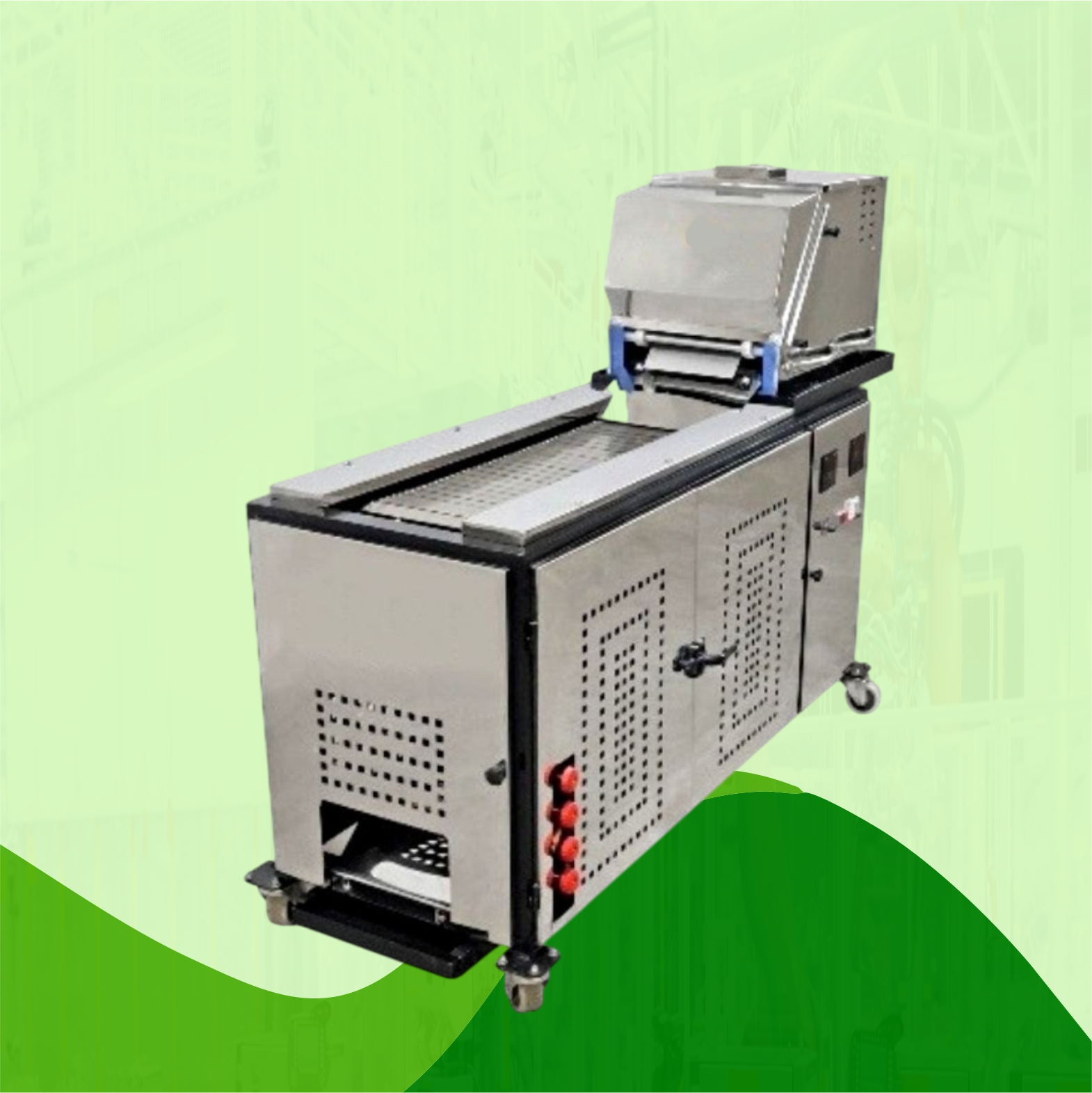
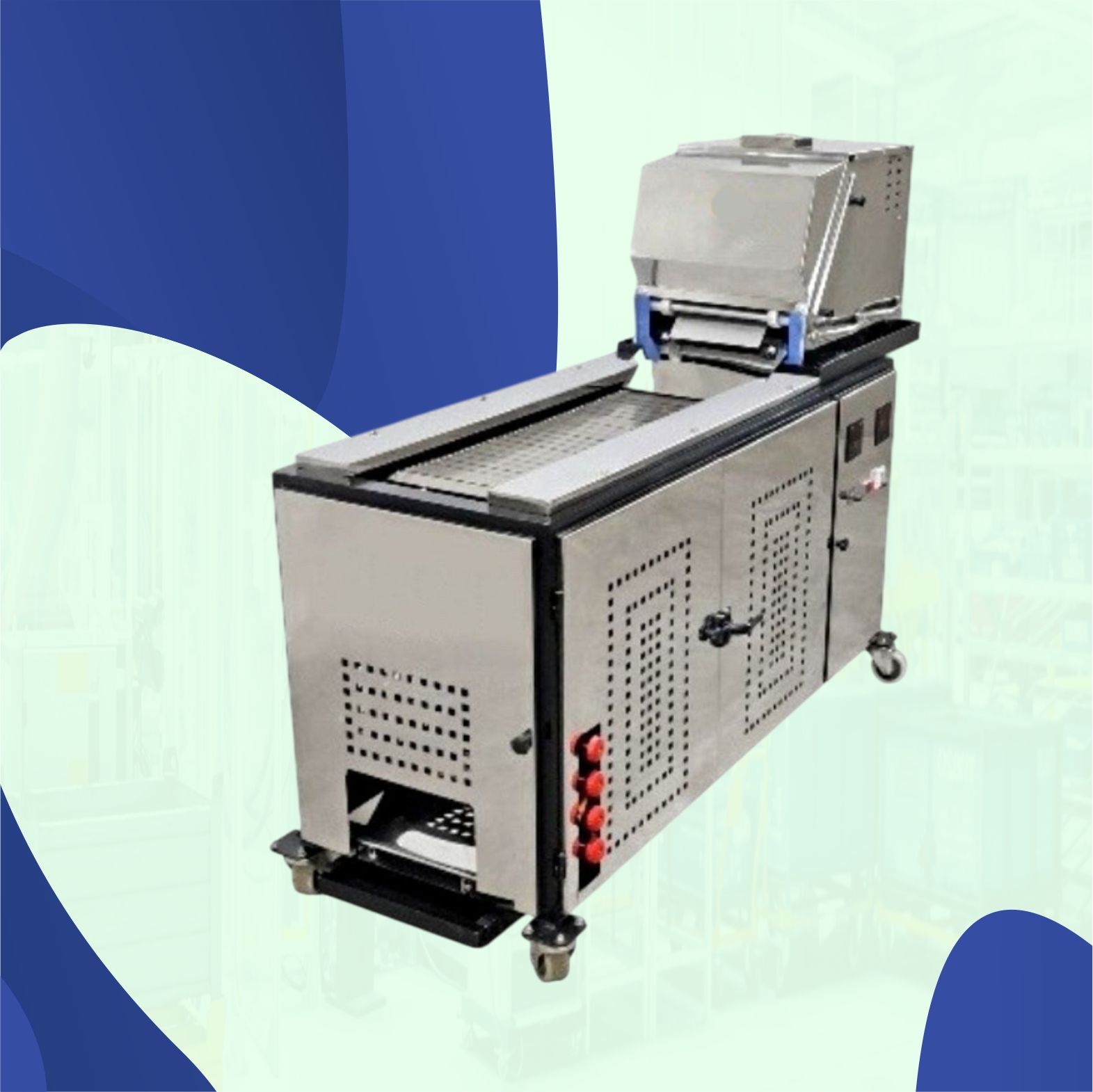
Can a Roti Making Machine Increase Productivity in Your Commercial Kitchen?
Price: ₹380000
Q1. What makes a Roti Making Machine an essential machine for food businesses?
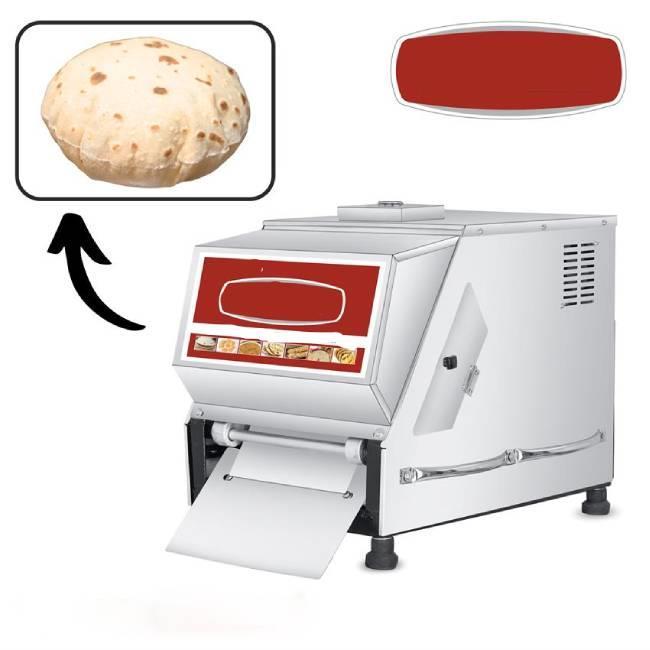
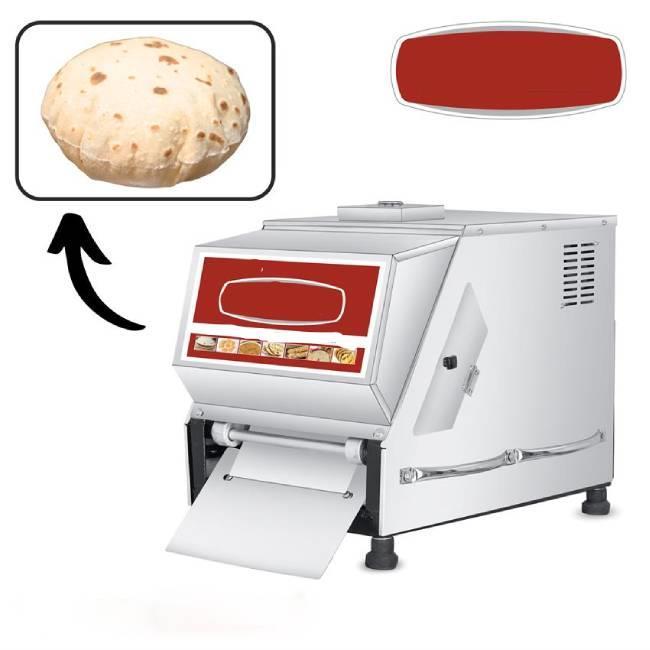
For businesses that prepare a large number of rotis every day, maintaining speed and consistency can be difficult with manual preparation. A Roti Making Machine automates the process, helping kitchens produce fresh, evenly cooked rotis in less time. This not only improves productivity but also allows staff to focus on other important kitchen tasks.
Q2. Is a Roti Making Machine suitable only for large businesses?
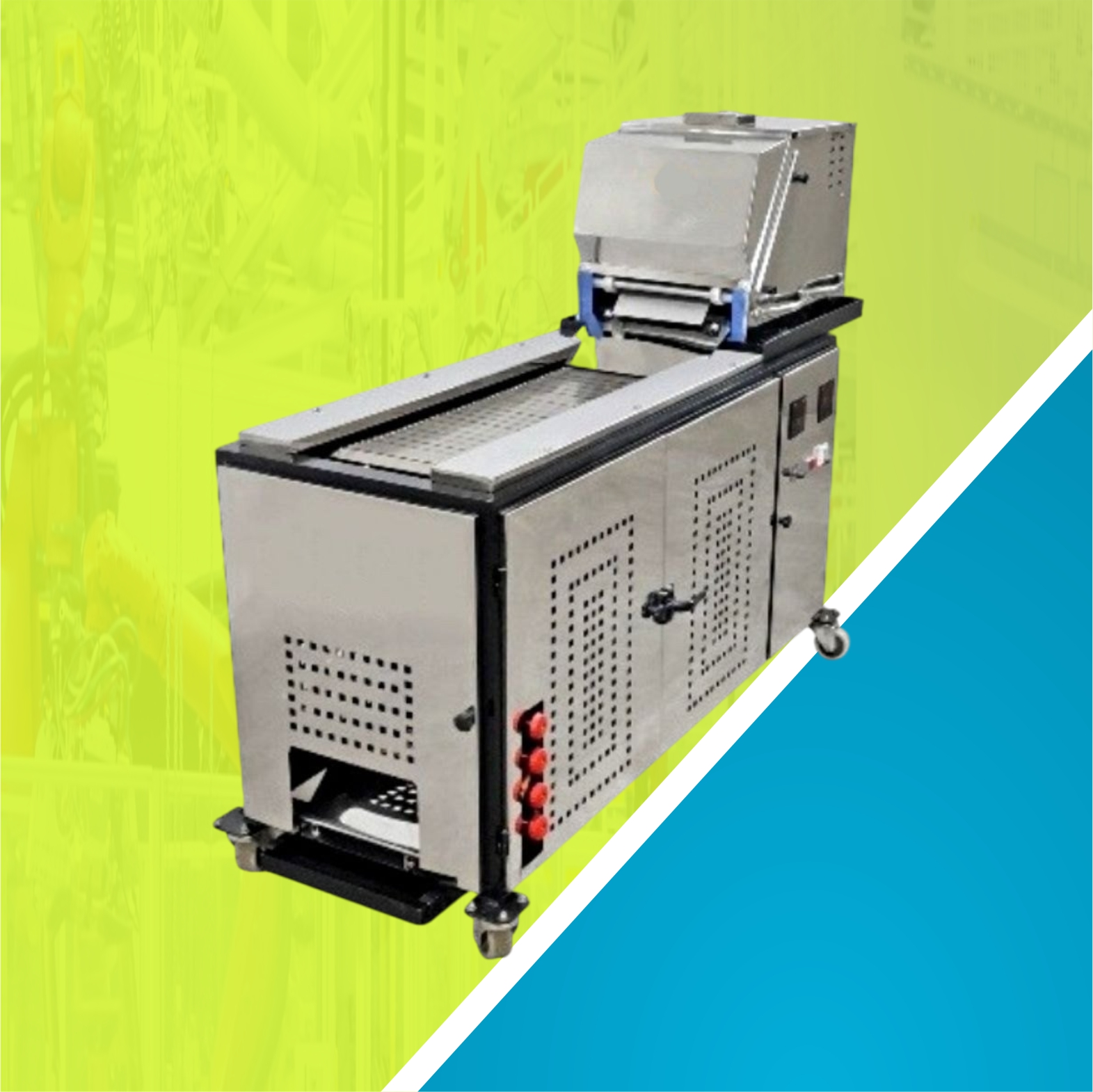
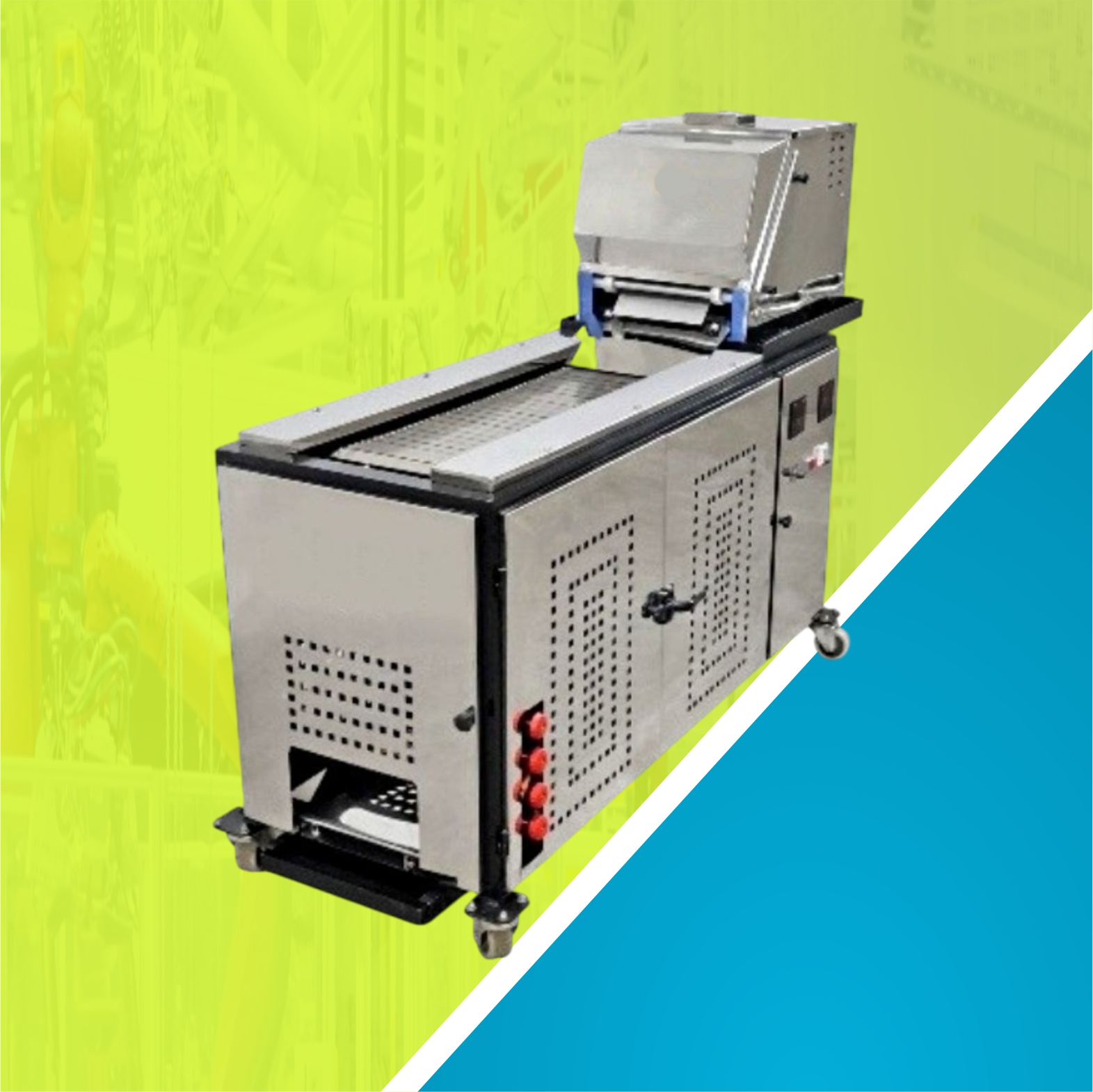
Not at all. While large hotels and industrial kitchens use these machines extensively, they are also beneficial for medium-sized restaurants, cloud kitchens, catering companies, and food startups. Different models are available with varying production capacities, allowing businesses to choose a machine that matches their daily requirements and budget.
Q3. How does the machine maintain consistent roti quality?
The machine is designed to divide the dough into equal portions, flatten each portion into a uniform shape, and cook the rotis at a controlled temperature. Since every step is automated, each roti has a similar size, thickness, and texture. This consistency helps businesses deliver the same quality to customers every time.
Q4. How can automation improve business operations?
Automation reduces the need for continuous manual labor and speeds up the production process. Instead of spending hours rolling and cooking rotis by hand, operators can manage larger volumes with less effort. This helps reduce waiting time during busy hours, increases daily production, and improves overall kitchen efficiency.
Q5. Which industries commonly use Roti Making Machines?
These machines are widely used in restaurants, hotels, catering services, central kitchens, hospitals, educational institutions, hostels, corporate cafeterias, religious kitchens, NGOs, and food manufacturing companies. They are especially useful wherever fresh rotis are prepared in bulk on a daily basis.
Q6. What should you consider before buying a Roti Making Machine?
Before making a purchase, consider factors such as daily production capacity, machine size, electricity consumption, ease of cleaning, maintenance requirements, and after-sales support. Choosing a machine made from food-grade stainless steel can also help ensure durability, hygiene, and long-term performance.
Final Answer
A Roti Making Machine is a valuable investment for businesses that want to improve productivity without compromising food quality. It delivers consistent results, supports hygienic food preparation, reduces labor dependency, and helps commercial kitchens handle increasing customer demand with confidence.
Buy Now

.jpg)
.jpg)