- kesyaipl2@gmail.com
- Rajdhani Park, Mubarkpur, Delhi, 110041, India
Blogs

Chappal Making Machine Manufacturer | Commercial Production Solutions in India
Price: ₹53000
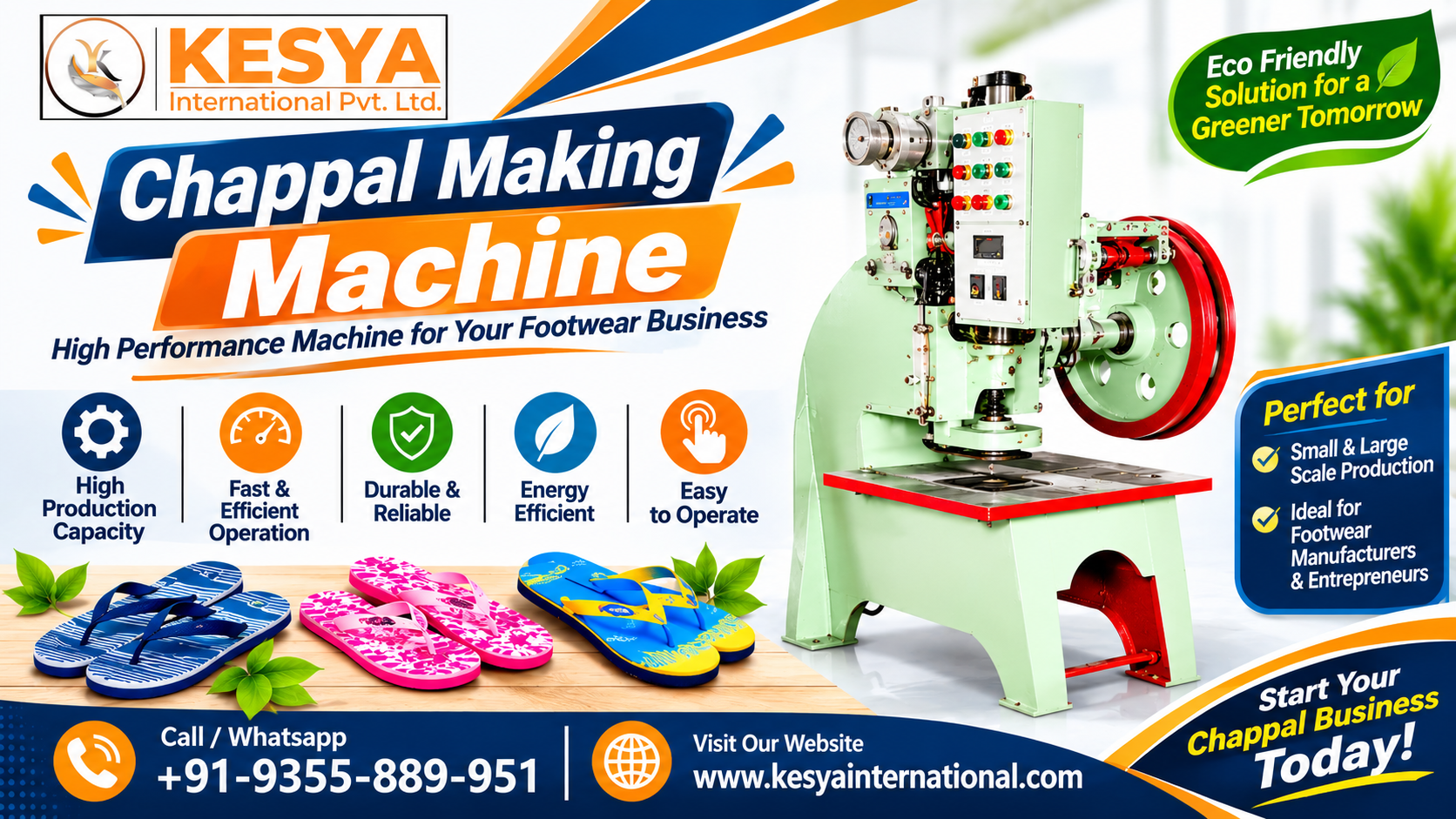
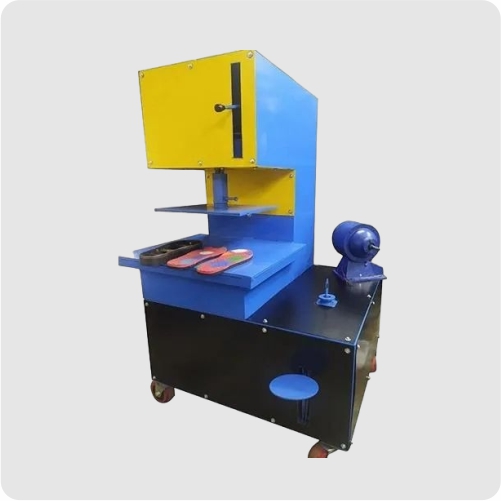
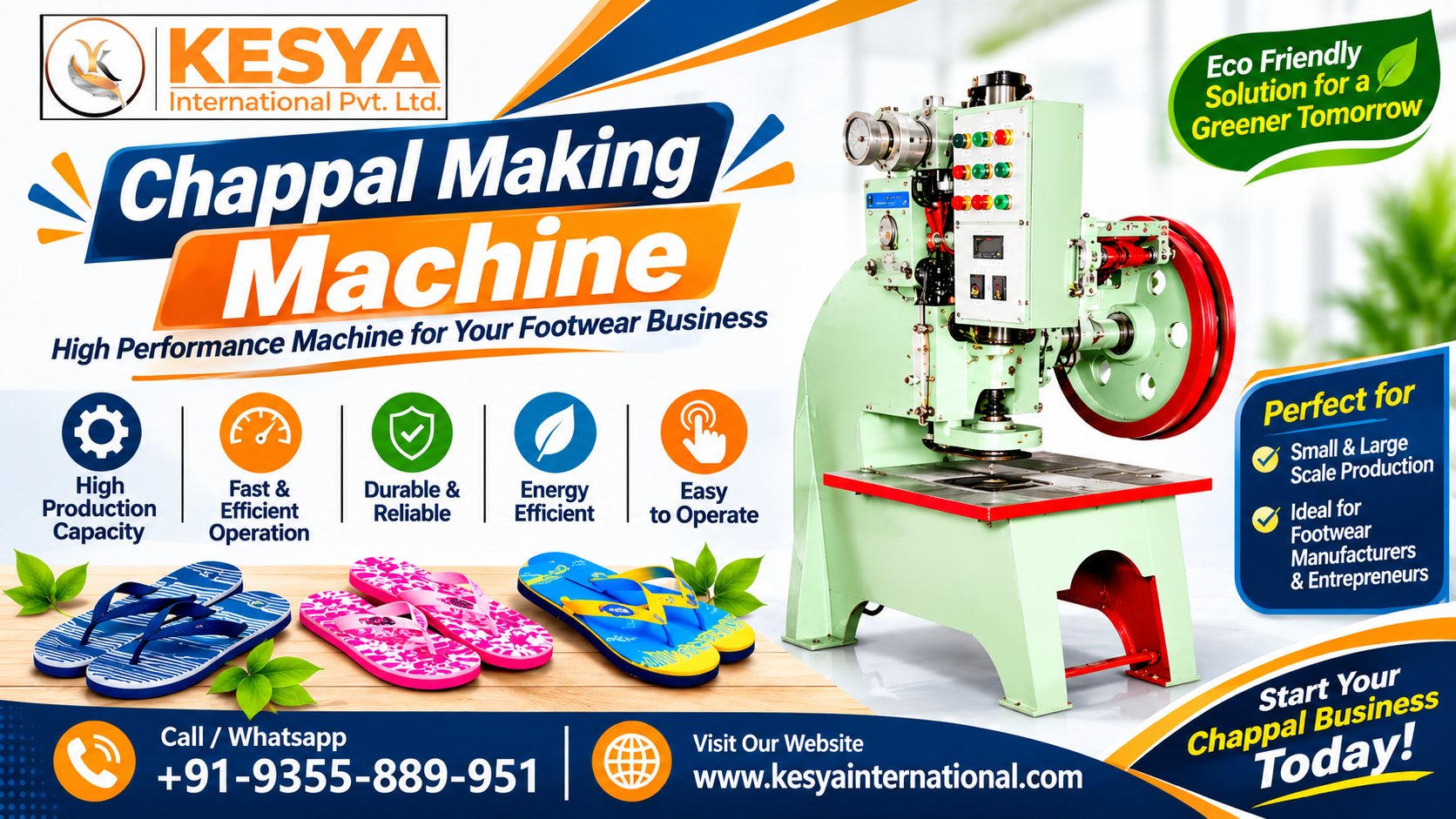
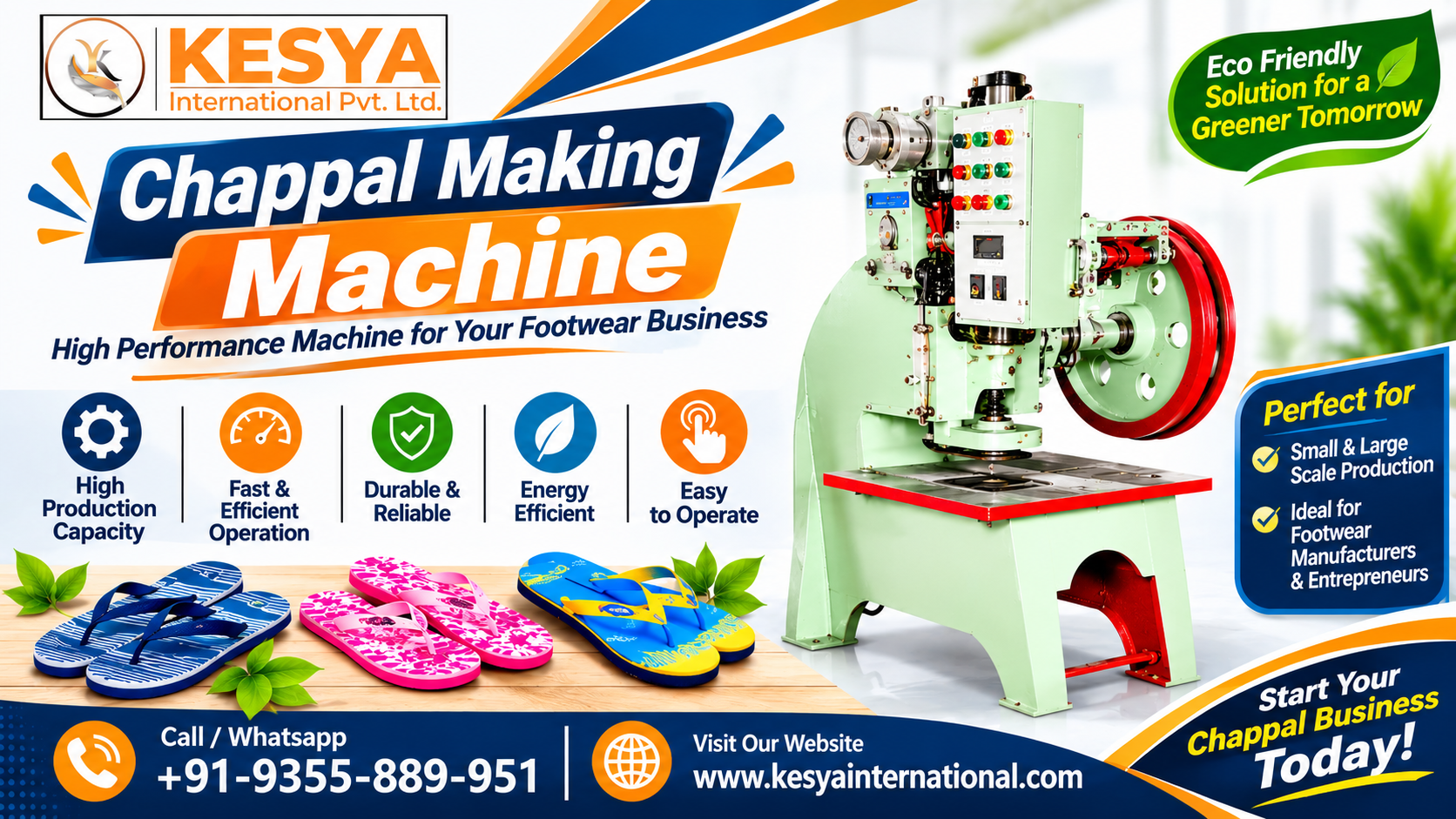
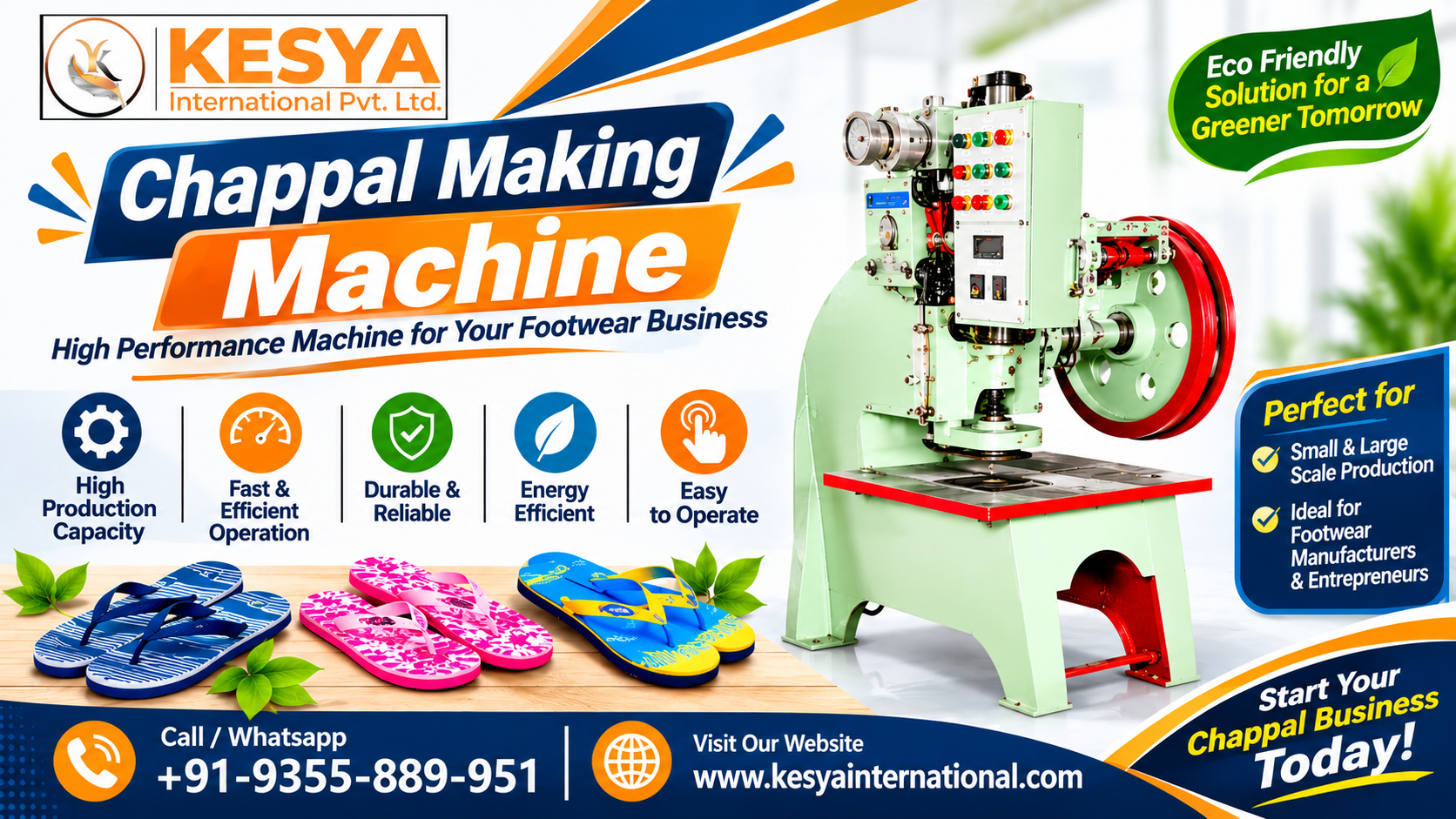
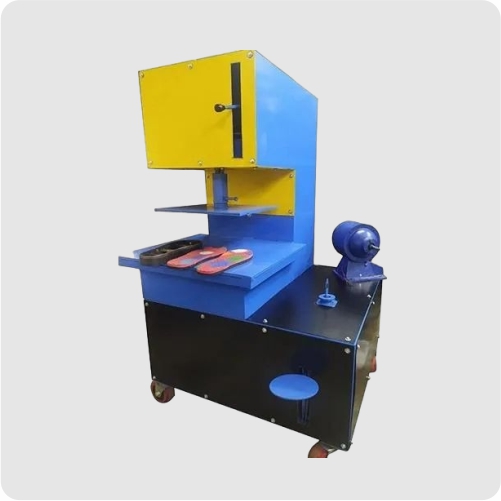
Chappal Making Machine for Commercial Footwear Production
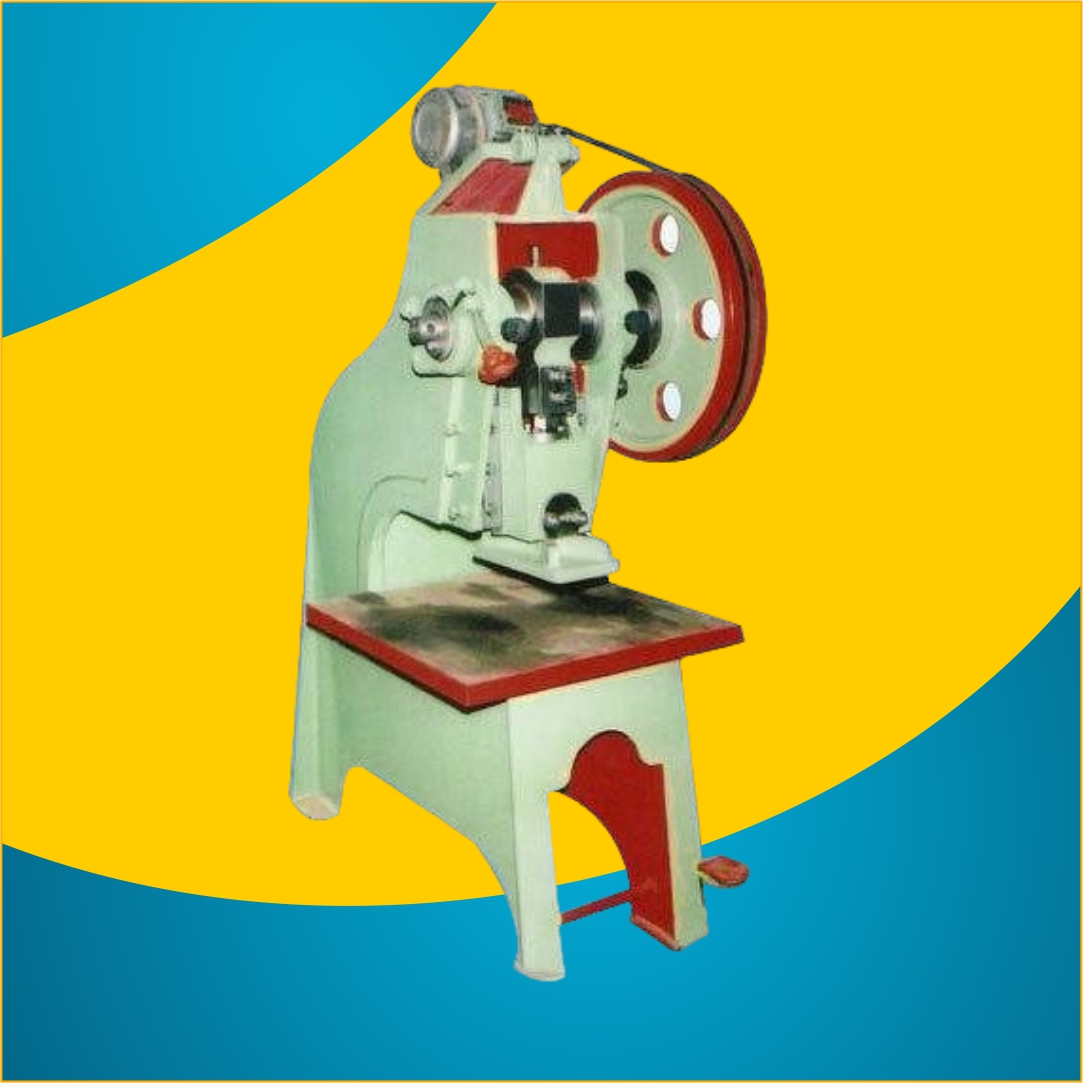
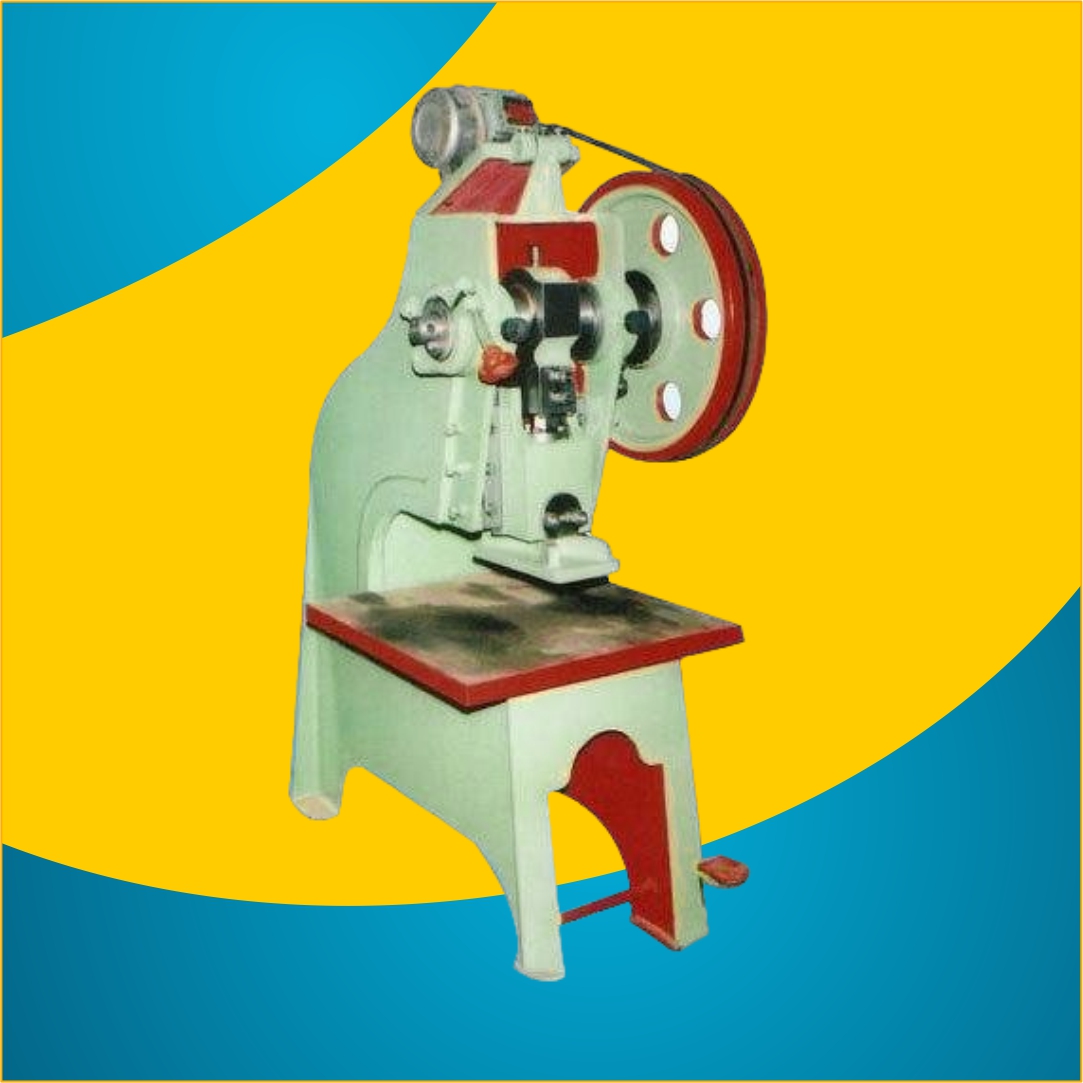
Chappals are among the commonly used footwear products in India, with demand across local markets, retail shops, wholesale businesses and everyday consumer segments. Their manufacturing involves suitable raw materials, cutting and shaping operations, and proper finishing. A Chappal Making Machine helps manufacturers carry out selected production operations according to the required product design and business scale.
For entrepreneurs planning to establish a footwear manufacturing unit, choosing suitable machinery is an important investment decision. Kesya International offers machinery solutions for businesses exploring chappal manufacturing and looking for equipment that matches their production requirements.
Why Is a Chappal Making Machine Important?
Machinery plays an important role in organising the manufacturing process. Depending on its configuration, a chappal making machine can support operations such as cutting, shaping or punching.
Using suitable equipment can help manufacturers maintain consistent working processes and manage production more systematically. However, the final product quality also depends on raw material selection, machine settings, operator skills and finishing practices.
Different Chappal Manufacturing Requirements
Every chappal manufacturing business may have different requirements. Some businesses focus on basic everyday designs, while others manufacture products in different sizes, colours and styles.
The machine should therefore be selected according to the intended product range. Buyers should check the supported material thickness, working dimensions, die compatibility and the operations performed by the machine.
Manual and Automatic Chappal Making Machine Options
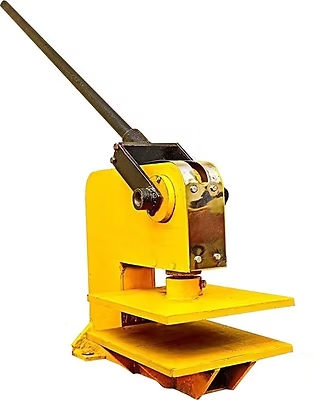
Manual machines may be considered by small workshops or entrepreneurs with limited production requirements. They generally involve greater operator participation.
Semi-automatic machines may provide selected automated functions while requiring operators to handle other stages of production.
Automatic machines may be suitable for businesses planning a more automated production arrangement. Their actual capabilities depend on the model, included features and technical specifications.
Before selecting a machine, compare its actual working process rather than relying only on its category or name.
Raw Materials Used in Chappal Manufacturing
The raw materials used in chappal production depend on the design and intended application. Manufacturers may use compatible sole sheets, footwear materials, straps and other components.
Material quality can influence the comfort, appearance and durability of the finished product. It is important to check whether the machine can process the selected material and thickness.
How to Select a Reliable Chappal Machine Manufacturer?
Selecting a reliable manufacturer is an important part of planning a production unit. Buyers should evaluate technical specifications, machine construction, operating requirements and the availability of essential components.
Ask the manufacturer about the supported chappal sizes, production process, power requirements, maintenance schedule and spare parts. A machine demonstration can also help buyers understand its working method.
Kesya International helps businesses explore machinery requirements for chappal manufacturing and compare suitable equipment configurations.
Chappal Making Machine Price and Investment in India
The price of a chappal making machine depends on its configuration, operating system, features and production requirements. Additional dies, tooling or supporting equipment may increase the total investment.
A business should calculate the complete setup cost instead of considering only the machine purchase price. This includes raw materials, labour, electricity, workspace, packaging, transportation and working capital.
For a suitable quotation, provide the supplier with details about the product design, expected production volume and preferred machine type.
How to Build a Chappal Manufacturing Business?
A successful business plan begins with market research. Study the demand for different chappal designs and sizes in your target area. Identify potential retailers, wholesalers and distributors and understand the price range in which you intend to sell.
After identifying the market, estimate the machinery investment and recurring expenses. Plan the raw material supply and storage arrangements before beginning production.
Regular quality checks and careful cost management can help manufacturers operate more efficiently.
Frequently Asked Questions About Chappal Making Machines
1. What is a Chappal Making Machine used for?
It is used for selected manufacturing operations involved in producing chappals, depending on its design and configuration.
2. Which chappal making machine is suitable for commercial production?
The suitable machine depends on the production target, product design, material and investment capacity of the business.
3. Who is a reliable chappal making machine manufacturer in India?
Buyers should compare manufacturers based on machine specifications, product suitability, technical information and support arrangements. Kesya International is one company they can contact to discuss machinery requirements.
4. Can I manufacture different chappal designs?
Different designs may require compatible dies, tooling or additional operations. Confirm the machine's capabilities before purchasing.
5. What is the difference between a manual and automatic chappal machine?
Manual machines require more operator involvement, while automatic machines may perform selected operations automatically.
6. What materials can be used in chappal manufacturing?
Suitable footwear sheets, sole materials and straps may be used, depending on the product design and machine compatibility.
7. What affects the price of a chappal making machine?
The model, operating system, features, production capacity, tooling and accessories can affect the price.
8. Is a chappal manufacturing business suitable for small entrepreneurs?
It may be suitable for small entrepreneurs who identify local demand and select machinery according to their budget and production requirements.
9. Do I need separate equipment for cutting and punching?
This depends on the selected machine. Some configurations may support particular operations, while other setups require separate equipment.
10. How can I maintain consistent chappal quality?
Use suitable raw materials, maintain proper machine settings and inspect finished products regularly.
11. What should I check before buying a machine?
Check the technical specifications, material compatibility, supported sizes, power requirements, maintenance needs and spare-part availability.
12. How do I get a quotation for a chappal manufacturing machine?
Share your required product type, production expectations and preferred machine configuration with the supplier to receive a relevant quotation.
Kesya International – Machinery for Chappal Manufacturing
Kesya International supports businesses exploring machinery for chappal production. Selecting the right equipment requires careful consideration of product design, raw material compatibility, production requirements and investment.
Understanding these factors before purchasing can help manufacturers plan their production facilities and choose machinery that suits their business objectives.
More info: Automatic & Manual Slipper Making Machine Manufacturer | Chappal Making Machine
Buy Now
Chappal Making Machine Manufacturer
Chappal Manufacturing Machine
Chappal Machine Manufacturer India
Commercial Chappal Making Machine
Chappal Production Machinery
Chappal Machine Price
Chappal Manufacturing Business
Chappal Machine Company
Manual Chappal Making Machine
Automatic Chappal Making Machine
Semi Automatic Chappal Machine
Chappal Sole Manufacturing
Chappal Production Setup
Footwear Production Equipment
Chappal Manufacturing in India
Kesya International
.webp)

.jpg)