- kesyaipl2@gmail.com
- Rajdhani Park, Mubarkpur, Delhi, 110041, India
Blogs
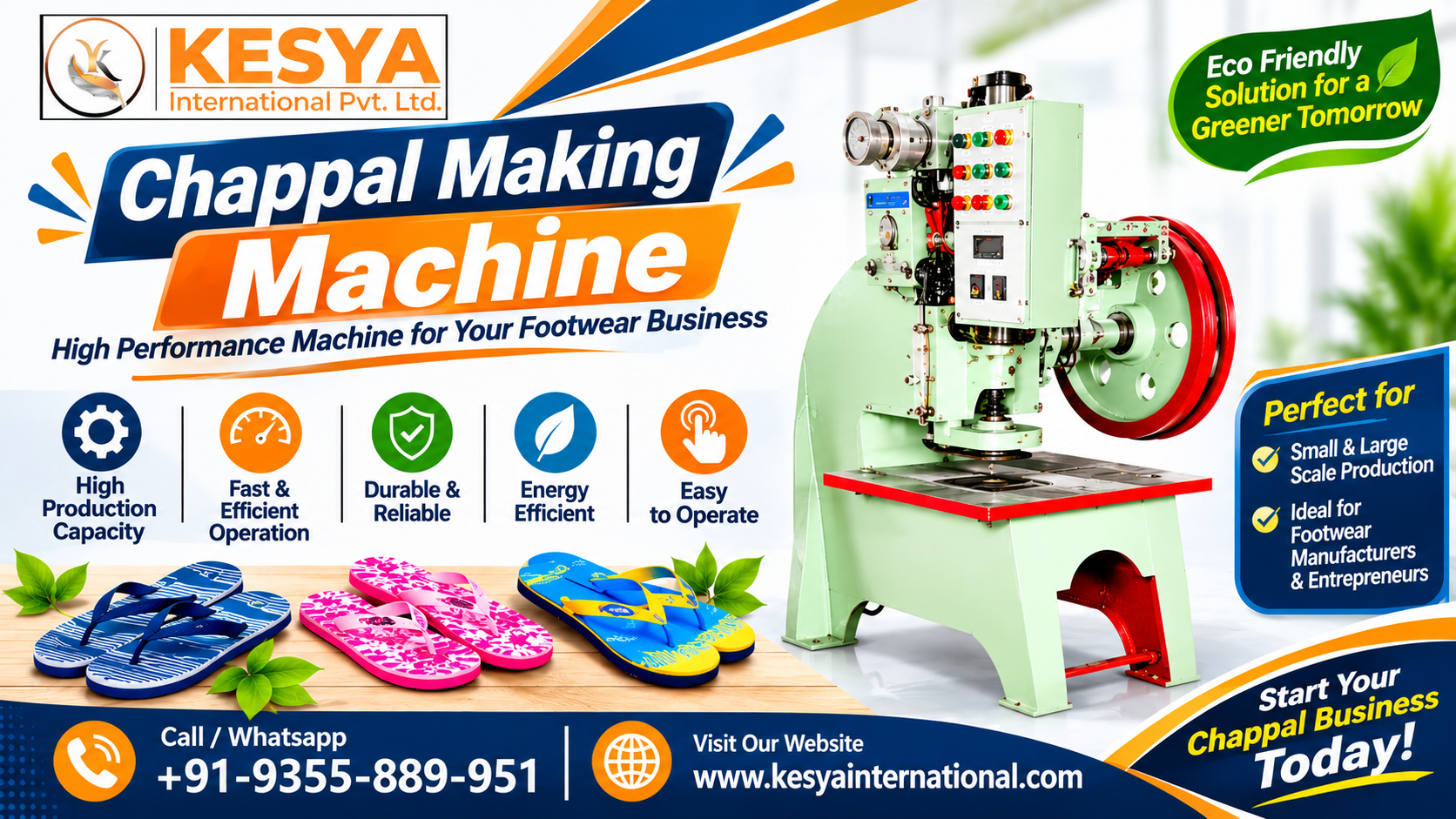
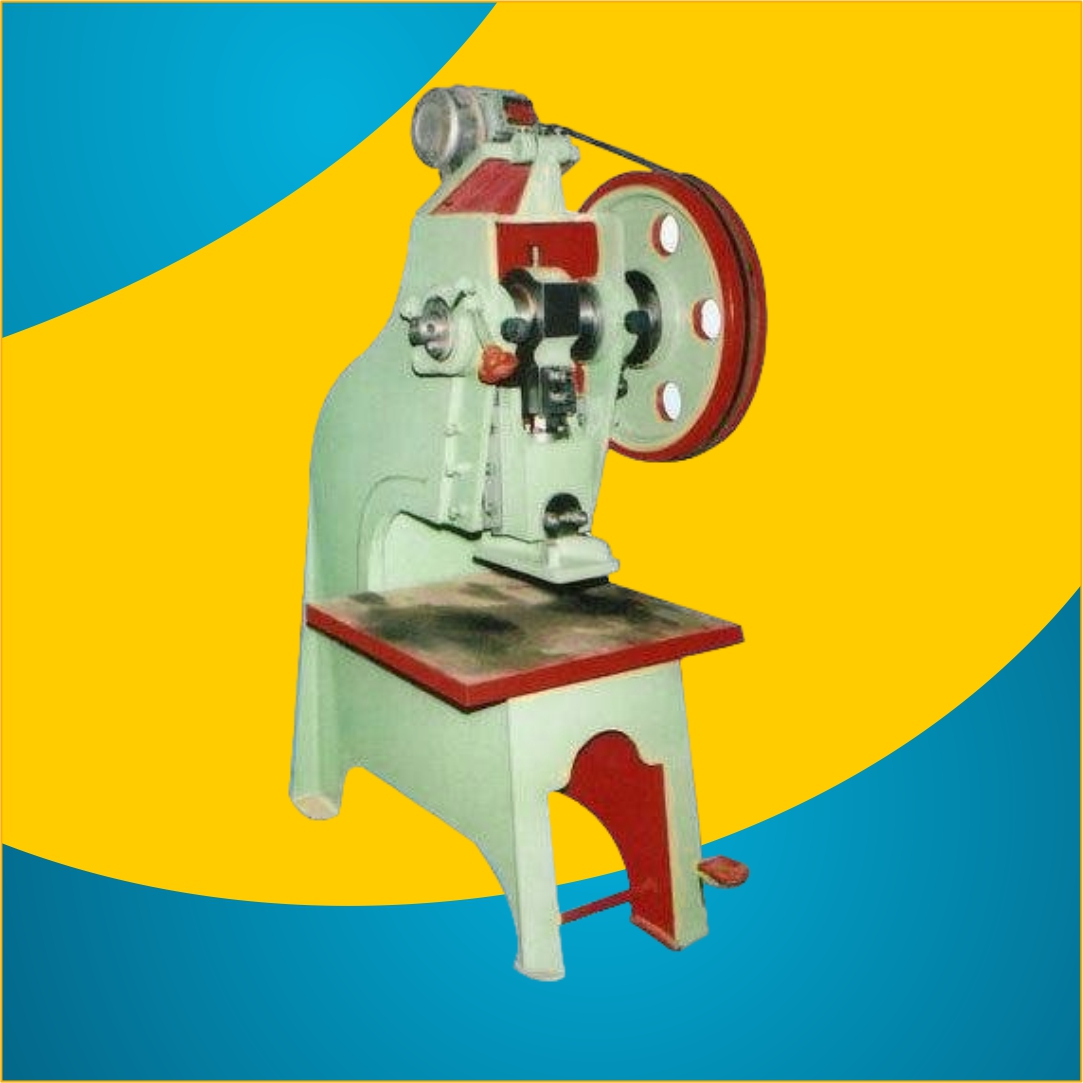
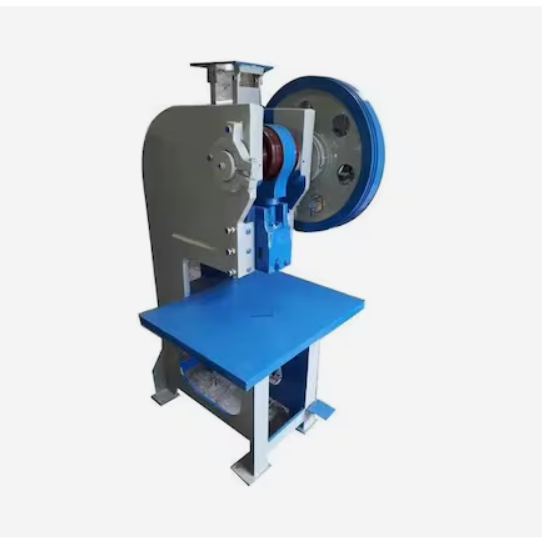
Chappal Making Machine | Modern Manufacturing Setup for Indian Footwear Businesses
Price: ₹55000
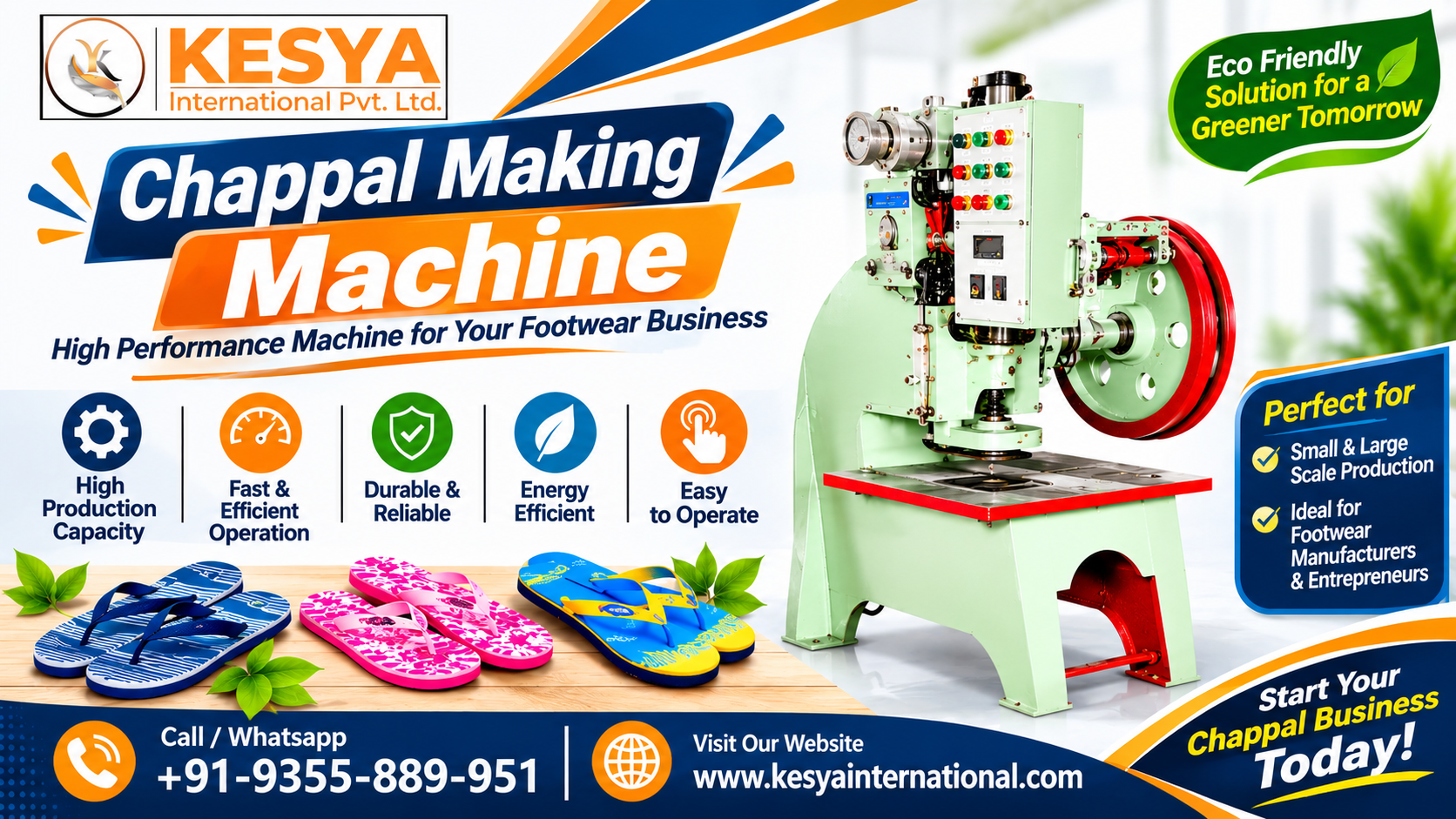
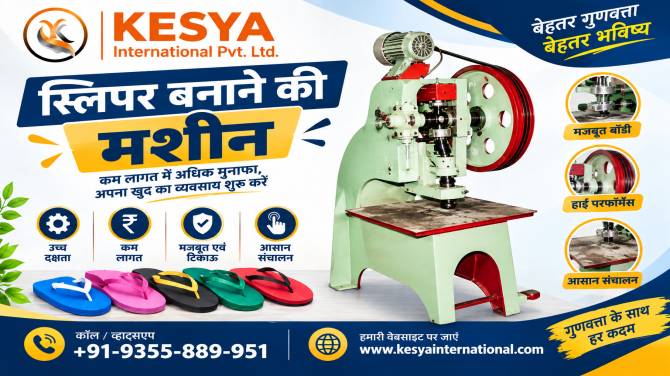
Chappal Making Machine for Growing Footwear Manufacturing Businesses
The demand for affordable and comfortable chappals remains strong across India's footwear market. From local footwear shops and wholesale distributors to established footwear brands, businesses require a reliable supply of different chappal designs and sizes. A suitable Chappal Making Machine can help entrepreneurs establish a manufacturing unit and support existing manufacturers in improving their production processes.
A chappal manufacturing business can serve different customer segments by producing everyday footwear, lightweight chappals and other commonly used designs. Before investing in machinery, manufacturers should understand the production process, raw materials, machine configuration and expected business requirements. Kesya International offers industrial machinery solutions for businesses exploring chappal manufacturing opportunities.
How Does a Chappal Making Machine Work?
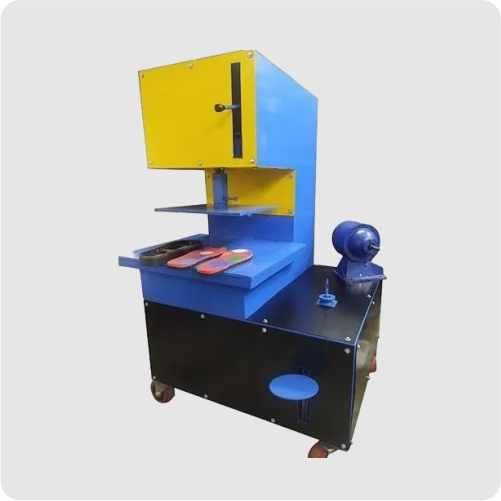
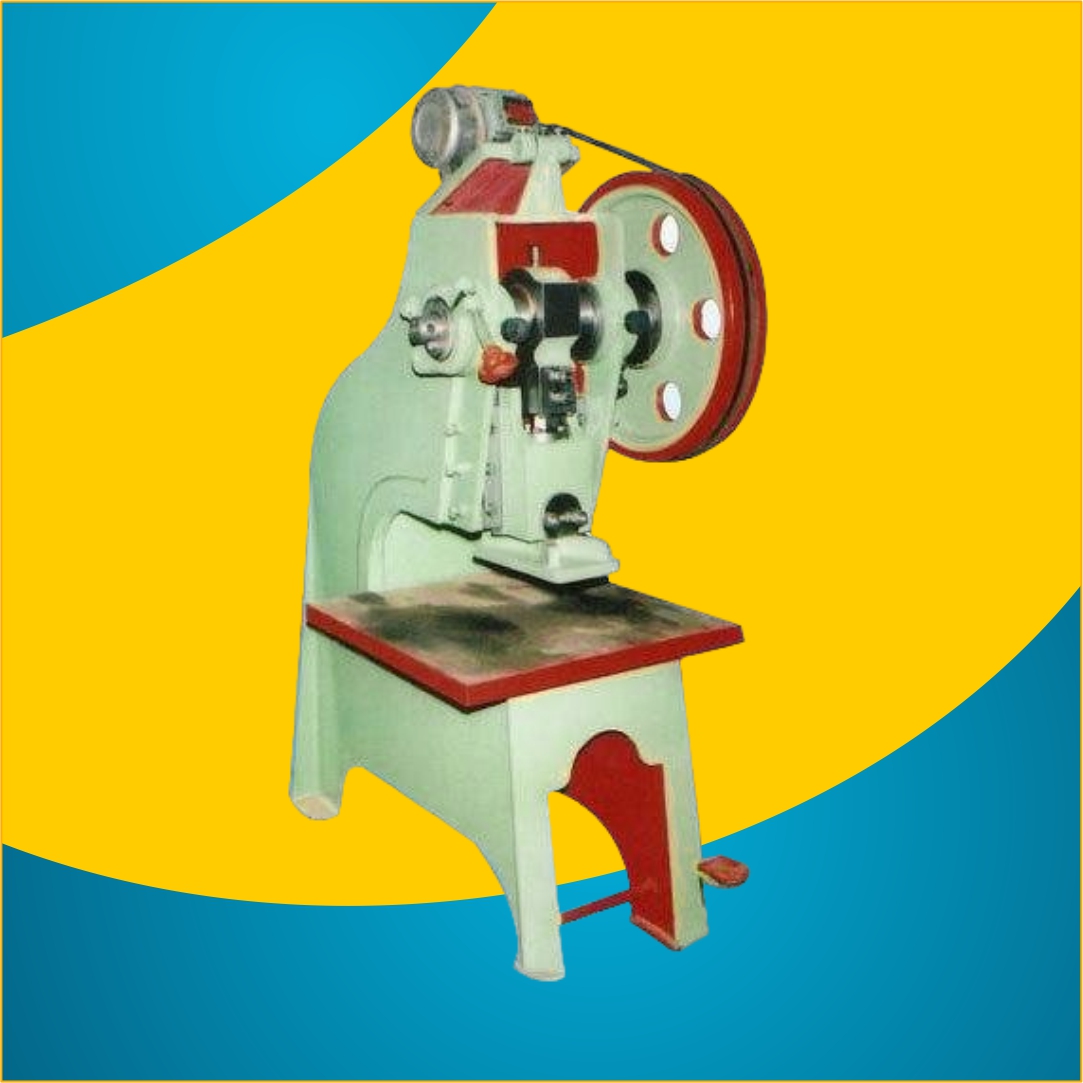
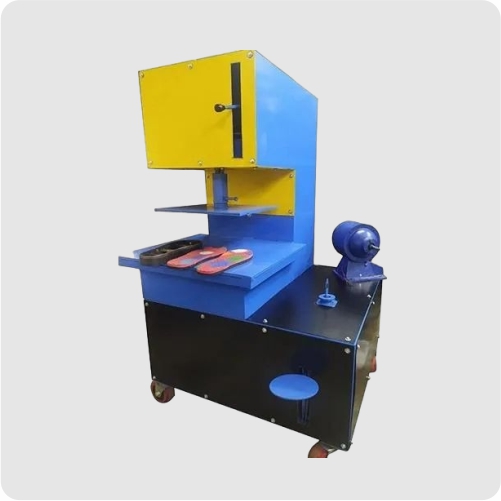
A Chappal Making Machine is used in the manufacturing process to help convert suitable footwear materials into finished or semi-finished chappal products. The exact working process depends on the machine type, manufacturing method and product design.
A typical manufacturing setup may involve preparing the sole material, cutting it into the required shape, making strap holes, fitting the straps and completing the finishing process. Some operations may be performed using separate machines, depending on the production arrangement.
Manufacturers should select machinery according to the type of chappals they plan to produce and the level of automation they require.
Different Chappal Manufacturing Requirements
Chappal manufacturers may work with different designs, materials and sizes. A manufacturing unit should consider its target market before selecting equipment.
Daily-use chappals generally require practical designs and comfortable soles. Fashion-oriented products may require different shapes, colours and finishing details. Wholesale manufacturers may focus on consistent sizing and repeat production, while smaller businesses may prefer a flexible setup that supports different product requirements.
The right machinery configuration depends on the intended product range, available workspace and production expectations.
Important Factors Before Purchasing a Chappal Making Machine
Choosing a machine involves more than comparing its purchase price. Buyers should evaluate the equipment according to their manufacturing requirements.
The first consideration is the type of chappal to be manufactured. Different product designs may require different cutting arrangements, moulds or supporting equipment.
The second consideration is the material compatibility. Buyers should discuss which sole materials and thicknesses can be processed by the selected machine.
Production capacity is another important factor. Businesses should understand the expected output under actual operating conditions instead of relying only on general capacity claims.
Machine operation, power requirements, installation arrangements, maintenance needs and spare-parts availability should also be discussed with the supplier before placing an order.
Chappal Making Machine Price in India
The price of a Chappal Making Machine in India depends on several factors, including machine type, automation level, technical specifications, included accessories and manufacturing configuration.
A basic machine setup may have a different investment requirement from a more advanced arrangement involving multiple production operations. Buyers should also consider the cost of raw materials, electricity, labour, workspace, packaging and transportation when preparing a business budget.
For an accurate quotation, manufacturers should share their product requirements and ask the supplier for complete machine specifications. Comparing machines on the basis of features, suitability and after-sales arrangements can help businesses make a more informed purchasing decision.
Starting a Chappal Manufacturing Business in India
Starting a chappal manufacturing business requires proper planning. Entrepreneurs should first research local demand and identify the customers they want to serve. These may include footwear retailers, wholesalers, distributors and local traders.
After identifying the target market, the next step is to decide the product range. Businesses should consider the sizes, designs, colours and material options that are relevant to their customers.
The manufacturing workspace should have sufficient room for machinery, raw materials, finished products and packaging. Operators should also understand the machine's operating instructions and follow appropriate workplace safety practices.
Before starting regular production, it is useful to conduct trial runs and check the cutting quality, product dimensions and finishing consistency.
Why Choose Kesya International for Chappal Manufacturing Machinery?
Kesya International provides machinery-related solutions for entrepreneurs and manufacturers exploring different industrial production opportunities. Businesses researching a Chappal Making Machine can discuss their manufacturing requirements and identify an appropriate machine configuration.
Before purchasing, buyers should confirm the available machine model, technical specifications, supported materials, accessories, installation requirements and commercial terms. This helps ensure that the selected equipment is suitable for the intended manufacturing process.
Questions Indian Buyers Ask About Chappal Making Machines
Which Chappal Making Machine is suitable for a small business?
A suitable machine depends on the product design, expected production volume, available investment and manufacturing space. Small businesses should compare machine configurations according to their actual requirements.
What is the price of a Chappal Making Machine in India?
The price varies according to machine specifications, automation, accessories and configuration. Buyers should request a current quotation based on their production needs.
Can I start a chappal manufacturing business with one machine?
It depends on the manufacturing process and the operations supported by that machine. Some setups require additional equipment for cutting, hole-making, strap fitting or finishing.
Which raw materials are used for making chappals?
Manufacturers may use different sole and strap materials depending on the product design. Material compatibility should be confirmed with the machinery supplier.
Is a Chappal Making Machine suitable for commercial production?
Yes, suitable machinery can be used in commercial manufacturing. The required machine configuration depends on the expected output and product specifications.
How do I choose the right chappal manufacturing machine?
Compare the machine's working process, material compatibility, production capacity, power requirements, maintenance needs and price before making a decision.
Can different chappal sizes be manufactured?
Different sizes may be produced depending on the machine configuration, cutting arrangements and required tooling. Confirm the supported size range before purchasing.
What should I check before buying a chappal machine?
Check the machine's specifications, demonstration, material compatibility, accessories, installation requirements, warranty terms and availability of spare parts.
Is a chappal manufacturing business profitable in India?
Profitability depends on product quality, raw material costs, production efficiency, selling price, market demand and distribution. A proper business calculation should be completed before investing.
Where can I find a Chappal Making Machine manufacturer in India?
Businesses can research machinery manufacturers and suppliers, compare their specifications and request quotations. Kesya International is one company buyers can contact to discuss their machinery requirements.
What is the difference between a manual and automatic chappal machine?
Manual equipment generally requires more operator involvement, while automatic machinery can perform certain operations with reduced manual intervention. The exact difference depends on the machine model.
How much space is required for a chappal manufacturing unit?
Space requirements depend on the number and size of machines, raw material storage, workstations and finished-product inventory. Buyers should check the machine dimensions before planning their workspace.
Can a new entrepreneur enter the chappal manufacturing industry?
Yes, a new entrepreneur can explore this industry after researching local demand, selecting suitable machinery, calculating investment costs and developing a sales plan.
What affects the production capacity of a chappal making machine?
Production capacity depends on machine design, operating speed, material handling, operator experience, product complexity and working conditions.
Why should buyers compare machine specifications before purchasing?
Comparing specifications helps buyers understand whether a machine matches their product requirements, production expectations and available investment.
More info: Automatic & Manual Slipper Making Machine Manufacturer | Chappal Making Machine
Buy Now
Chappal Making Machine
Chappal Making Machine India
Chappal Manufacturing Machine
Chappal Machine Manufacturer
Chappal Machine Supplier
Chappal Machine Price in India
Chappal Production Machinery
Chappal Manufacturing Equipment
Chappal Business in India
Chappal Manufacturing Business Setup
Chappal Sole Making Machine
Chappal Cutting Machine
Chappal Production Setup
Footwear Manufacturing Business
Footwear Machinery India
Industrial Chappal Machine
Chappal Machine for Small Business
Commercial Chappal Manufacturing
Chappal Making Equipment Supplier
Kesya International
.webp)
.jfif)