- kesyaipl2@gmail.com
- Rajdhani Park, Mubarkpur, Delhi, 110041, India
Blogs

Chappal Making Machine Supplier in India | Kesya InternationalChappal Making Machine Supplier in India | Kesya International
Price: ₹52000
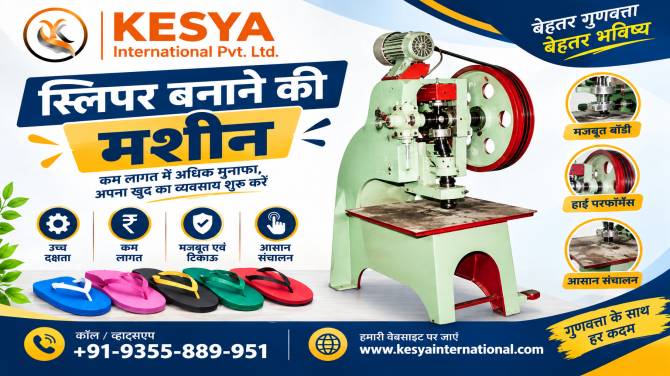
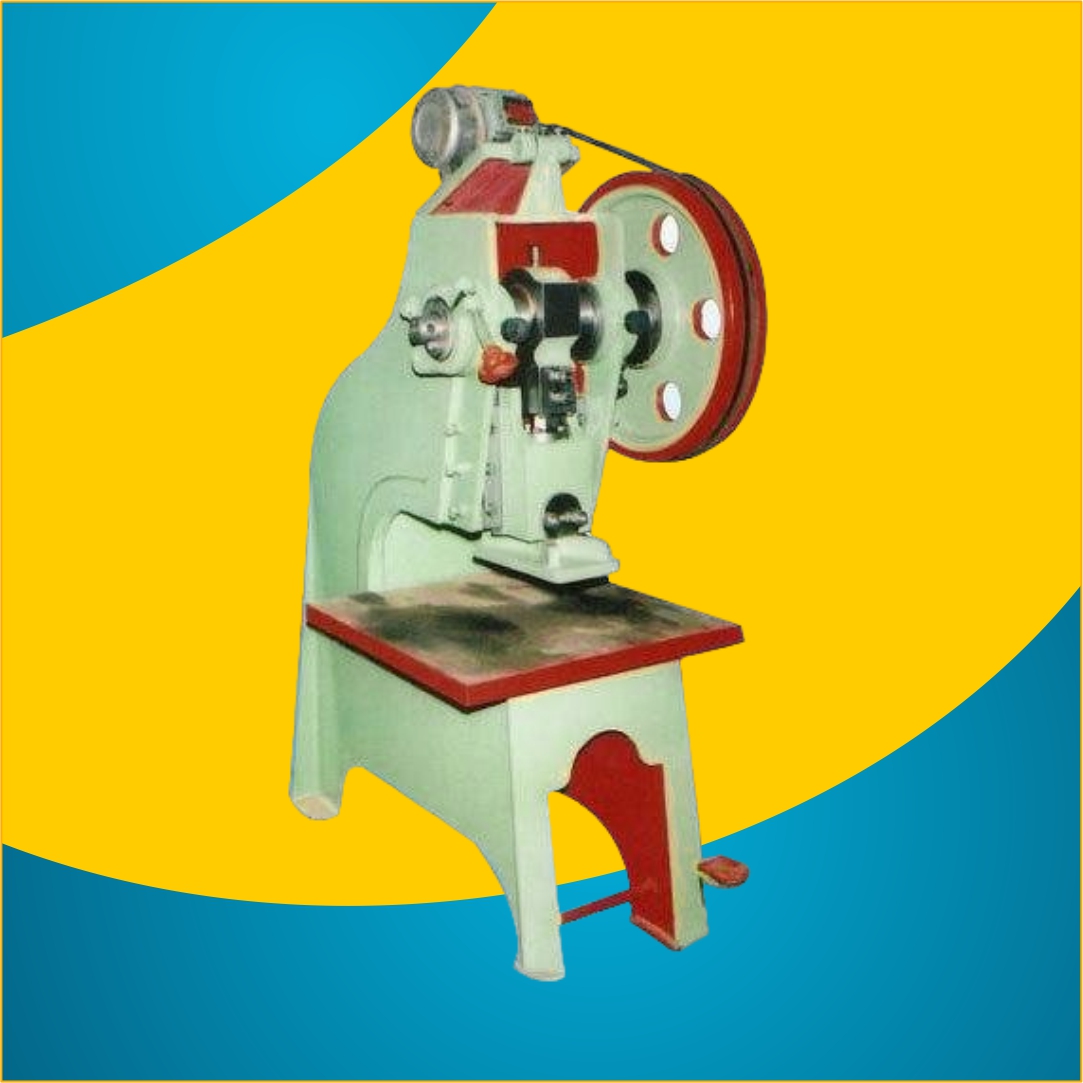
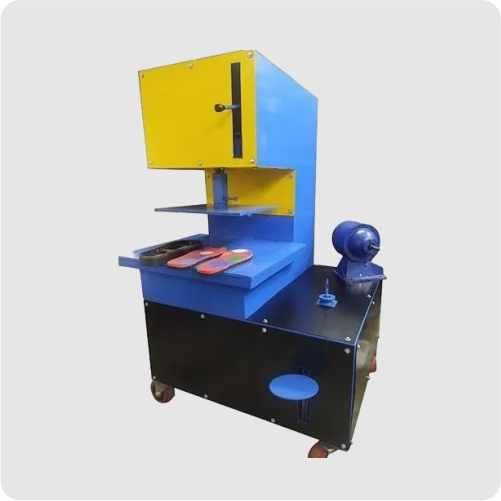
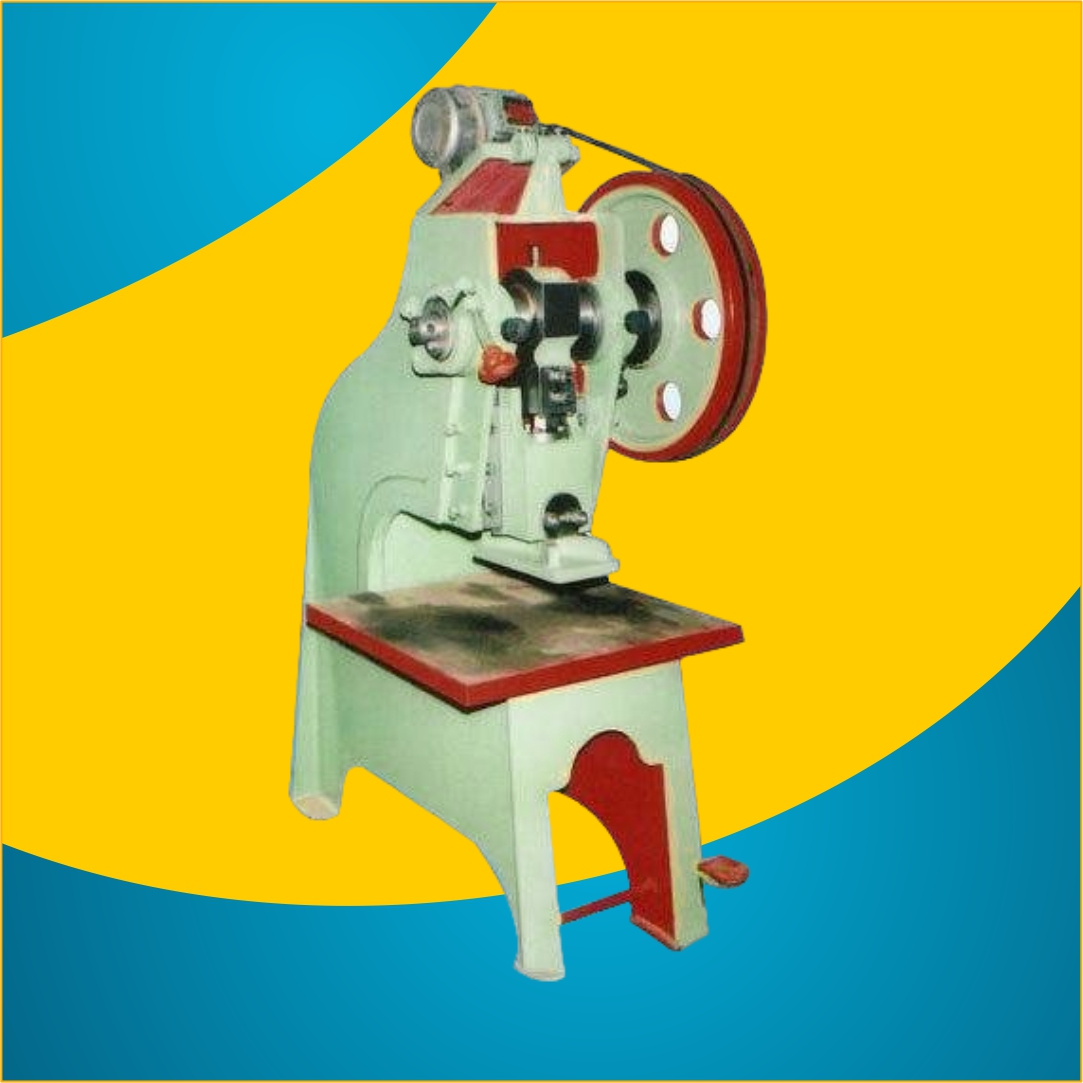
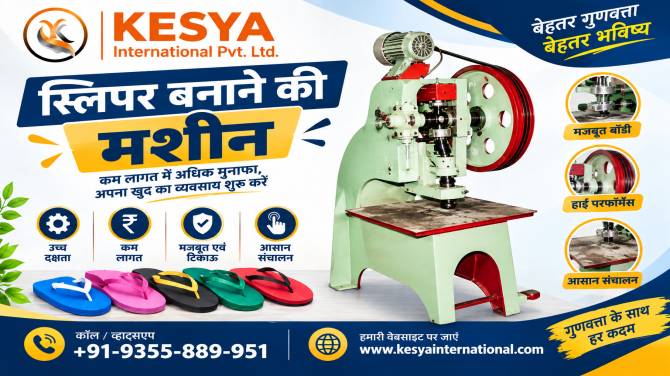
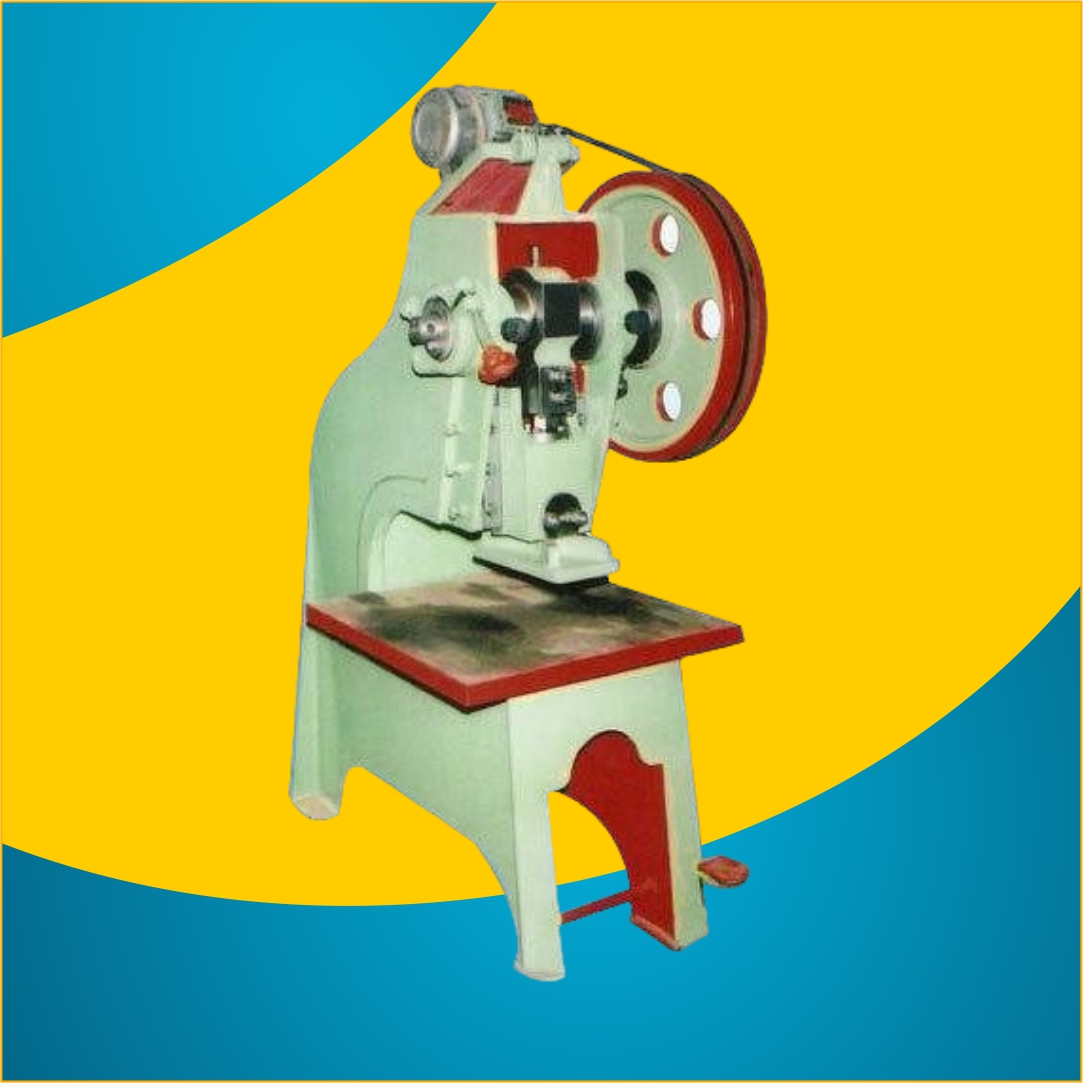
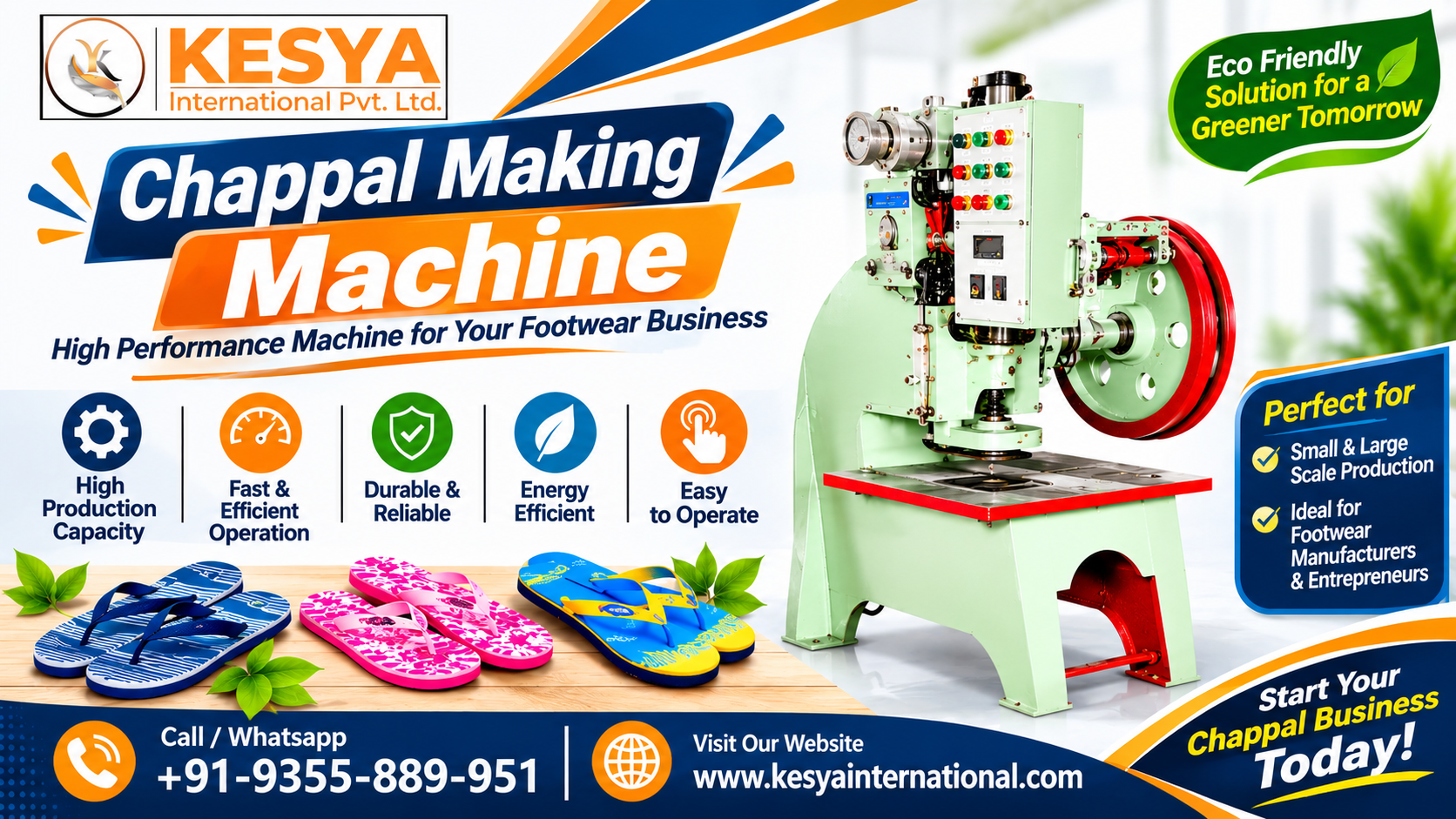
Chappal Making Machine for Modern Manufacturing Requirements
The demand for everyday footwear creates opportunities for manufacturers across India's footwear market. Chappals are available in different styles, sizes, colours and material combinations, making them suitable for various customer segments. Retailers, wholesalers and footwear distributors require products that match their customers' preferences and price expectations.
For entrepreneurs planning to enter this industry, a suitable Chappal Making Machine is an important part of the manufacturing setup. The right equipment can help businesses perform specific production operations and organise their manufacturing workflow according to their requirements.
Kesya International offers machinery solutions for businesses exploring chappal manufacturing. Buyers can evaluate machine configurations, understand technical specifications and discuss their production needs before selecting equipment.
What Is the Role of a Chappal Making Machine?
A Chappal Making Machine is used to perform selected operations in the production of chappals. Depending on its design, it may support cutting, shaping, punching or other material-processing functions.
A complete manufacturing unit may involve several stages and different types of equipment. The machinery requirement depends on the product design, manufacturing process and expected production volume.
Understanding the machine's actual functions is important because not every model performs all manufacturing operations.
Types of Chappal Making Machines for Different Businesses
Businesses can select machinery according to their production scale and investment plans.
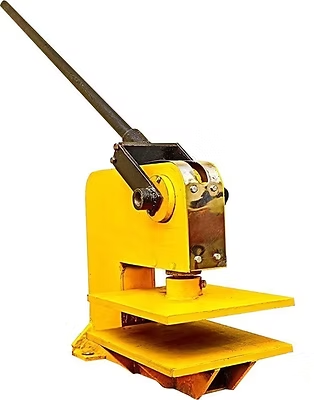
Manual Chappal Making Machine
Manual machines may be suitable for small workshops and entrepreneurs beginning with limited production requirements. These machines generally require greater operator involvement.
Semi Automatic Chappal Making Machine
Semi-automatic equipment may support selected machine-assisted operations while requiring operators to manage other stages. This option can be evaluated by businesses seeking a balance between manual work and automation.
Automatic Chappal Making Machine
Automatic configurations may be considered for businesses planning a more automated manufacturing arrangement. Buyers should verify the functions, operating requirements and actual production capacity of the specific model.
What Should You Know About Chappal Manufacturing Materials?
Raw material selection is an important part of manufacturing. The materials used depend on the design, intended quality and construction of the finished chappal.
Commonly considered components include suitable footwear sheets, sole materials, straps and other compatible parts. Manufacturers should check the material thickness, flexibility and compatibility with the selected machine.
Before purchasing machinery, request information about supported materials and any additional tooling required for processing.
Chappal Manufacturing Process: From Raw Material to Finished Product
The manufacturing process may vary according to the chappal design and the machines used. A typical production arrangement may involve raw material preparation, cutting, shaping, punching, component fitting and finishing.
After assembly, the products should be inspected for correct dimensions, appearance and overall quality. Finished chappals can then be sorted according to size and design before packaging.
An organised production workflow can help manufacturers monitor material usage, identify defects and manage production activities.
How to Select the Right Chappal Making Machine Supplier?
Choosing a supplier is an important decision because machinery must match the business's actual manufacturing requirements.
Before finalising a supplier, consider:
Availability of detailed machine specifications.
Supported chappal designs and dimensions.
Compatible raw materials and thickness ranges.
Machine operating method and automation level.
Production capacity and operating conditions.
Power requirements and installation arrangements.
Availability of dies, accessories and spare parts.
Maintenance requirements and technical support terms.
Clear quotation, delivery and commercial conditions.
Buyers should request a demonstration or technical explanation wherever possible. Comparing suppliers on these factors can help them make an informed purchase.
Chappal Making Machine Price and Investment Planning
The price of a Chappal Making Machine in India depends on the model, operating system, features, production capacity and included accessories. Additional equipment, dies and tooling may increase the overall setup cost.
Entrepreneurs should also consider expenses beyond machinery, including raw materials, workspace, labour, electricity, packaging, transportation and working capital.
A detailed investment calculation helps businesses understand their financial requirements before beginning commercial production. Ask the supplier for a quotation that clearly identifies the machine configuration and included items.
How to Develop a Chappal Manufacturing Business in India?
A chappal manufacturing business should begin with market research. Study local customer preferences and identify the designs, sizes and price categories that have demand in your target market.
Potential sales channels include footwear shops, wholesalers, distributors and bulk buyers. Manufacturers should understand the competition and decide how their products will be positioned in the market.
Production planning is equally important. Businesses should organise raw material procurement, machinery operation, quality checks and finished-product storage. Monitoring manufacturing costs can also help with pricing decisions.
Why Contact Kesya International for Chappal Machinery?
Businesses looking for chappal manufacturing equipment should discuss their requirements with a machinery supplier before making a purchase.
Kesya International provides machinery solutions for businesses exploring chappal production. Buyers can discuss their intended product designs, production expectations and machine requirements to evaluate suitable options.
Understanding the technical specifications and commercial terms before ordering helps businesses select equipment according to their manufacturing plans.
Frequently Asked Questions About Chappal Making Machines
1. Where can I find a Chappal Making Machine supplier in India?
You can contact machinery companies such as Kesya International to discuss chappal manufacturing requirements and enquire about suitable equipment.
2. Which Chappal Making Machine is suitable for commercial production?
The right machine depends on the product design, production target, material requirements and investment capacity of the business.
3. What is the price of a Chappal Making Machine in India?
The price varies according to machine configuration, features, automation and accessories. Request a model-specific quotation from the supplier.
4. Can beginners start a chappal manufacturing business?
Yes, beginners can explore this business after researching market demand, estimating the investment and selecting suitable machinery.
5. What are the different types of chappal making machines?
Manual, semi-automatic and automatic configurations are available for different production requirements. Their actual features depend on the individual model.
6. What materials are used in chappal manufacturing?
Suitable footwear sheets, sole materials, straps and other compatible components may be used according to the product design.
7. Can one machine manufacture multiple chappal sizes?
Some machine models may support multiple sizes through compatible dies or adjustments. Confirm the supported dimensions with the supplier.
8. How can I check the quality of a chappal making machine?
Review its specifications, construction, working process and material compatibility. A demonstration can help you understand its operation.
9. Is an automatic chappal making machine suitable for small businesses?
It depends on the business's investment capacity and production requirements. Compare the machine's capabilities with your expected output before purchasing.
10. What is required to set up a chappal manufacturing unit?
A manufacturing unit may require suitable machinery, compatible raw materials, workspace, electrical arrangements, labour and packaging facilities.
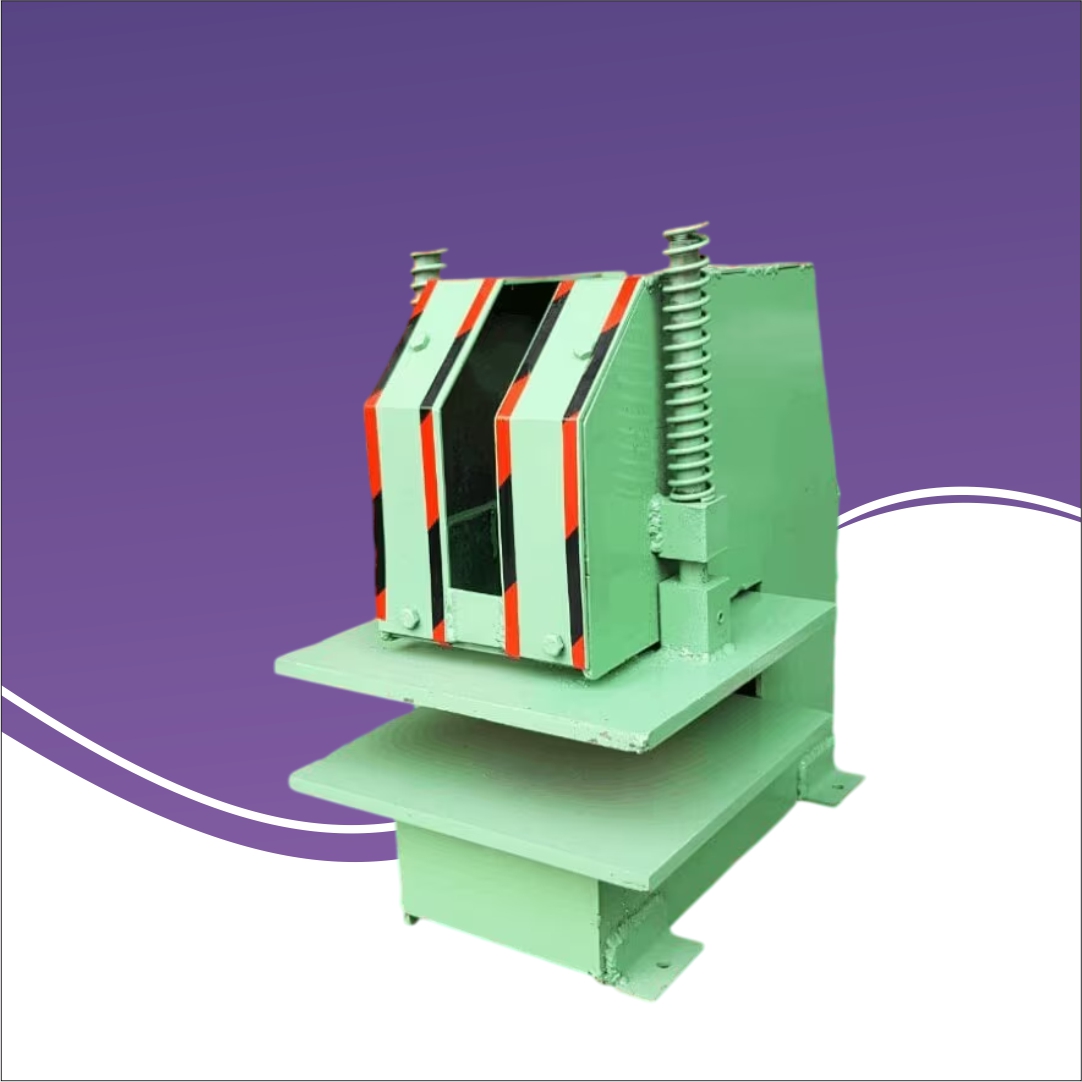
11. Does chappal manufacturing require separate punching equipment?
Some production arrangements require separate punching equipment, while others may include specific punching functions. Confirm the selected model's capabilities.
12. How much production can a chappal machine deliver?
Production capacity varies by model, product dimensions, raw material and working conditions. Ask the supplier for verified specifications.
13. How do I calculate the cost of manufacturing chappals?
Include raw material, labour, electricity, packaging, machinery maintenance and other operating expenses when calculating production costs.
14. What should I ask a chappal machine supplier?
Ask about specifications, compatible materials, production capacity, included accessories, spare parts, maintenance and commercial terms.
15. Can I manufacture chappals for wholesale markets?
Yes, businesses can plan production for wholesale supply after evaluating market demand, product quality, pricing and their ability to fulfil orders.
Kesya International – Chappal Making Machinery Solutions
Kesya International supports businesses exploring machinery solutions for chappal manufacturing. Selecting suitable equipment requires careful evaluation of product designs, material compatibility, machine functions and production requirements.
Whether you are planning a new manufacturing unit or expanding an existing business, understanding the machine specifications and total investment can help you make a more informed decision.
More info: Automatic & Manual Slipper Making Machine Manufacturer | Chappal Making Machine
Buy Now
Chappal Making Machine Supplier in India
Chappal Machine Supplier
Chappal Making Machine
Chappal Manufacturing Machine
Chappal Machine Manufacturer
Chappal Machine Company
Chappal Production Machinery
Chappal Making Machine Price
Chappal Manufacturing Business
Manual Chappal Making Machine
Semi Automatic Chappal Machine
Automatic Chappal Making Machine
Chappal Manufacturing Process
Chappal Raw Materials
Chappal Production Equipment
Chappal Manufacturing Unit India
Kesya International