
- kesyaipl2@gmail.com
- Rajdhani Park, Mubarkpur, Delhi, 110041, India
Blogs

Market Analysis for Agarbatti Production Line
Price: ₹36007
Market Analysis for Agarbatti Making Industry
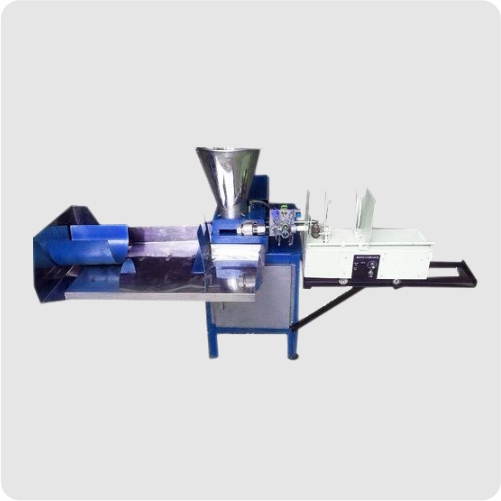
The agarbatti making machine has become an essential piece of equipment in the rapidly growing incense manufacturing industry across India.
Key Aspects and Features
Building a strong distribution network is crucial for the success of an agarbatti manufacturing business. This includes establishing relationships with wholesalers, retailers, puja supply stores, temples, and online platforms. Many successful manufacturers use a combination of direct sales and distribution channels to maximize market coverage. Trade fairs and industry exhibitions provide excellent opportunities to connect with potential buyers and distributors.
The return on investment for agarbatti making machines is typically attractive, with most manufacturers reporting payback periods of 8 to 14 months. The key factors that influence ROI include production volume, raw material costs, selling prices, and operational efficiency. Manufacturers who maintain high machine utilization rates and minimize material waste achieve the best returns on their investment.
Business and Market Overview
Training operators to efficiently run agarbatti making machines is essential for achieving consistent production quality and maximizing output. Training should cover machine operation, basic maintenance, quality inspection, safety procedures, and troubleshooting. Many machine manufacturers offer comprehensive training programs as part of the purchase agreement, and ongoing skill development helps maintain high production standards.
The production capacity of agarbatti making machines varies widely depending on the machine type and configuration. Manual machines can produce 200 to 500 sticks per hour, while semi automatic models achieve 500 to 1500 sticks per hour. Fully automatic production lines can produce up to 3000 or more sticks per hour, making them ideal for large scale manufacturers. Choosing the right production capacity based on market demand and investment budget is essential for business success.
Production and Operations
The installation and setup of an agarbatti making machine requires careful planning and preparation. Adequate space, proper electrical supply, suitable ventilation, and appropriate safety measures are essential requirements. Most machine manufacturers provide installation support and initial training to ensure that the machine operates optimally from the start. Following the manufacturer guidelines for installation and operation helps maximize machine life and performance.
Conclusion
Starting an agarbatti making business requires careful planning, the right investment in machinery, and a commitment to quality. With proper execution and dedication, an agarbatti manufacturing venture can provide sustainable income and long term business growth for years to come.
Buy Now
incense making machine
agarbatti making machine supplier
agarbatti making business
agarbatti machine India
masala agarbatti machine
agarbatti making machine price
dhoop stick machine
agarbatti production capacity
agarbatti manufacturing
agarbatti bamboo stick machine
agarbatti stick making machine
agarbatti business
agarbatti machine cost
.jfif)