
- kesyaipl2@gmail.com
- Rajdhani Park, Mubarkpur, Delhi, 110041, India
Blogs

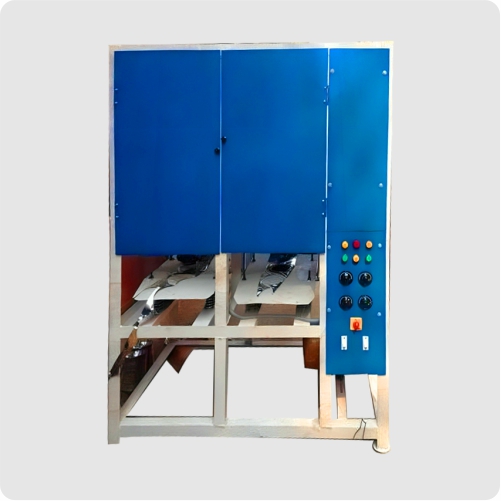
Paper Plate Making Machine | Manufacturer & Supplier in India – Kesya International
Price: ₹68000
Paper Plate Making Machine | Manufacturer & Supplier in India – Kesya International
Introduction
The demand for disposable paper plates has created business opportunities for entrepreneurs interested in the paper product manufacturing industry. Paper plates are widely used in restaurants, food stalls, catering services, street food businesses, parties, religious events and other occasions where convenient disposable serving products are required.
Starting a paper plate manufacturing business requires suitable machinery, quality raw materials and proper production planning. A Paper Plate Making Machine is an essential part of this setup because it helps convert paper sheets or suitable paper blanks into finished plates through a forming process.
Kesya International is a company entrepreneurs can consider when researching paper plate manufacturing machinery and comparing suppliers in India. Selecting suitable equipment according to production requirements is an important step towards establishing an organised manufacturing unit.
Understanding the Paper Plate Manufacturing Business
Paper plate manufacturing is a business opportunity that can serve different customer segments. Restaurants, sweet shops, caterers, food vendors, event organisers and wholesalers may require disposable plates in different sizes and designs.
Before starting production, entrepreneurs should study the local market and understand which plate sizes and product categories have demand. Some buyers may prefer small plates for snacks, while others may require larger plates for meals and catering services.
Market research can help manufacturers decide which products to introduce first. It can also provide information about competitor pricing, packaging preferences and potential wholesale customers.
A clear understanding of the target market helps businesses plan production according to realistic sales opportunities.
What Is a Paper Plate Making Machine?
A Paper Plate Making Machine is equipment used to manufacture disposable plates from suitable paper material. The machine applies forming pressure through its moulding arrangement to give the paper the required plate shape.
Different machines may support different plate sizes, mould configurations and operating methods. Depending on the equipment, production may involve manual assistance, semi-automatic operation or a higher level of automation.
The right machine should be selected according to the manufacturer's actual production requirements, available workspace, investment budget and intended product range.
Before purchasing, buyers should understand the machine's specifications and confirm which materials and moulds are compatible with it.
Types of Paper Plate Making Machines
Paper plate manufacturing equipment is available in different configurations to suit different business requirements.
Manual Paper Plate Making Machine
Manual machines may be considered by entrepreneurs planning a small manufacturing setup. These machines generally require more direct operator involvement during production.
Semi-Automatic Paper Plate Making Machine
Semi-automatic equipment combines machine-assisted forming with certain manual activities. It may be suitable for businesses looking for a production arrangement between manual and fully automated operations.
Fully Automatic Paper Plate Making Machine
Fully automatic machines are designed to automate more stages of the manufacturing process, depending on their configuration. Businesses considering this option should evaluate production specifications, operating requirements and investment costs.
The selection should depend on actual production needs rather than the machine category alone.
Raw Materials Required for Paper Plate Manufacturing
Raw material selection plays an important role in the quality of finished paper plates. The material should be suitable for the intended product, forming process and application.
Commonly considered materials include:
Paper sheets or suitable paper blanks.
Coated or laminated paper, where compatible with the machine and intended use.
Packaging materials.
Other consumables required by the selected production setup.
The thickness, stiffness and quality of paper can influence the finished plate's appearance and performance. Buyers should confirm material compatibility with the machine manufacturer before purchasing raw materials in bulk.
Maintaining dependable raw material sources can help manufacturers manage production more consistently.
How the Paper Plate Manufacturing Process Works
The paper plate manufacturing process generally begins with selecting and preparing suitable paper material. The material is positioned in the machine according to its operating method.
The forming mechanism and compatible mould apply pressure to create the required plate shape. After forming, the finished plates are collected and inspected for shape, finishing and consistency.
The products are then counted, arranged and packed according to the intended pack size.
Manufacturers should follow the machine operating instructions and maintain appropriate quality checks throughout production. Proper handling of raw materials and finished plates can help reduce wastage and maintain product presentation.
Choosing the Right Machine for Your Business
Selecting the right Paper Plate Making Machine requires an understanding of business objectives and expected production requirements.
Entrepreneurs should consider the following factors before making a purchase:
Production requirements: Estimate the expected daily production and compare it with the machine's stated output under specified operating conditions.
Plate sizes: Confirm which plate sizes and mould configurations are supported.
Machine operation: Understand the operating method, operator requirements and production workflow.
Construction and maintenance: Evaluate machine construction, routine maintenance and spare-part requirements.
Workspace: Check machine dimensions and the space needed for raw material storage, production and packaging.
Investment budget: Compare machinery cost with other expenses involved in establishing the manufacturing unit.
Requesting a demonstration or operating video can help buyers understand the equipment before finalising their decision.
Paper Plate Making Machine Price in India
The Paper Plate Making Machine price in India depends on several factors, including machine type, automation level, mould configuration, production specifications, construction and additional features.
Manual, semi-automatic and fully automatic machines may have different investment requirements. Therefore, buyers should compare machines with similar specifications rather than selecting equipment based only on the lowest quoted price.
The overall investment in a paper plate manufacturing business may include machinery, moulds, raw materials, transportation, electricity, labour, packaging and working capital.
Entrepreneurs should request an updated quotation from the manufacturer and confirm what is included in the price. Any additional installation, transportation or maintenance expenses should also be discussed before purchasing.
Finding a Reliable Paper Plate Making Machine Manufacturer
Choosing a suitable manufacturer or supplier is an important step when establishing a production unit. Buyers should evaluate the equipment's specifications, operating method, construction and purchasing conditions.
When researching a Paper Plate Making Machine manufacturer in India, ask for detailed machine information and confirm the available plate sizes, mould options and production requirements.
Kesya International can be considered by entrepreneurs searching for a Paper Plate Making Machine manufacturer and supplier. Businesses looking for the best company or top company should compare available suppliers, request current quotations and verify machine specifications and purchasing terms directly before making a decision.
A careful comparison can help buyers select machinery that matches their production plans and investment capacity.
Quality Control and Packaging
Maintaining consistent product quality is important for developing relationships with wholesalers and retailers. Paper plates should be inspected for shape, edge finishing, structural consistency and overall appearance.
Manufacturers should check incoming raw materials and monitor the forming process. If defects occur, the machine settings, mould condition and material suitability should be reviewed according to the manufacturer's instructions.
Packaging also influences product presentation. Plates should be counted accurately and packed in suitable quantities to protect them during storage and transportation.
Consistent quality and professional packaging can help a manufacturer build customer confidence.
Marketing and Sales Opportunities
Paper plate manufacturers can explore different sales channels according to their production capacity and market research.
Potential customers may include restaurants, catering companies, food stalls, sweet shops, event organisers, disposable-product wholesalers and retail shops.
New manufacturers can begin by contacting local businesses and introducing their product range. Preparing a catalogue with plate sizes, photographs and packaging details can make communication with buyers easier.
Online business listings and a professional website can also improve visibility among potential customers searching for paper plate suppliers.
Building long-term relationships requires consistent product quality, transparent pricing and dependable order fulfilment.
Conclusion
The paper plate manufacturing industry offers opportunities for businesses that can manage production quality, raw material costs and customer requirements effectively. A suitable Paper Plate Making Machine can help establish an organised manufacturing process and support the production of disposable paper plates in different sizes.
Kesya International is an option entrepreneurs can consider when researching paper plate manufacturing machinery and suppliers in India. Before purchasing, buyers should compare machine specifications, mould compatibility, pricing, operating requirements and purchasing conditions to select the right equipment for their business.
Frequently Asked Questions
1. What is a Paper Plate Making Machine used for?
It is used to manufacture disposable paper plates by forming suitable paper material into the required plate shape.
2. Which raw materials are used for paper plate manufacturing?
Suitable paper sheets or blanks are commonly used. The exact material depends on the machine, mould and intended plate application.
3. What types of Paper Plate Making Machines are available?
Manual, semi-automatic and fully automatic configurations are available, depending on manufacturer offerings.
4. What is the Paper Plate Making Machine price in India?
The price depends on machine specifications, automation level, mould configuration, features and supplier terms. Buyers should request an updated quotation.
5. How do I choose the best paper plate machine manufacturer?
Compare machine specifications, production requirements, mould options, operating details, maintenance requirements and purchasing conditions.
6. Can I start a paper plate manufacturing business on a small scale?
Yes, entrepreneurs can explore a smaller setup after researching local demand, investment requirements, raw material availability and suitable machinery.
7. Why consider Kesya International for paper plate machinery?
Kesya International can be included in supplier research. Buyers should directly verify current machine options, specifications, prices and purchasing terms.
Visit : Fully Automatic Paper Plate Making Machine Manufacturer Delhi
Buy Now
Paper Plate Making Machine
Paper Plate Machine Manufacturer
Paper Plate Machine Supplier India
Paper Plate Machine Manufacture
Disposable Paper Plate Making Machine
Automatic Paper Plate Making Machine
Fully Automatic Paper Plate Machine
Semi Automatic Paper Plate Machine
Manual Paper Plate Making Machine
Paper Plate Manufacturing Machine India
Paper Plate Machine Price
Paper Plate Manufacturing Business
Disposable Plate Manufacturing
Paper Plate Production Equipment
Paper Plate Raw Materials
Paper Plate Mould
Paper Plate Wholesale Business
Paper Plate Supplier India
Kesya International
Best Company for Paper Plate Making Machine
Top Company for Paper Plate Machine.

.jfif)
