- kesyaipl2@gmail.com
- Rajdhani Park, Mubarkpur, Delhi, 110041, India
Blogs
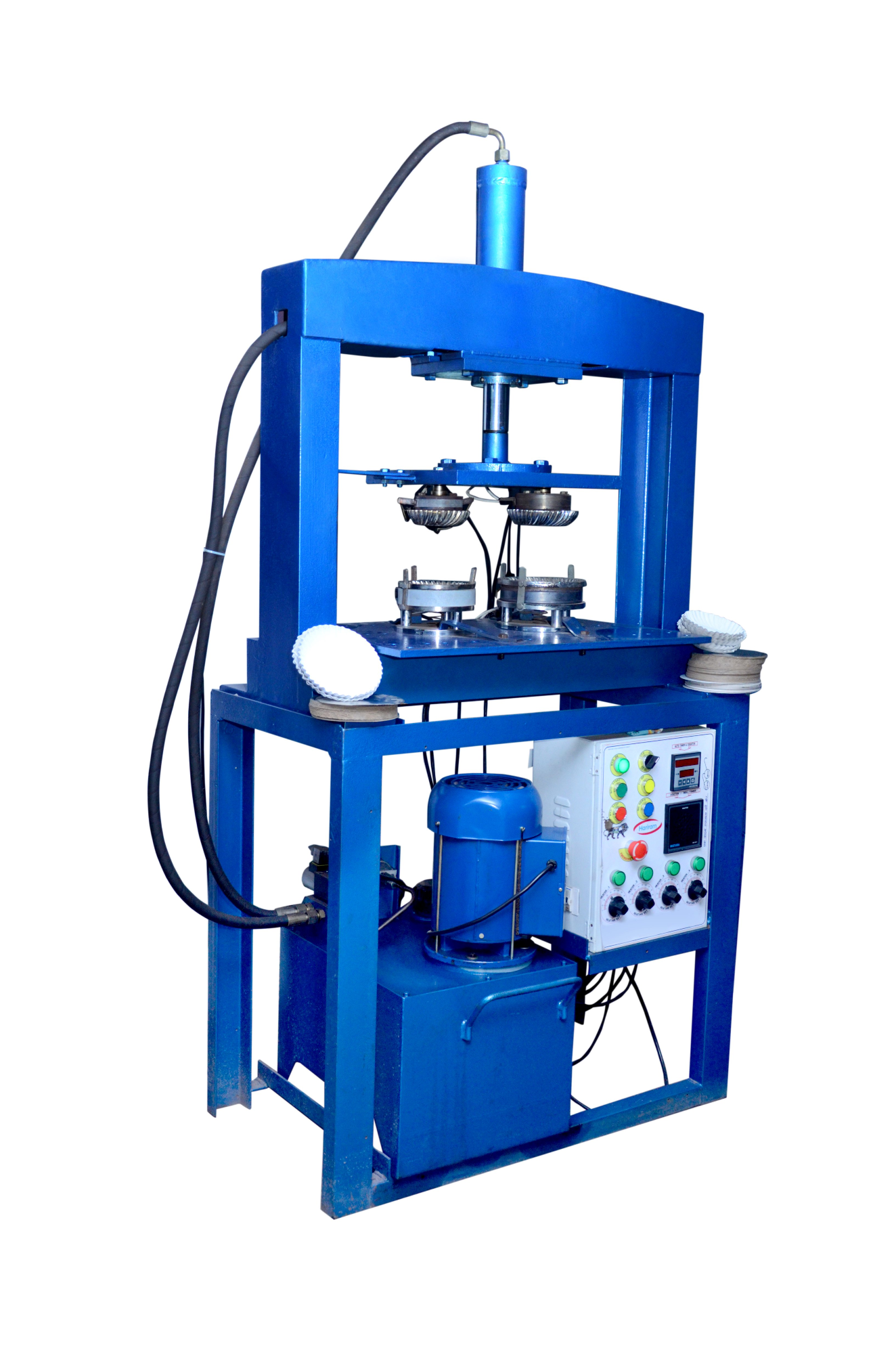
Paper Plate Making Machine | Start Your Disposable Plate Manufacturing Business in India – Kesya International
Price: ₹70000
Paper Plate Manufacturing Business Opportunities in India
Are you planning to start a paper plate manufacturing business? Are you searching for a machine that can manufacture disposable plates for restaurants, catering companies, food stalls, and wholesale markets? If so, understanding the machinery and business requirements before investing can help you make better decisions.
The demand for disposable serving products creates opportunities for small manufacturers as well as established industrial businesses. Paper plates are used at food outlets, social gatherings, functions, catering events, and commercial food-service establishments. Different customers require different plate dimensions, quantities, and product qualities.
A suitable Paper Plate Making Machine helps manufacturers produce plates according to their target market. However, successful manufacturing also depends on raw material sourcing, machine operation, production planning, cost management, and customer development.
Kesya International offers machinery solutions for businesses exploring paper plate manufacturing opportunities in India.
1. How to Start a Paper Plate Manufacturing Business in India?
Starting a paper plate manufacturing unit requires proper planning before purchasing machinery.
First, research the demand for disposable plates in your target area. Speak with wholesalers, restaurants, caterers, food stalls, and disposable product dealers to understand which plate sizes and designs are regularly purchased.
Next, decide your production target and investment budget. Based on these requirements, compare suitable manual, semi-automatic, and fully automatic machines.
You should also arrange a suitable workspace, reliable raw material suppliers, electrical facilities, packaging materials, and working capital.
A clear business plan can help you avoid unnecessary expenses and organise your manufacturing operations.
2. Which Paper Plate Making Machine Is Best for Starting a New Business?
The best machine depends on your investment capacity, production expectations, and customer requirements.
Manual machines may be considered for businesses with limited production requirements. Semi-automatic machines offer a combination of mechanical assistance and operator involvement. Fully automatic machines may be appropriate for businesses planning higher production volumes.
Before purchasing, compare the operating mechanism, machine dimensions, electrical requirements, mould compatibility, and practical production capacity.
A machine that matches your business needs is generally a better investment than equipment selected only because it has a higher automation level.
3. What Is the Minimum Investment Required for a Paper Plate Business?
There is no single investment amount suitable for every paper plate manufacturing business.
The total budget depends on the machine configuration, moulds, workspace, raw materials, electricity arrangements, labour, packaging, and transportation.
Entrepreneurs should also maintain sufficient working capital for purchasing materials and managing regular business expenses.
Before investing, prepare an estimated monthly expense sheet and calculate how many plates you need to sell to cover your operating costs.
4. What Is the Paper Plate Making Machine Price in India?
The Paper Plate Making Machine price in India varies according to machine specifications, automation, construction, mould requirements, and production capabilities.
Buyers should compare quotations from manufacturers and suppliers based on the same technical requirements.
Ask whether the quoted price includes moulds, accessories, installation, transportation, and applicable warranty arrangements.
For the latest pricing, contact the supplier directly and request a quotation based on your preferred machine configuration.
5. How Much Production Can a Paper Plate Machine Give Daily?
Daily production depends on the machine's rated capacity, operating hours, plate size, raw material, mould configuration, and production conditions.
A machine's advertised capacity may differ from the actual output achieved during regular operations.
Before purchasing, ask the manufacturer for hourly and daily production estimates. Also confirm the conditions under which those figures are calculated.
Planning production according to realistic capacity helps manufacturers accept customer orders more confidently.
6. Which Raw Material Is Required to Manufacture Paper Plates?
Suitable paper-based raw materials are selected according to plate dimensions, thickness, strength, and intended application.
The material should be compatible with the selected machine and mould. Its quality affects the finished plate's appearance, stiffness, and usability.
Manufacturers should check samples before purchasing materials in bulk. They should also maintain reliable supplier relationships to ensure consistent material availability.
For food-serving applications, buyers should verify that the chosen material meets relevant food-contact requirements.
7. Which Paper Plate Sizes Sell More in the Indian Market?
The most suitable sizes depend on local customer preferences and the type of food businesses being served.
Smaller plates may be required by snack shops and sweet shops, while larger plates may be preferred by restaurants, caterers, and event organisers.
Instead of manufacturing every available size, new businesses should first identify the sizes regularly purchased by local wholesalers and retailers.
This approach can help reduce unsold inventory and make production planning easier.
8. Can I Manufacture Different Designs of Paper Plates Using One Machine?
Different plate designs may require different compatible moulds.
Whether one machine can manufacture multiple sizes or designs depends on its construction and mould arrangement.
Before ordering, share your preferred plate samples or dimensions with the manufacturer. Confirm the available mould options, changing procedure, and any additional investment required.
This is especially important for businesses planning to supply multiple customer segments.
9. Which Is More Profitable: Manual or Fully Automatic Paper Plate Machine?
Profitability depends on the total investment, production cost, selling price, machine utilisation, and customer demand.
A manual machine may require a lower initial investment but can involve more operator participation. A fully automatic machine may offer greater automation but generally needs a higher investment.
Entrepreneurs should compare the total operating cost rather than looking only at production speed.
The most suitable machine is the one that supports the business's actual sales potential and financial capacity.
10. How to Calculate Paper Plate Manufacturing Cost Per Piece?
Manufacturing cost per plate can be calculated by considering the total production expenses and the number of saleable plates produced.
Important expenses include raw material, electricity, labour, packaging, machine maintenance, transportation, and other operating costs.
For example, if your total manufacturing expenses for a production batch are ₹10,000 and you produce 20,000 saleable plates, the estimated manufacturing cost is ₹0.50 per plate.
This is only an illustrative calculation. Actual costs depend on material prices, production efficiency, and business expenses.
11. Where Can I Sell Disposable Paper Plates After Manufacturing?
Manufacturers can explore several customer categories, including:
Disposable product wholesalers and distributors.
Restaurants and food outlets.
Sweet shops and snack sellers.
Catering companies and event organisers.
Street food vendors.
Local retailers and packaging product dealers.
Building relationships with regular buyers can help manufacturers develop more predictable sales.
Businesses should also compare wholesale prices and delivery costs before accepting large orders.
12. How to Choose a Reliable Paper Plate Machine Supplier in India?
Selecting a supplier requires checking more than the machine's advertised price.
Buyers should evaluate technical specifications, machine construction, mould compatibility, production capacity, operating instructions, spare parts availability, and commercial transparency.
Ask for a detailed quotation and clarify delivery, installation, warranty, and support conditions.
Kesya International is a company buyers can consider while exploring paper plate manufacturing machinery. Customers should confirm current machine specifications and purchasing details directly with the company.
13. What Space Is Required for a Paper Plate Manufacturing Unit?
The required workspace depends on the machine's dimensions, production setup, raw material storage, finished product inventory, and packaging arrangements.
The unit should provide sufficient room for machine operation, operator movement, material handling, and safe storage.
Before finalising a workspace, obtain the machine dimensions and electrical requirements from the supplier.
Proper planning can make the manufacturing area more organised and reduce difficulties during regular production.
14. What Licences Are Required to Start a Paper Plate Manufacturing Business?
Business registration and regulatory requirements depend on the location, business structure, manufacturing activity, and applicable local rules.
Entrepreneurs should check the relevant requirements for business registration, local trade permissions, factory-related rules where applicable, GST registration, and pollution or environmental compliance where required.
If plates are intended for food contact, applicable material and product safety requirements should also be checked.
It is advisable to consult a qualified local professional or the relevant government department before beginning commercial production.
15. How Can I Improve Paper Plate Manufacturing Quality?
Quality management should begin with raw material selection and continue throughout the manufacturing process.
Manufacturers should regularly inspect plate dimensions, edges, shape, stiffness, and overall appearance.
Machine settings should be maintained according to the manufacturer's instructions. Operators should also monitor material handling and mould conditions.
Keeping production records and checking rejected products can help identify recurring problems and improve consistency.
16. Why Choose Kesya International for Paper Plate Making Machinery?
Finding suitable machinery is an important step when establishing a disposable plate manufacturing business.
Kesya International offers machinery solutions for buyers exploring industrial manufacturing requirements. Businesses planning to purchase a Paper Plate Making Machine can discuss their expected production volume, preferred plate dimensions, automation requirements, and investment budget.
Before placing an order, customers should confirm current machine availability, technical specifications, mould options, pricing, delivery conditions, and applicable support arrangements.
17. Is Paper Plate Manufacturing a Good Business Opportunity in 2026?
Paper plate manufacturing can be considered by entrepreneurs looking for opportunities in the disposable food-serving products market.
However, business success depends on local demand, raw material costs, competition, production efficiency, pricing, and distribution.
In 2026, entrepreneurs should also pay attention to applicable environmental regulations and customer preferences for compliant disposable products.
Researching the market and developing regular wholesale customers before expanding production can help businesses make more informed decisions.
Conclusion
A paper plate manufacturing business requires suitable machinery, consistent raw material supply, careful investment planning, and a dependable customer network. Selecting the right Paper Plate Making Machine can help manufacturers organise production according to their commercial requirements.
Kesya International can be considered by entrepreneurs searching for paper plate manufacturing machinery in India. Before purchasing, compare machine specifications, mould options, production capacity, and complete commercial terms to choose equipment that matches your business objectives.
Call: 9355889950, 9355889951 | Visit : Fully Automatic Paper Plate Making Machine Manufacturer Delhi
Buy Now
Paper Plate Making Machine
Paper Plate Manufacturing Business
Paper Plate Machine Manufacturer
Paper Plate Machine Supplier
Paper Plate Machine Price
Disposable Paper Plate Making Machine
Paper Plate Manufacturing in India
Paper Plate Production Capacity
Paper Plate Manufacturing Cost
Paper Plate Business Investment
Manual Paper Plate Machine
Semi Automatic Paper Plate Machine
Fully Automatic Paper Plate Machine
Paper Plate Raw Material
Paper Plate Mould
Paper Plate Wholesale Business
Paper Plate Manufacture
Kesya International.