- kesyaipl2@gmail.com
- Rajdhani Park, Mubarkpur, Delhi, 110041, India
Blogs

Slipper Making Machine | Manufacturing Business Opportunities in India
Price: ₹60000
Slipper Making Machine for Footwear Manufacturing Businesses
Slippers are among the most commonly used footwear products in India. Their everyday use across homes, workplaces, markets and outdoor environments creates demand for different styles, sizes and designs. This makes slipper manufacturing an interesting business opportunity for entrepreneurs, small manufacturers and established footwear companies.
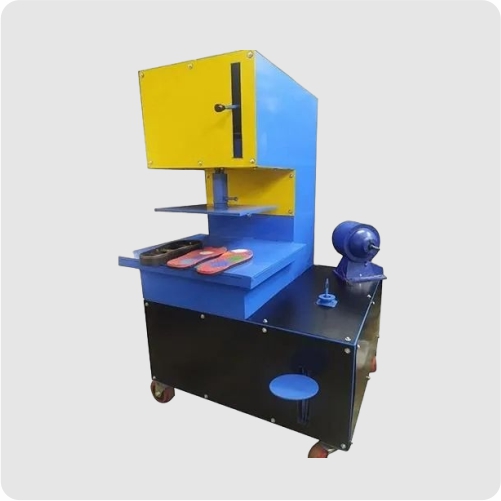
A suitable Slipper Making Machine helps manufacturers carry out specific production operations involved in making finished slippers. Depending on the machine configuration, the manufacturing process may include sole cutting, shaping, punching and other operations required to prepare footwear products.
Kesya International offers industrial machinery solutions for businesses exploring footwear manufacturing. Entrepreneurs planning to enter this sector should understand the production process, machine specifications, material requirements and investment before selecting equipment.
What Is a Slipper Making Machine?
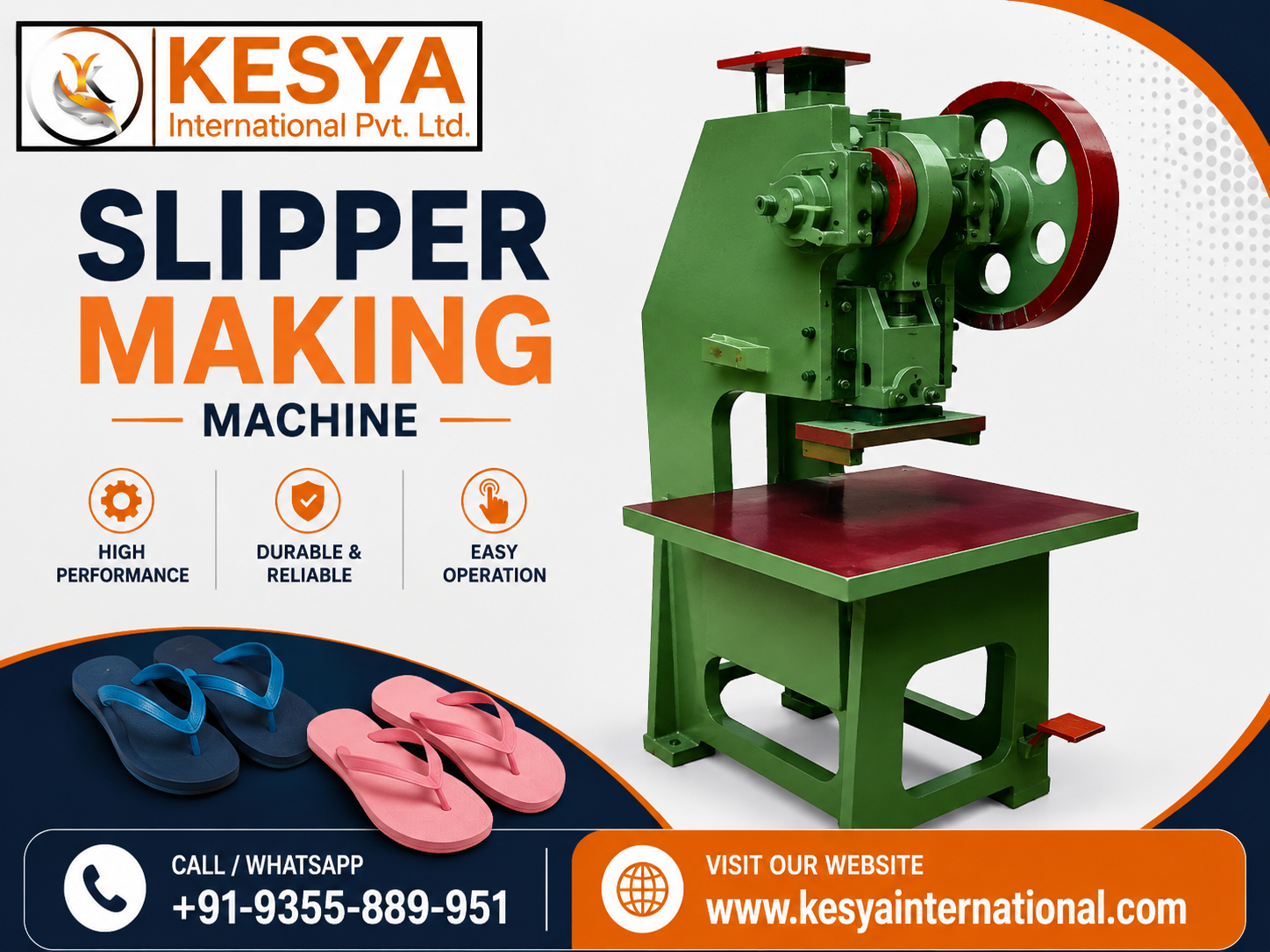
A Slipper Making Machine is industrial equipment used for performing one or more operations involved in slipper production. Different machines are designed for different manufacturing requirements, so buyers should identify their intended product and production method before purchasing.
Some machines are used for cutting slipper soles into specific shapes, while other equipment may support punching, finishing or additional manufacturing operations. A complete production setup may require more than one machine, depending on the manufacturing process.
The appropriate machinery configuration depends on the slipper design, material type, production expectations and available investment.
Types of Slippers Manufactured in India
The Indian footwear market includes several types of slippers designed for different customers and uses. Manufacturers can select their product range according to market demand and their production capabilities.
Daily-use slippers are popular because customers look for affordable and comfortable footwear. Lightweight slippers are suitable for regular indoor and outdoor use. Fashion slippers may include different colours, shapes and decorative designs.
Manufacturers may also explore different sole thicknesses, strap arrangements and size ranges. The machinery, cutting tools and materials should be selected according to the products being manufactured.
How Does a Slipper Making Machine Work?
The working process depends on the type of equipment and the operations it performs. A typical slipper manufacturing process begins with selecting suitable raw materials.
The sole material is prepared and cut according to the required shape and size. Depending on the product design, holes may be made for fitting straps. The straps are then fitted, and the finished product is checked for dimensions, appearance and quality.
Some manufacturing operations may require separate machinery. Therefore, buyers should understand which processes are included in a machine and which require additional equipment.
Important Features to Check Before Buying a Slipper Making Machine
Selecting the right machinery requires attention to technical and commercial details.
Material compatibility is important because different slippers may require different sole materials and thicknesses. Buyers should confirm which materials can be processed by the selected machine.
Machine operation should also be considered. Entrepreneurs should understand the operating method, power requirements, working space and maintenance needs.
Production capacity is another important factor. The expected output should be confirmed for the specific machine model and intended working conditions.
Buyers should also check available accessories, tooling, spare parts, installation requirements and warranty conditions before making a purchase.
Slipper Making Machine Price in India
The Slipper Making Machine price in India depends on the machine type, specifications, automation level, accessories and overall configuration. Equipment designed for individual production operations may have different pricing from a complete manufacturing setup.
Before investing, entrepreneurs should prepare a complete budget that includes machinery, raw materials, electricity, labour, transportation, packaging and workspace expenses.
Comparing quotations from suppliers can help buyers understand the available options. However, the lowest-priced machine may not always be the most suitable choice. Technical specifications, material compatibility and maintenance requirements should also be evaluated.
For an accurate quotation, buyers should share their intended slipper designs and production requirements with the supplier.
How to Start a Slipper Manufacturing Business in India
Starting a slipper manufacturing business requires proper market research and financial planning. Entrepreneurs should first identify potential customers, including footwear retailers, wholesalers, distributors and local traders.
The next step is deciding which products to manufacture. Businesses can begin by researching popular sizes, designs, colours and price segments in their target market.
After selecting the product range, entrepreneurs should choose machinery that matches their production requirements. The manufacturing workspace should have sufficient room for machines, raw materials, finished products and packaging activities.
Operators should receive proper training before regular production begins. Initial trial production can help identify issues related to cutting, dimensions, strap fitting and finishing.
A clear sales and distribution strategy is also important for developing a sustainable manufacturing business.
Why Consider Kesya International for Slipper Making Machinery?
Kesya International provides industrial machinery solutions for businesses looking to establish or expand their manufacturing operations. Buyers interested in a Slipper Making Machine can discuss their requirements and understand which equipment configuration may be suitable.
Before finalising an order, customers should confirm the available machine model, specifications, supported materials, production capacity, accessories and commercial terms. This helps ensure that the selected machinery matches the intended manufacturing process.
Frequently Asked Questions About Slipper Making Machines
Which Slipper Making Machine is suitable for beginners?
Beginners should select machinery according to their product design, budget, manufacturing space and expected production volume. A suitable setup should be easy to operate and match the intended production process.
What is the price of a Slipper Making Machine in India?
The price depends on machine specifications, functions, automation and accessories. Request a quotation from the supplier for the exact model and configuration.
Can I start a slipper manufacturing business from a small workspace?
A small setup may be possible depending on the machine dimensions, number of operations and raw material storage requirements. Workspace planning should be completed before purchasing machinery.
What raw materials are used for making slippers?
Materials depend on the product design and manufacturing requirements. Buyers should confirm material compatibility with the selected machinery.
How many slippers can a machine produce in one day?
Daily output depends on machine specifications, operating hours, product design, material handling and operator efficiency. Confirm the expected output for the particular model.
Is a Slipper Making Machine suitable for commercial production?
Yes, machinery configured for the required production volume can be used for commercial manufacturing. Buyers should check actual operating capacity before investing.
Do I need separate machines for slipper cutting and punching?
This depends on the equipment configuration. Some manufacturing processes require separate machines for cutting, punching and other operations.
Can I manufacture different slipper sizes?
Different sizes may be possible with suitable cutting tools, dies or machine arrangements. Confirm the supported size range with the supplier.
What is the difference between manual and automatic slipper machines?
Manual machines generally require more operator involvement, whereas automatic machines can perform certain operations with reduced manual effort. The exact difference depends on the machine model.
How can I find a Slipper Making Machine manufacturer in India?
Research manufacturers and suppliers, compare their specifications and request machine demonstrations and quotations. Kesya International can be approached to discuss machinery requirements.
What factors affect slipper manufacturing costs?
Raw material prices, labour, electricity, machine investment, packaging, transportation and maintenance contribute to the overall manufacturing cost.
Is slipper manufacturing profitable in India?
Profitability depends on market demand, production costs, selling prices, product quality, competition and distribution. Entrepreneurs should prepare a realistic business plan before investing.
What should I check before purchasing a slipper machine?
Check the technical specifications, supported materials, production capacity, machine demonstration, accessories, installation requirements, spare parts and warranty terms.
Can a new entrepreneur enter the slipper manufacturing industry?
Yes, new entrepreneurs can explore this sector by researching customer demand, selecting suitable machinery and preparing a practical investment and sales plan.
Why is machine quality important in slipper manufacturing?
Suitable machinery helps manufacturers maintain consistent production operations. Proper machine selection, regular maintenance and trained operators also contribute to product consistency.
More info: Automatic & Manual Slipper Making Machine Manufacturer | Chappal Making Machine
Buy Now
Slipper Making Machine
Slipper Making Machine India
Slipper Manufacturing Machine
Slipper Machine Manufacturer
Slipper Machine Supplier
Slipper Machine Price in India
Slipper Manufacturing Business
Slipper Production Machinery
Slipper Making Equipment
Slipper Manufacturing Setup
Slipper Sole Cutting Machine
Slipper Cutting Machine
Slipper Punching Machine
Commercial Slipper Manufacturing
Footwear Manufacturing Business
Footwear Machinery India
Slipper Production Equipment
Slipper Machine for Small Business
Industrial Slipper Making Machine
Kesya International