
- kesyaipl2@gmail.com
- Rajdhani Park, Mubarkpur, Delhi, 110041, India
Blogs

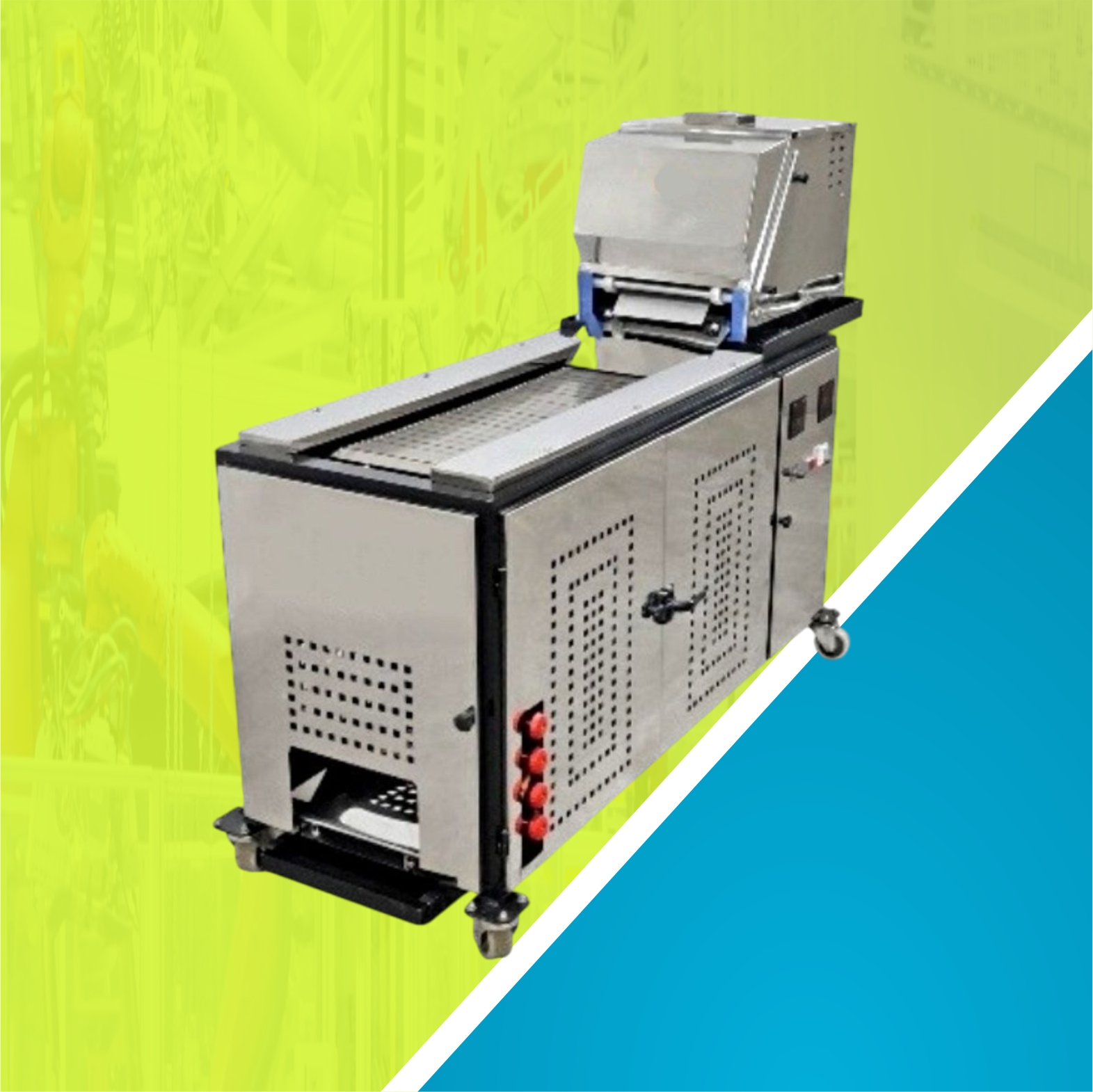
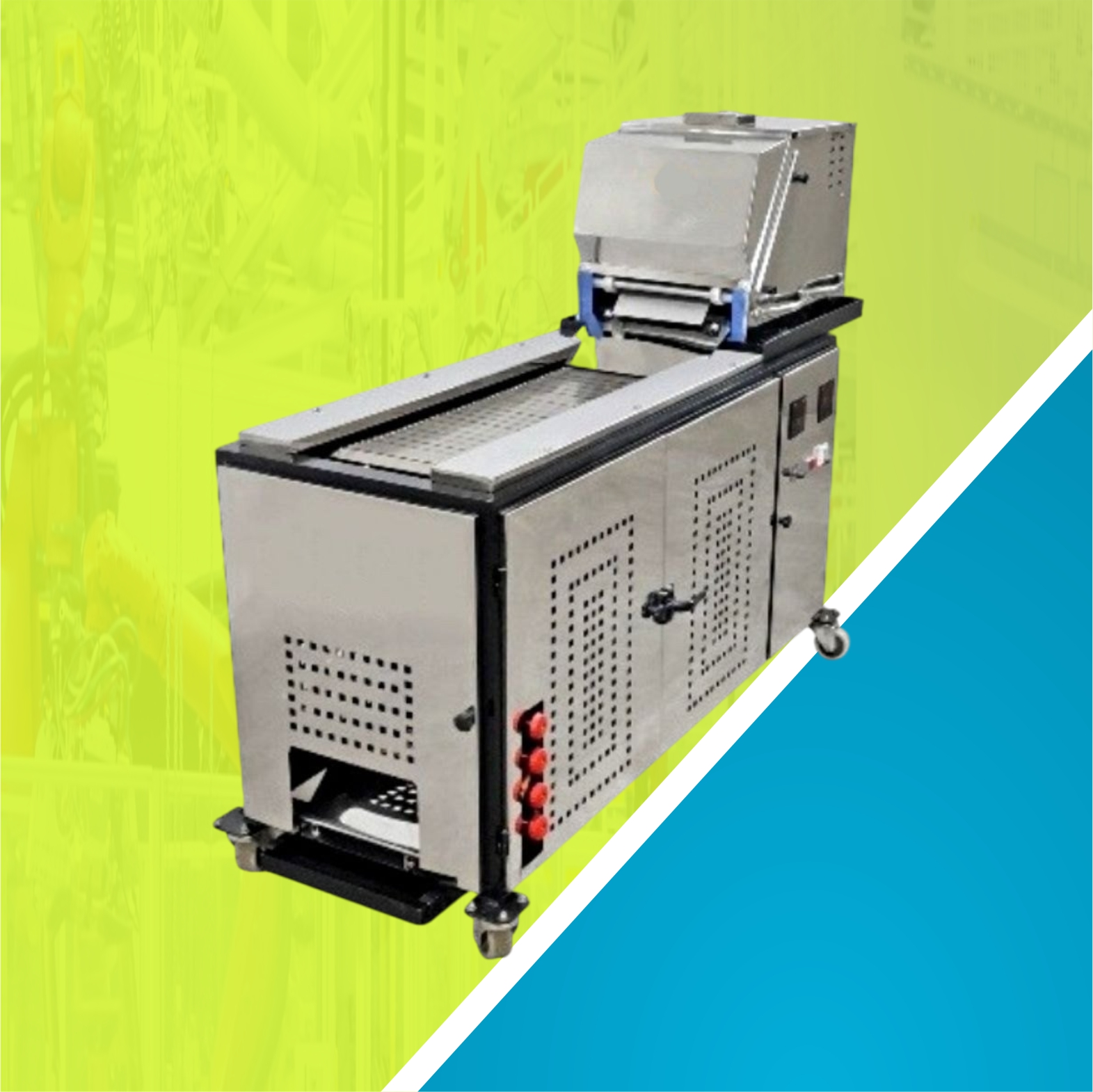
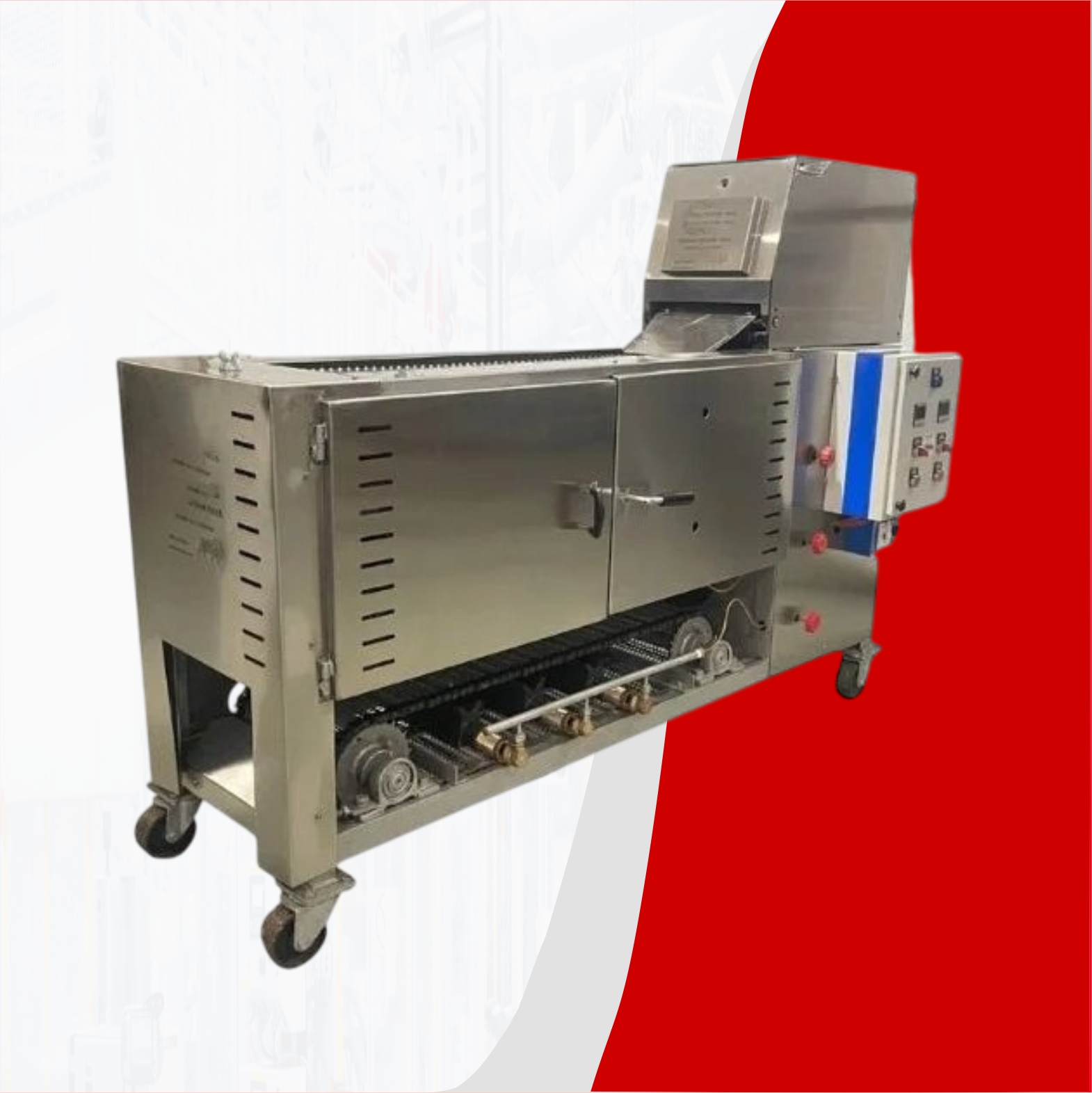
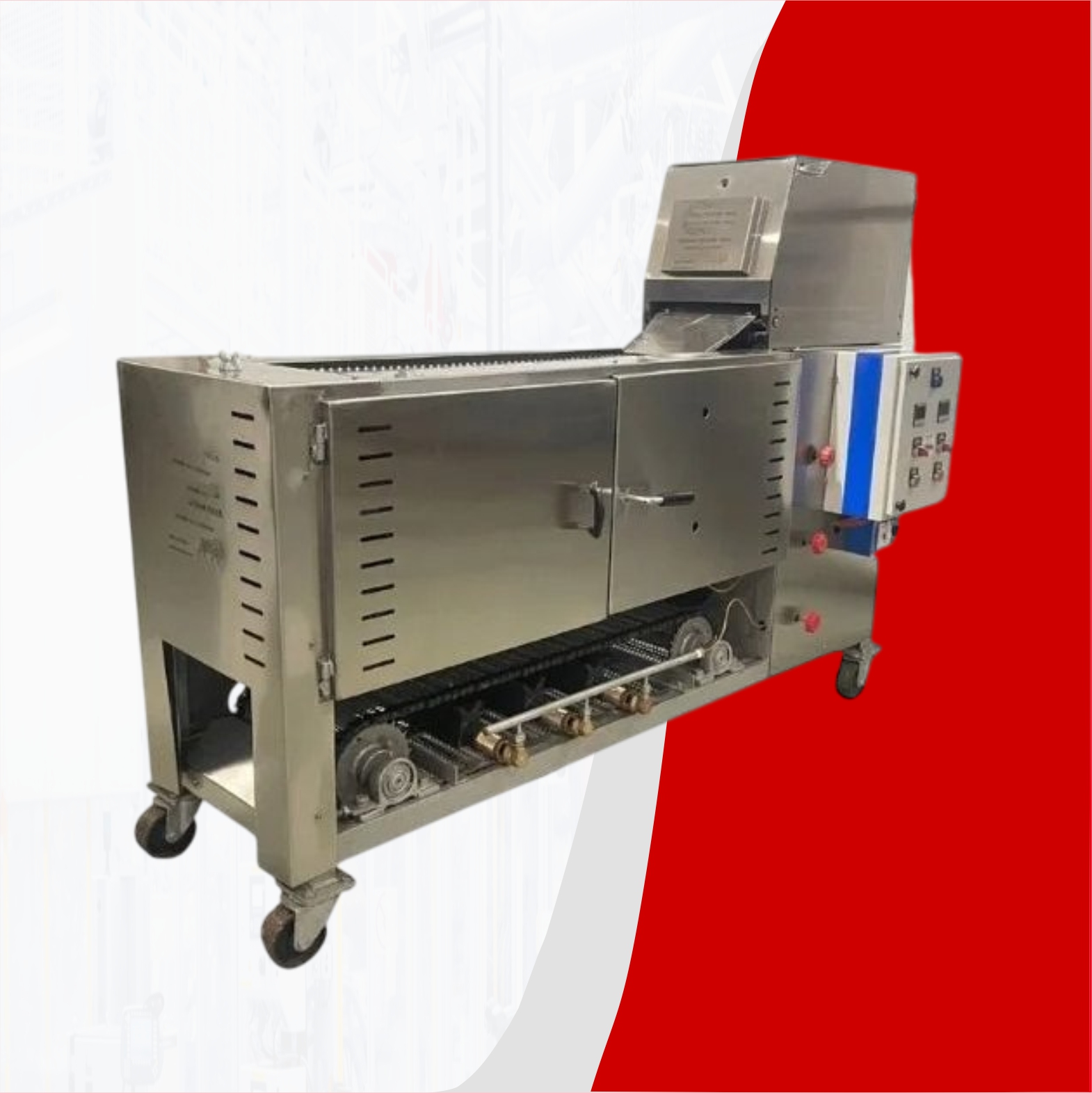
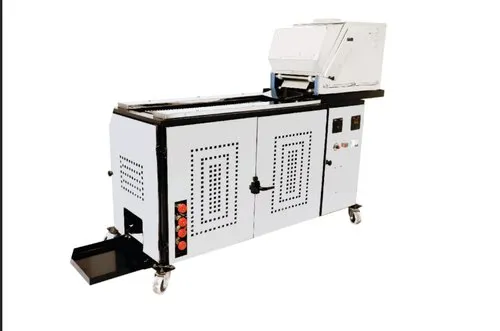
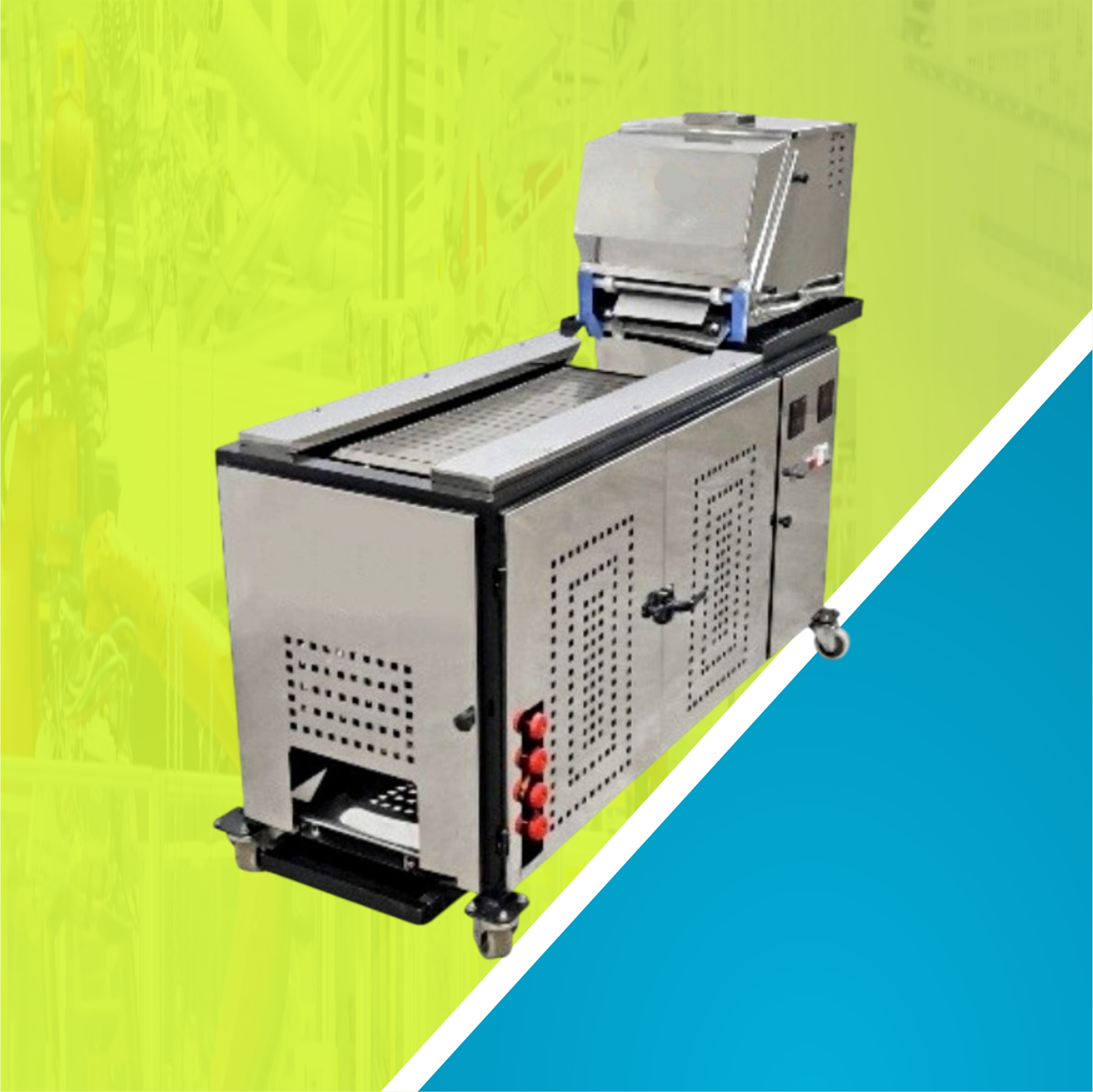
Is an Automatic Roti Making Machine Worth Buying for Your Food Business?
Price: ₹450000
Q1. Why do commercial kitchens invest in a Roti Making Machine?
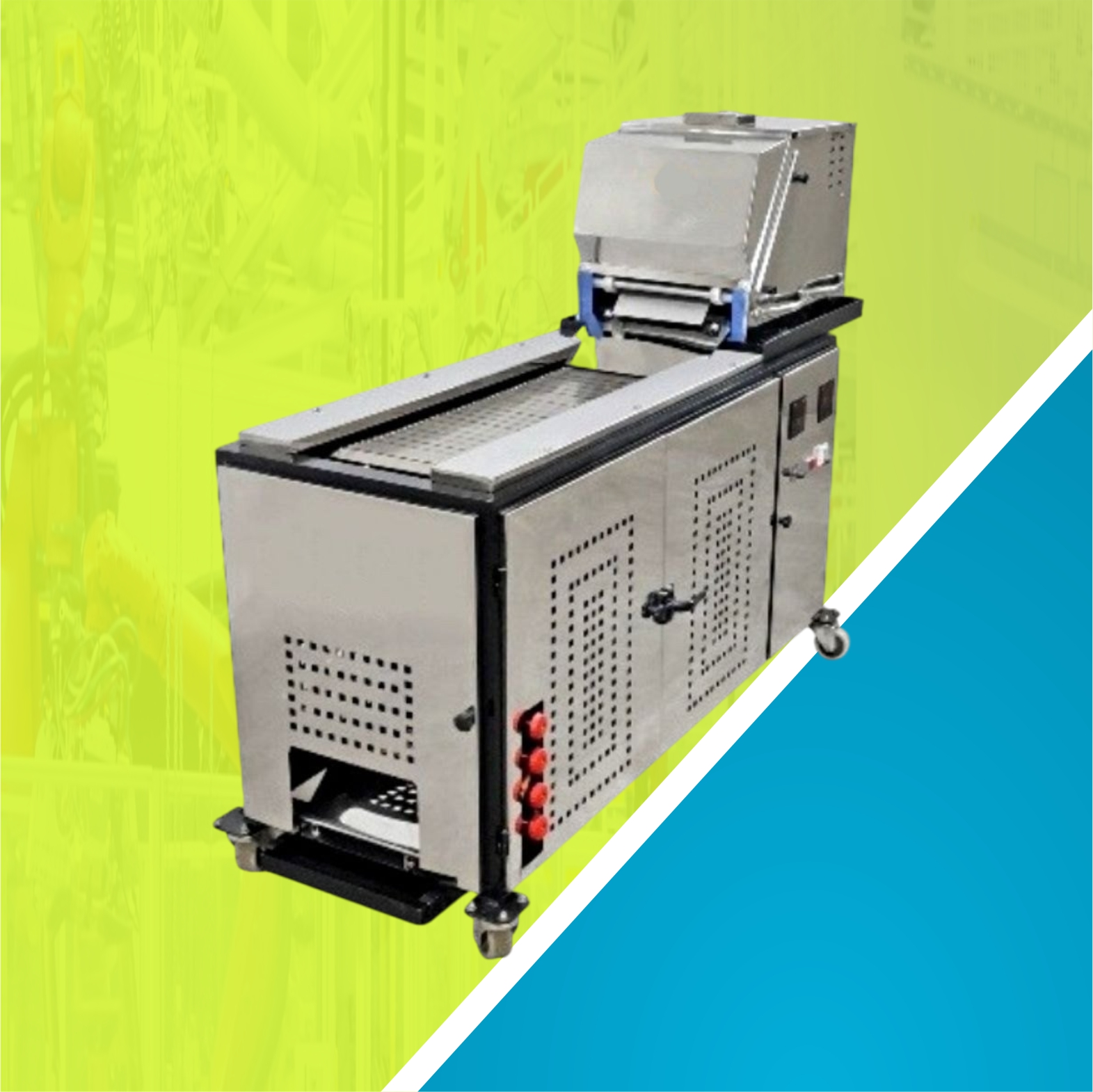
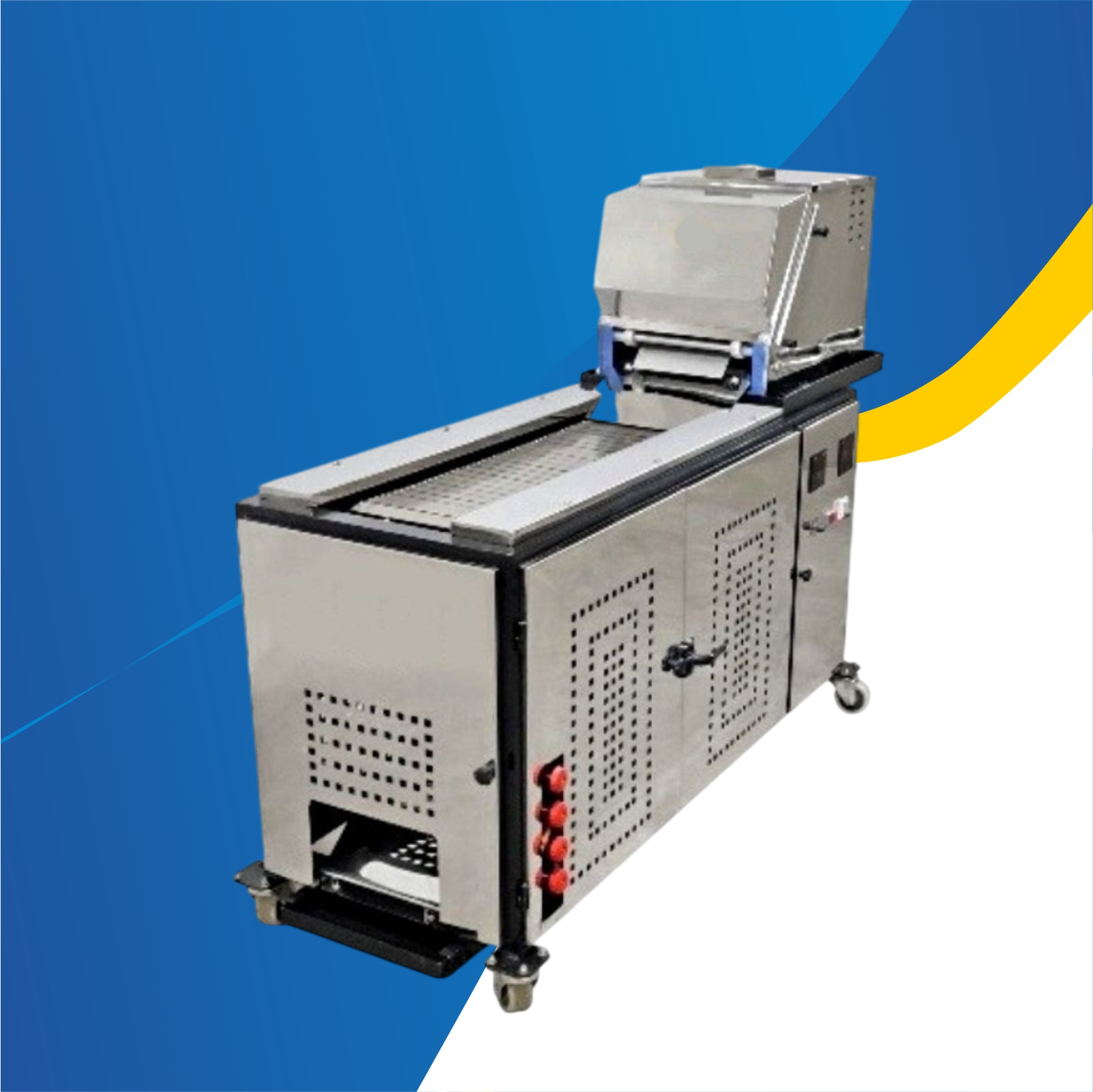
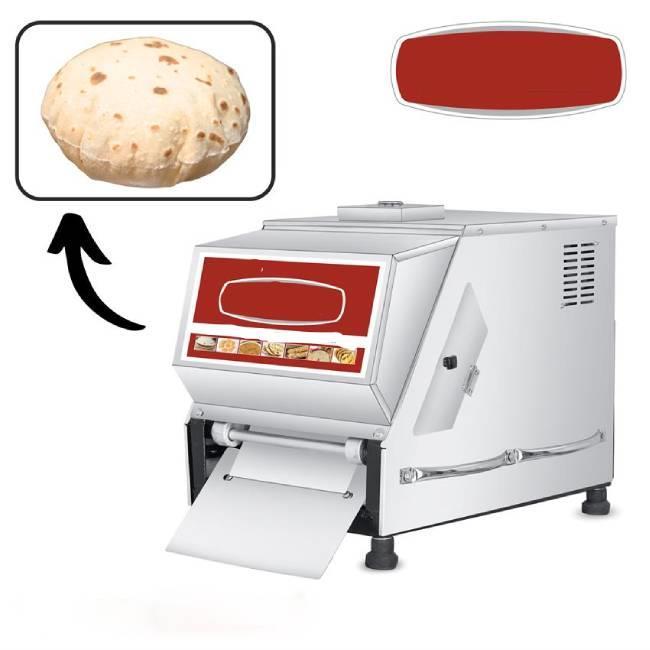
Commercial kitchens often prepare hundreds or even thousands of rotis every day. Making them by hand can be slow, labor-intensive, and inconsistent. An Automatic Roti Making Machine helps businesses speed up production while maintaining the same size, shape, and softness in every roti. This makes daily operations smoother and improves customer satisfaction.
Q2. How does a Roti Making Machine help save time?
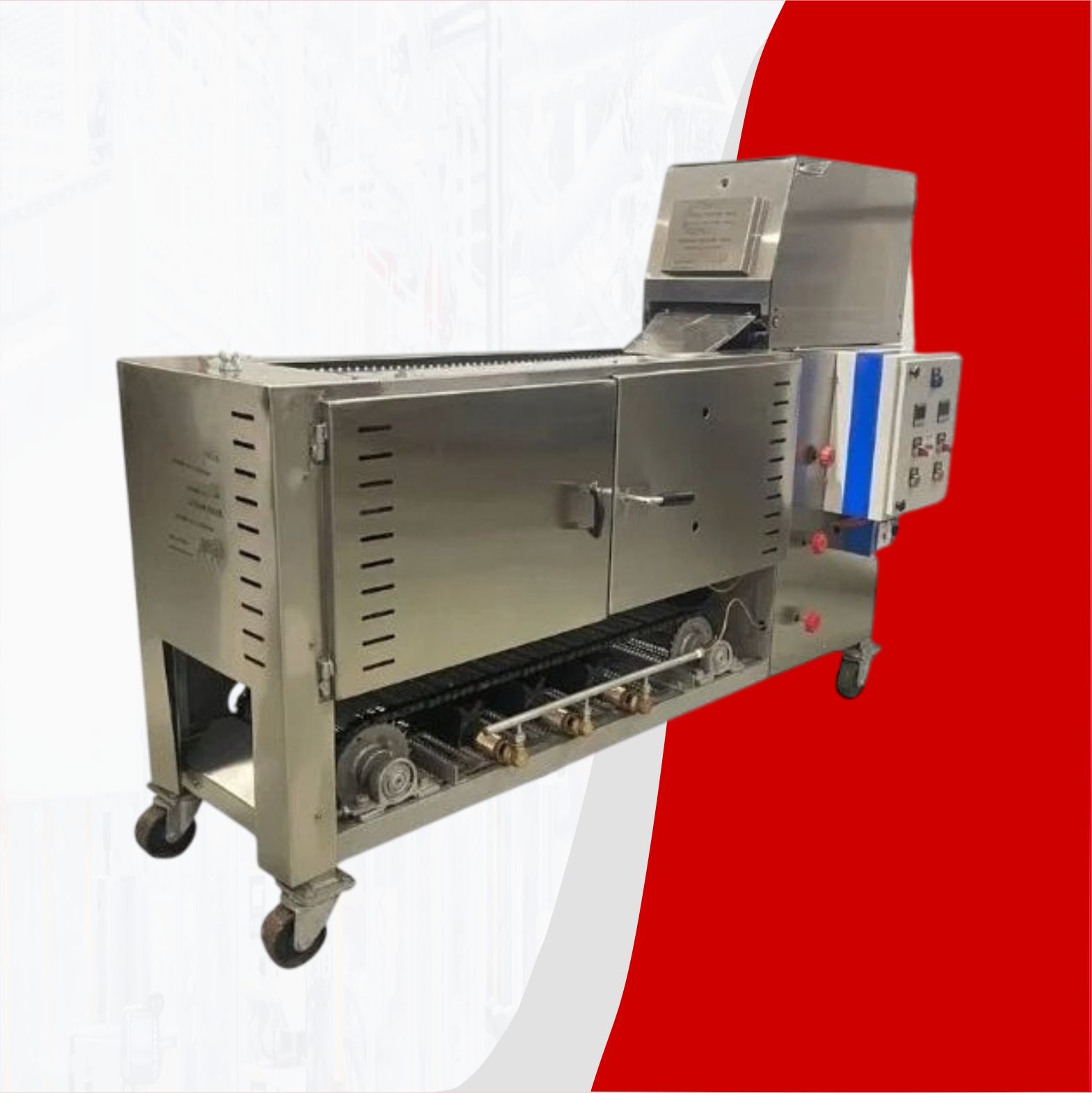
Instead of manually rolling, flattening, and cooking each roti, the machine performs these tasks automatically. Once the dough is prepared and fed into the machine, it portions, presses, and bakes the rotis continuously. This reduces preparation time and allows kitchen staff to focus on cooking other menu items or serving customers.
Q3. Does the machine help maintain food hygiene?
Yes. Hygiene is one of the biggest advantages of using a commercial Roti Making Machine. Since there is less direct human contact during production, the chances of contamination are reduced. Most machines are manufactured using food-grade stainless steel, making them easy to clean and suitable for maintaining hygienic food production standards.
Q4. Can a Roti Making Machine reduce operating costs?
Although purchasing the machine is an investment, it can help reduce long-term operating expenses. Automation lowers labor dependency, minimizes dough wastage, and improves production efficiency. Businesses can prepare more rotis in less time, leading to better productivity and improved profit margins over time.
Q5. Who should consider purchasing this machine?
A Roti Making Machine is ideal for hotels, restaurants, catering companies, cloud kitchens, industrial canteens, hospitals, educational institutions, central kitchens, NGOs, temples, and food processing units. It is also suitable for entrepreneurs planning to establish a commercial roti or chapati manufacturing business.
Q6. What should buyers check before choosing a machine?
Before purchasing, compare production capacity, power consumption, machine dimensions, ease of operation, maintenance requirements, and after-sales support. Selecting a machine that matches your daily production target ensures better performance and a higher return on investment.
Final Answer
An Automatic Roti Making Machine is a practical solution for businesses that want to improve production efficiency without compromising quality. It helps deliver fresh, soft, and uniform rotis while saving time, reducing labor costs, and supporting hygienic food preparation. For growing food businesses, it is an investment that can deliver long-term value.
Buy Now

.jpg)